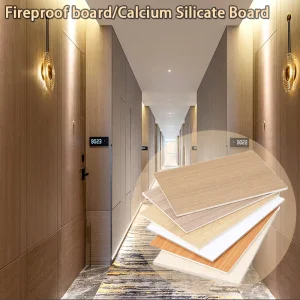
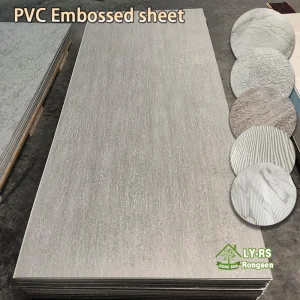
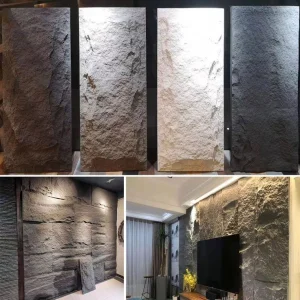
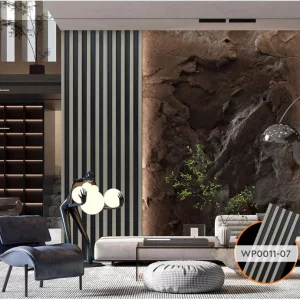
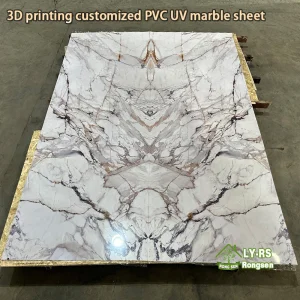
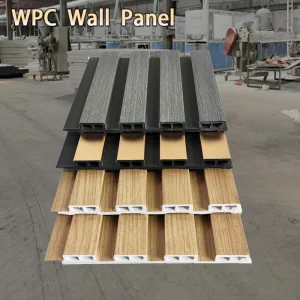
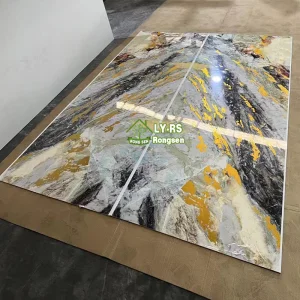
Direct from factory options designed for Australian safety standards and modern architectural specifications.
The Australian building sector operates under some of the most rigorous passive fire protection frameworks globally. Managed by the National Construction Code (NCC), structural materials must demonstrate strict compliance with Australian Standards, notably AS/NZS 1530.4 (fire-resistance tests of elements of construction) and AS/NZS 3837 (cone calorimeter tests for material group numbers).
Following high-profile urban facade developments, structural specifiers, developers, and quantity surveyors across Sydney, Melbourne, and Brisbane require clear assurance of non-combustibility. Non-combustible calcium silicate boards are increasingly replacing traditional multi-layer timber or standard gypsum setups. These systems provide critical safety integrity in fire-rated boundary walls, structural steel encapsulation, utility duct enclosures, and fire-isolated stairwells.
Additionally, with Australia’s extensive wildland-urban interface, the Bushfire Attack Level (BAL) system demands exterior claddings and sub-board structures capable of resisting up to BAL-FZ (Flame Zone) levels. High-density calcium silicate boards act as a primary thermal shield, preventing thermal bridging and structural degradation under extreme radiant temperatures.
Leveraging high-capacity industrial systems to supply certified passive fire containment materials to ocean-linked hubs.
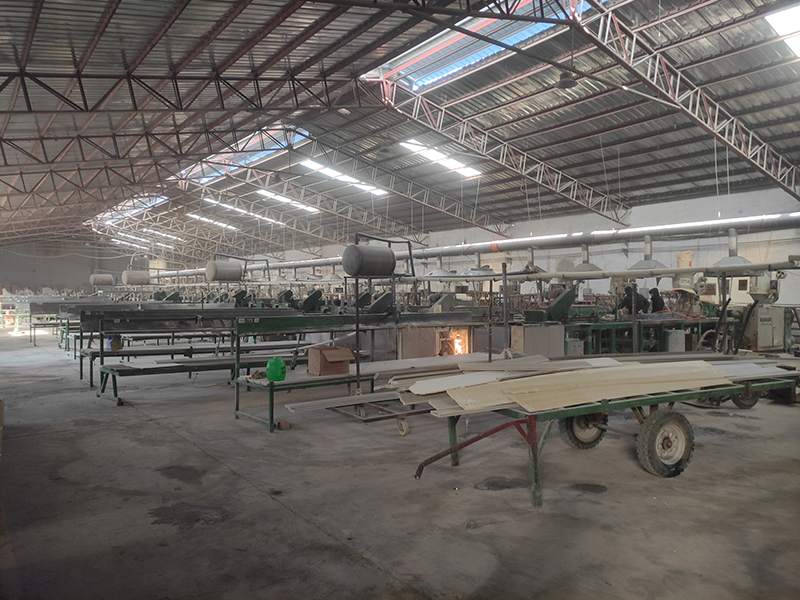
Headquartered in Linyi, Shandong Province—known as the Logistics Capital of China—Linyi Rongsen Decoration Material Co., Ltd. operates high-capacity, automated manufacturing lines. The facility utilizes computer-controlled raw material batching, heavy hydraulic forming press machinery, and high-pressure steam autoclaves. These setups facilitate the hydrothermal reactions needed to form stable crystalline tobermorite matrix structures in our silicate lines.
This automated manufacturing model minimizes raw density variations, producing reliable structural panels. The close proximity to major international ports ensures direct container transit lines to major Australian ports, including Port Botany (Sydney), Port of Melbourne, Port of Brisbane, and Fremantle.
For more than a decade, our enterprise has supplied global markets by combining reliable material chemistry with quality assurance protocols. Every production run undergoes internal batch testing to verify density, moisture absorption ratios, and mechanical bending strength.
Whether supplying multi-residential developers in Melbourne or commercial builders in Western Australia, our logistics networks allow us to manage structural volumes while maintaining consistent quality. We bridge the gap between high-volume manufacturing and localized site demands.
Analytical comparison of material properties across our specialty wallboard and fireproofing configurations.
| Material Classification | Nominal Density (g/cm³) | Thermal Conductivity (W/m·K) | Combustibility Rating (AS 1530.1) | Standard Thickness (mm) | Primary Application Scenario |
|---|---|---|---|---|---|
| Calcium Silicate Fireproof Board | 1.2 – 1.4 | ≤ 0.22 | Certified Non-Combustible | 6, 9, 12, 15, 20 | FRL Walls, Shaft Encapsulation, Eaves |
| SPC Fireproof Wall Panel | 1.9 – 2.1 | ≤ 0.16 | Flame Retardant (B1 / Class 1) | 3.0, 4.0, 5.0 | Commercial Hotel & Wet Area Cladding |
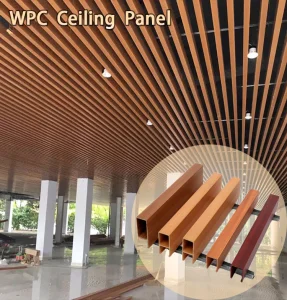
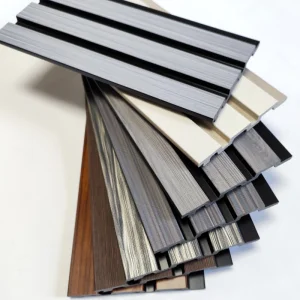
| WPC Interior Cladding Panel | 0.65 – 0.85 | ≤ 0.12 | Self-Extinguishing | 8, 12, 15 | Residential Ceilings & Accent Walls |
| PU Lightweight Stone Panel | 0.22 – 0.35 | ≤ 0.045 | Class B2 (Modified Flame Retardant) | 15 - 50 (Variable) | Insulative Decorative Masonry Facades |
Autoclaved Curing Technology: Our calcium silicate boards undergo a hydrothermal reaction process at 180°C under high-pressure steam conditions. This creates a crystalline tobermorite structure that remains stable under thermal expansion. Unlike conventional gypsum boards, which release combined water molecules and degrade above 100°C, the tobermorite matrix maintains structural integrity at temperatures up to 1000°C, providing a durable physical shield against flame penetration.
Engineered design systems tailored for local compliance requirements, environmental conditions, and installation practices.
Provides critical containment for mechanical, electrical, and plumbing risers in Sydney and Melbourne high-rises. Prevents vertical smoke and flame spread between zones, satisfying FRL 120/120/120 system designs.
Designed for high-density suburban developments where housing units are built close to boundary lines. Installs on light gauge steel framing to restrict horizontal fire spread to adjacent properties.
For regional developments in bushfire-prone zones, these panels shield the vulnerable roof structure from direct flame contact and radiant heat spikes up to 40kW/m².
Standard building boards degrade under high temperatures when their internal molecular bonds break down. Our silicate lines rely on a controlled reaction between calcium oxide (lime) and silicon dioxide (quartz silica) to form a crystalline tobermorite binder, reinforced by organic and mineral fibers.
Under fire exposure, this structure does not contribute fuel to the flame (meeting AS/NZS 1530.1 requirements). Instead, it acts as a thermal barrier, limiting heat transfer to the unexposed face to protect key load-bearing steel columns or adjacent building volumes.
In addition to fire safety, our systems provide key structural benefits for modern projects. The high-density formulation offers reliable sound transmission loss, helping walls meet the Rw + Ctr acoustic demands of the NCC when paired with glasswool insulation cavity infills.
Furthermore, these panels are resistant to rot, mold, and moisture, making them suitable for sub-floor areas, semi-exposed eaves, and wet zones where standard plasterboards are prone to moisture issues.
Verifiable quality systems designed to meet Australian import and building compliance requirements.
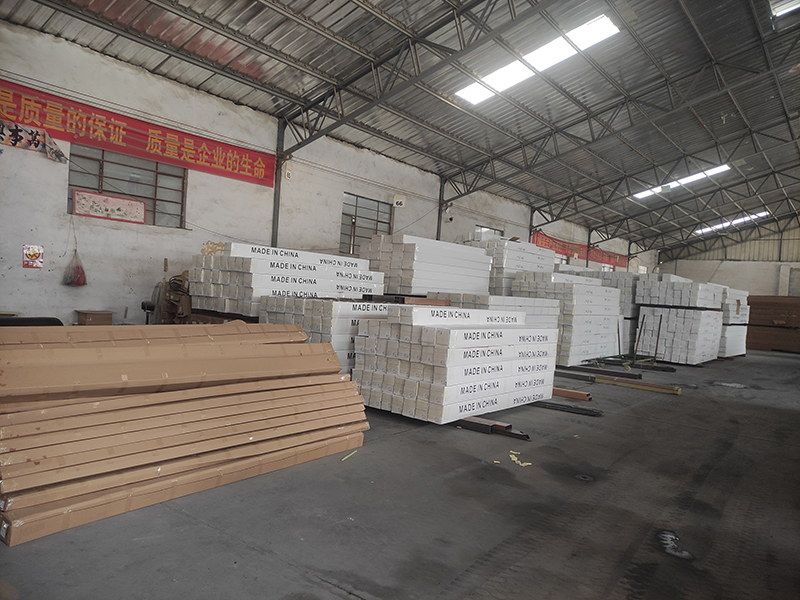
We manage direct shipping configurations for bulk commercial contracts and full container load (FCL) orders. Working with major shipping lines, we coordinate transit routes from Qingdao Port to Australia's main container terminals. Our shipping layouts use heavy-duty wooden crates, plastic moisture wraps, and reinforced steel banding to protect materials during ocean transit and site handling.
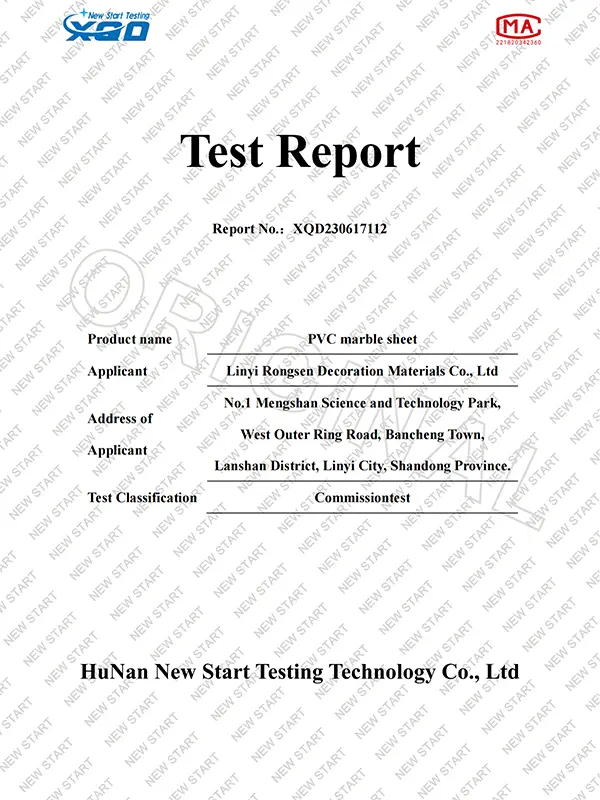
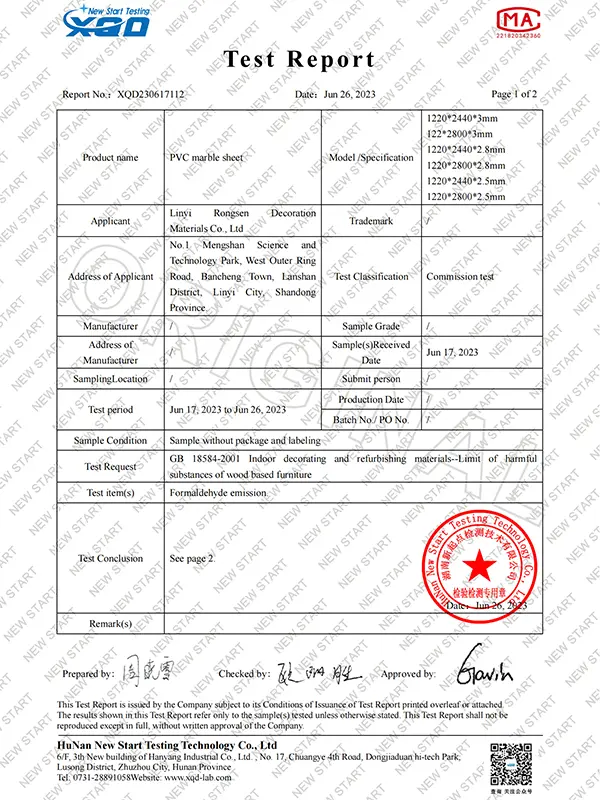
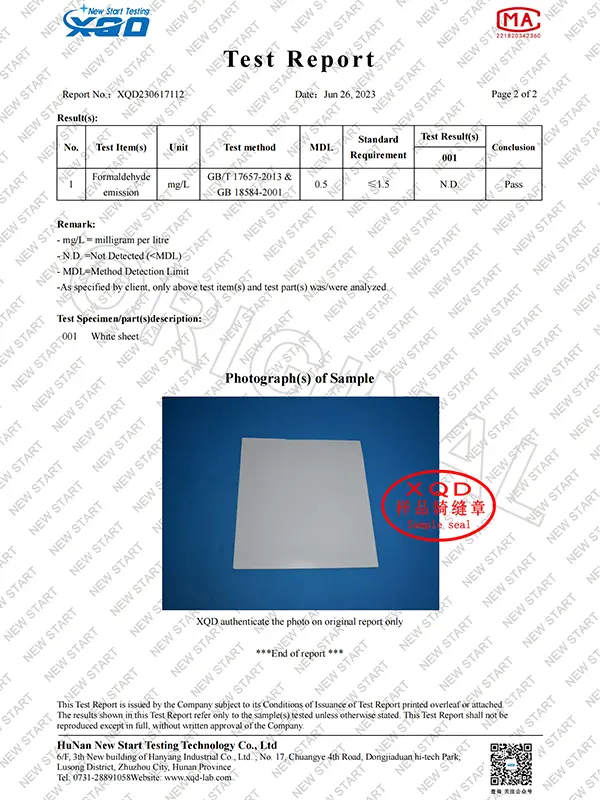
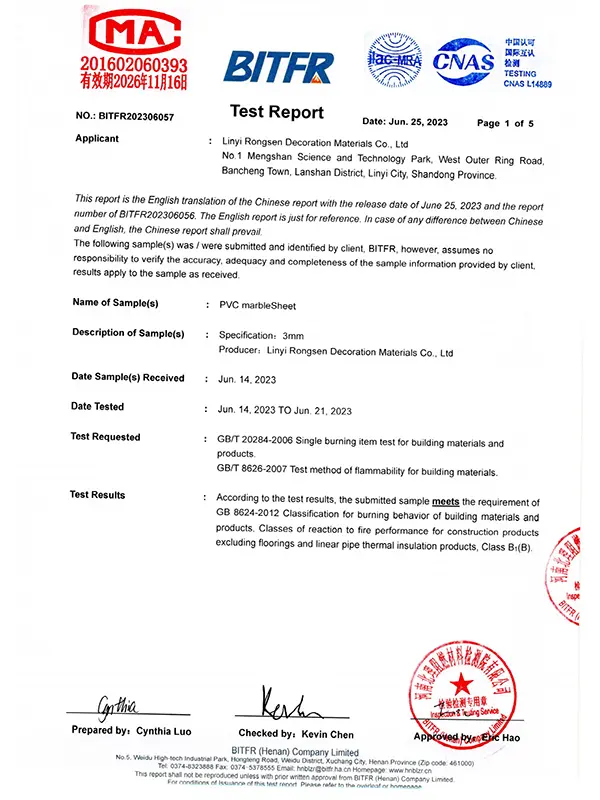
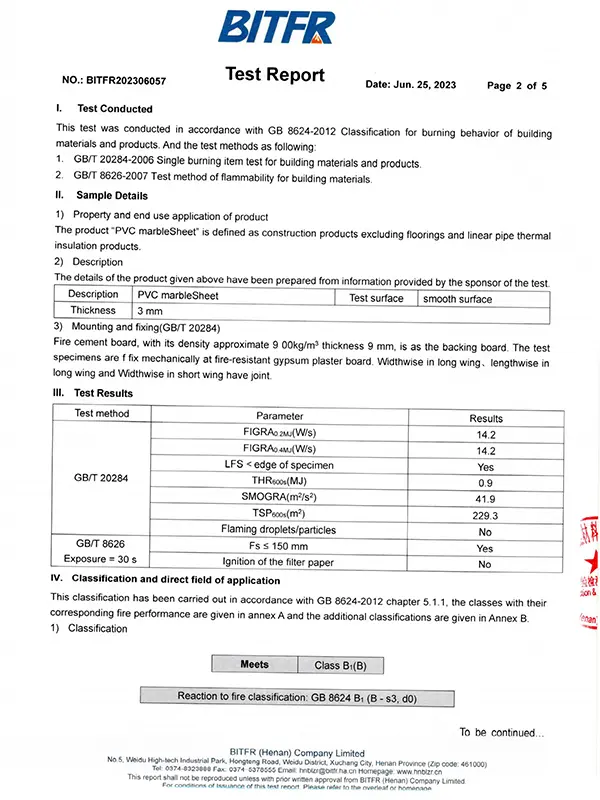
Our manufacturing lines operate under ISO 9001 quality management systems. We track raw material sourcing and conduct batch testing to ensure finished panels maintain reliable thickness, density, and fire resistance parameters. We provide testing documentation to assist building certifiers and engineers during project sign-off.
Explore our complete selection of decorative, structural, and certified fireproof cladding panels.
As international construction standards shift toward low-carbon footprints, our R&D processes prioritize reducing embedded carbon within our silicate formulations. We are researching alternatives to standard Portland cement binders, focusing on geopolymer and mineralized slag chemistries to reduce energy intensity during manufacturing.
Additionally, we aim to verify compatibility with green building rating systems in the Australia-Pacific region, including the Green Star system. Our goal is to provide non-combustible panels that meet fire safety codes while helping projects achieve energy efficiency and environmental goals.
Carbon Reductions: Aiming to reduce carbon intensity across our primary calcium silicate lines by 15% through optimized curing cycles.
Recycled Content: Increasing the target use of post-industrial recycled by-products within our structural panel bases.
VOC Controls: Ensuring all interior wall decor boards maintain low-emission profiles to support indoor air quality.
Detailed technical advice for Australian builders, specifiers, and procurement managers.
 Rongsen