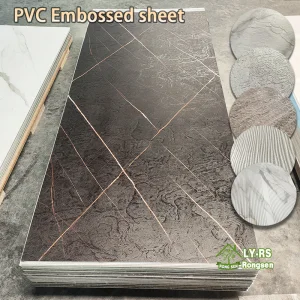
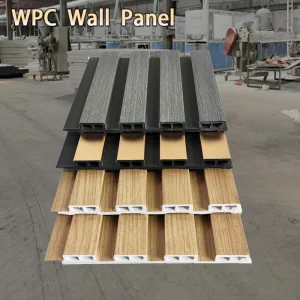
Explore our precision-manufactured WPC, SPC, and high-performance polymer cladding and decking materials engineered for global architecture.
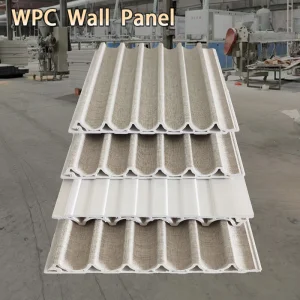
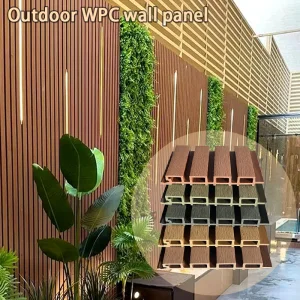
The outdoor construction landscape has undergone a monumental shift. Architects and urban planners are increasingly moving away from natural softwoods and chemically treated tropical hardwoods. At the center of this transformation is Wood-Plastic Composite (WPC) outdoor decking. By fusing thermoplastic polymers (specifically high-density polyethylene, or HDPE) with refined natural wood flour, modern WPC presents a high-integrity, moisture-resistant alternative that actively combats global deforestation challenges.
Across North America, Europe, and Asia-Pacific markets, structural demands require materials that can withstand dynamic thermal fluctuations, ultraviolet degradation, and biological attack. First-generation composite decking often fell short under extreme weathering, leading to core cracking and color loss. However, the introduction of co-extruded (capped) outer membranes has redefined performance parameters. Today's WPC solutions feature a shield layer containing advanced UV inhibitors and anti-oxidants, offering decades of structural integrity and minimal maintenance overheads.
"The global market value of WPC decking is projected to expand significantly, driven by residential architectural demand, commercial landscaping initiatives, and circular economy compliance parameters."
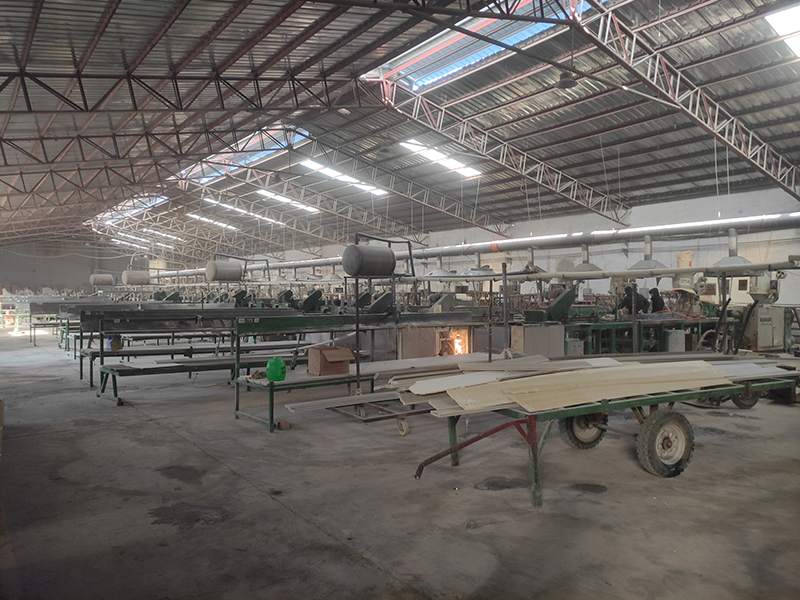
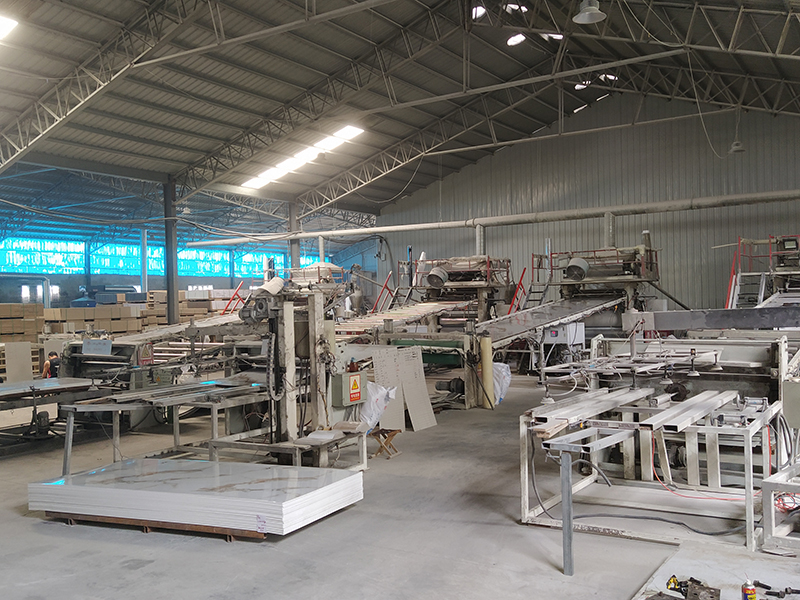
Sourcing from professional manufacturing hubs in China provides importers, wholesalers, and project specifiers with distinct cost and quality advantages. Over the past decade, Chinese manufacturers have graduated from basic extrusion operations to fully automated, digitally managed smart factories.
| Performance Metrics | Capped WPC Decking | Preservative Treated Timber | Natural Hardwood |
|---|---|---|---|
| Service Life Cycle | 25+ Years (Maintenance-free) | 5 - 10 Years (Frequent sealing) | 15 - 20 Years (High maintenance) |
| Moisture Absorption Index | < 1% (Non-swelling) | 15% - 25% (Highly prone to warping) | 8% - 15% (Risk of cracking) |
| UV Degradation Resistance | Excellent (Advanced color fastness) | Poor (Grays and cracks rapidly) | Moderate (Fades without oil coating) |
| Resistance to Termites & Rot | 100% Resistant | Vulnerable over time | Naturally resistant but variable |
| Post-Consumer Recyclability | 100% Recyclable | Toxic chemical leaching hazard | Biodegradable (but requires replacement) |
Every commercial development poses unique geographical challenges. Selecting the right composite formulation depends heavily on localized environmental conditions:
Marine docks, boardwalks, and coastal resorts are constantly exposed to high humidity, salty air, and regular water contact. Traditional wood deteriorates quickly in these conditions due to salt-crystal expansion and moisture saturation. Co-extruded WPC decking, with its impenetrable polymer layer, prevents salt corrosion and moisture absorption, ensuring long-term structural stability.
Urban plazas, commercial shopping centers, and hotel rooftops require materials that can handle high foot traffic. The heavy density of WPC decking protects against indentation and scratching, while its built-in slip resistance ensures safety in wet conditions.
In region like Northern Europe, Canada, or the Middle East, outdoor spaces undergo dramatic seasonal temperature shifts. Low-quality plastics can become brittle in sub-zero winters or soften in desert summers. High-grade WPC from premium factories uses customized polymer blends designed to expand and contract minimally, preventing warping and stress-fracturing.
Global procurement teams must look beyond raw price points to evaluate the long-term viability of their supply chain partners. Essential criteria include:
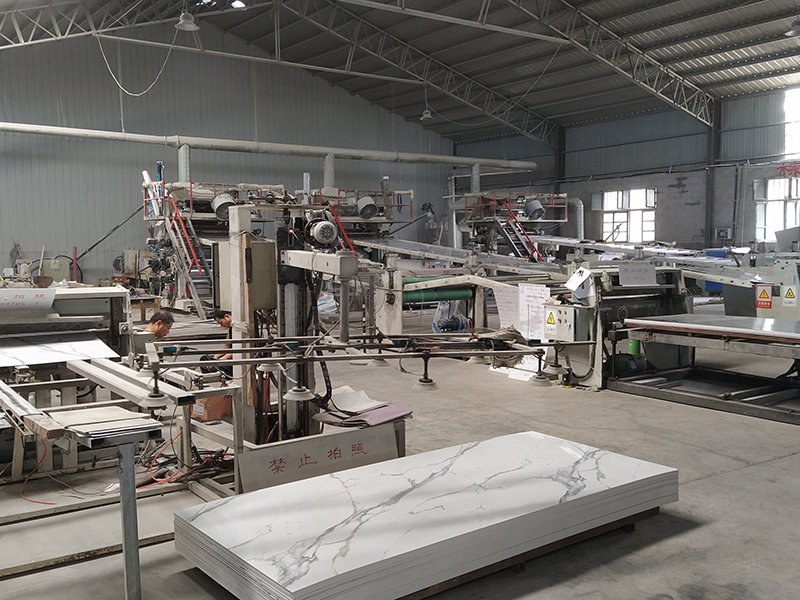
We blend material science, efficient logistics, and strict quality control to deliver premium decorative materials worldwide.
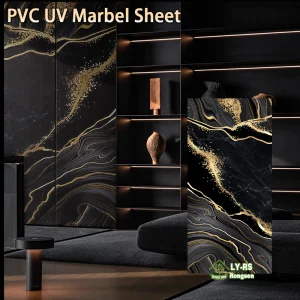
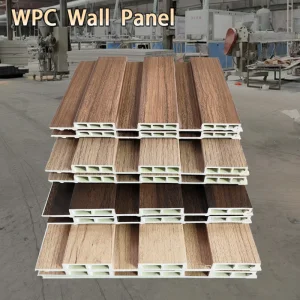
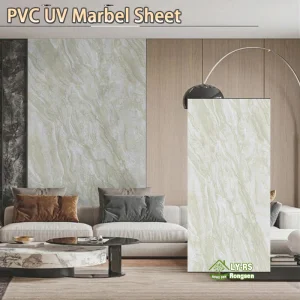
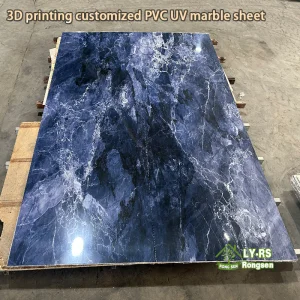
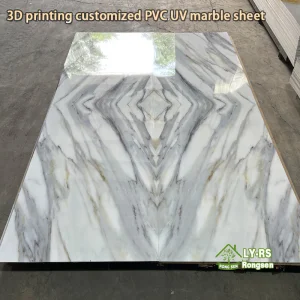
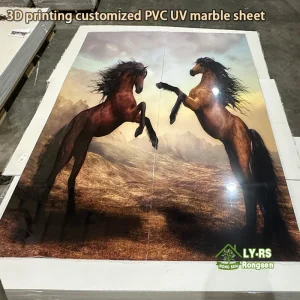
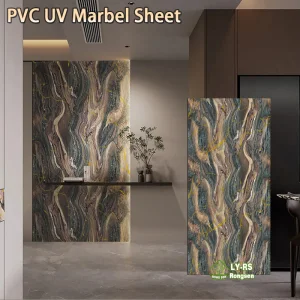
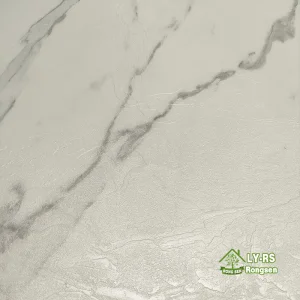
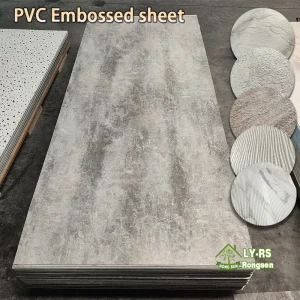
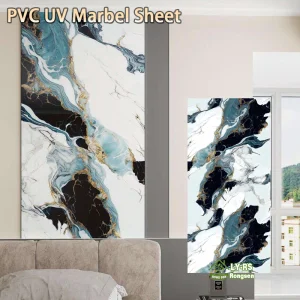
We produce and export a comprehensive range of decorative materials including PVC UV marble panels, PVC embossed panels, 3D printed backdrops, PS wall panels, WPC wall panels, PU stone wall panels, and decorative lines. Every product we make reflects our dedication to functional excellence and architectural design.
Based in Linyi, Shandong Province—known as the "Logistics Capital of China"—our facility has direct access to highly efficient domestic freight systems and major ocean ports. This proximity allows us to minimize ocean freight lead times and streamline international transport.
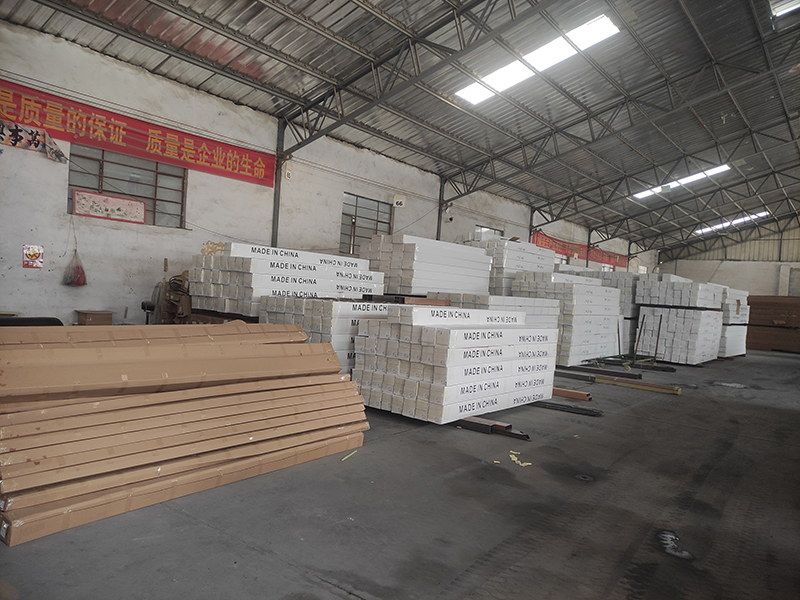
Our business values integrity and quality above all else. We maintain rigorous inspection standards throughout our production cycles, ensuring every container loaded meets global construction requirements and your specific project needs.
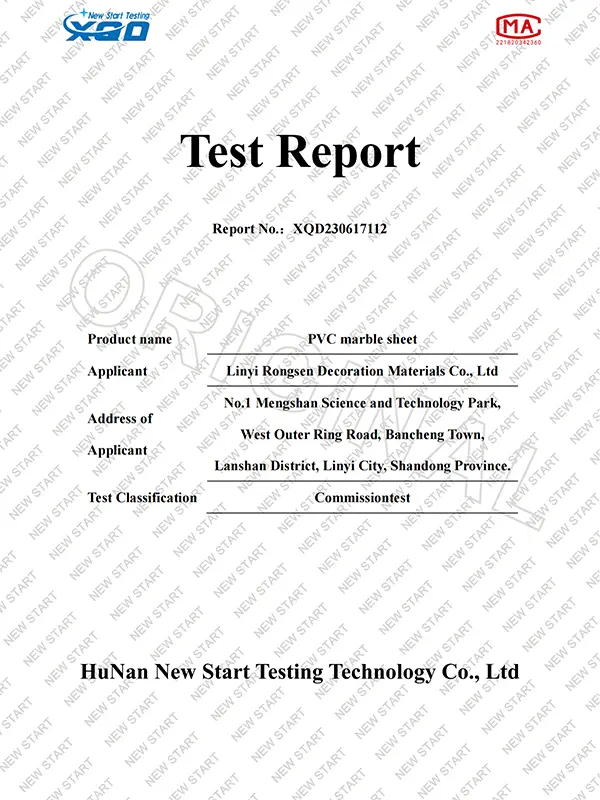
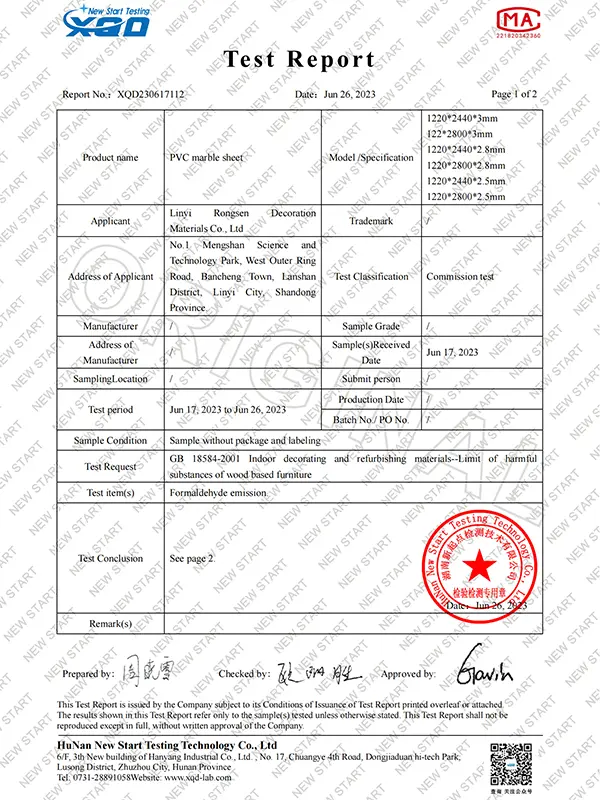
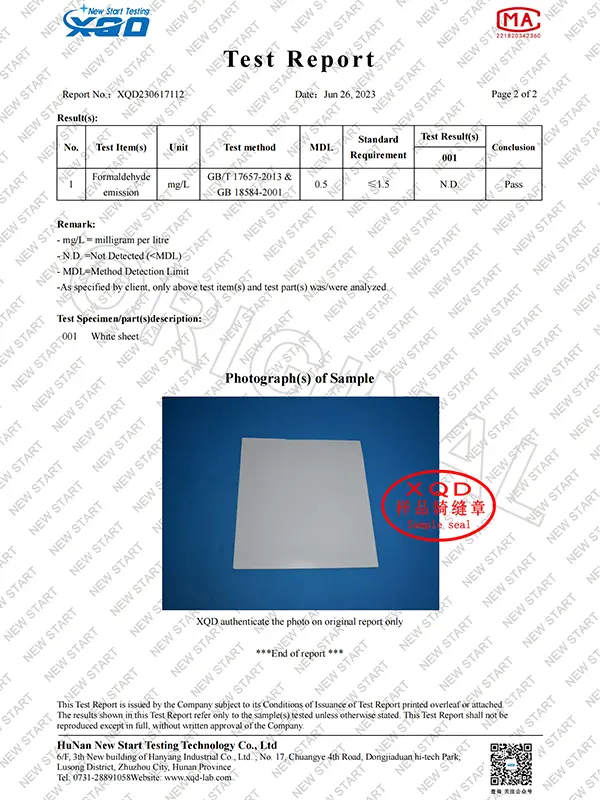
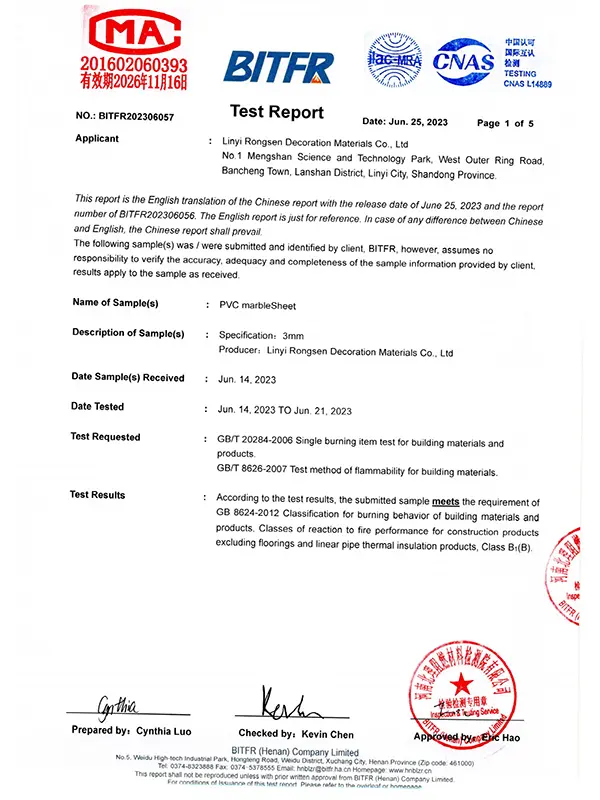
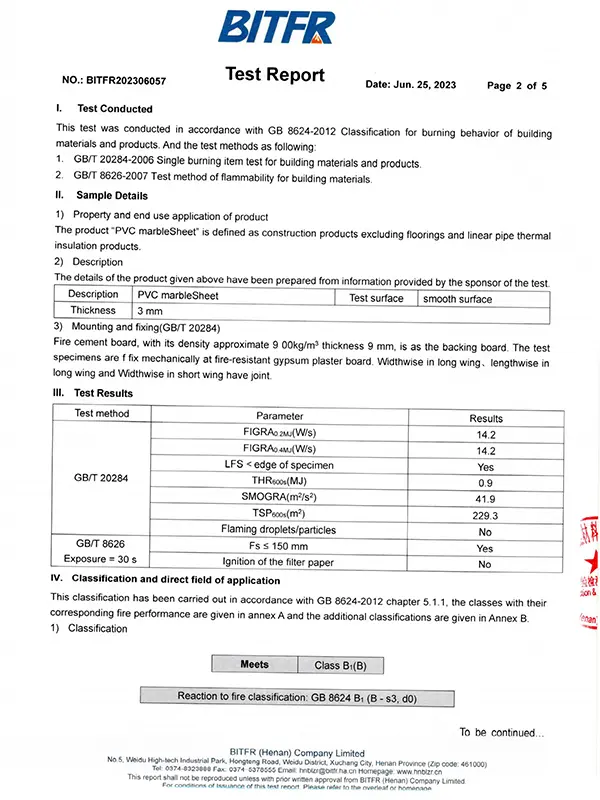
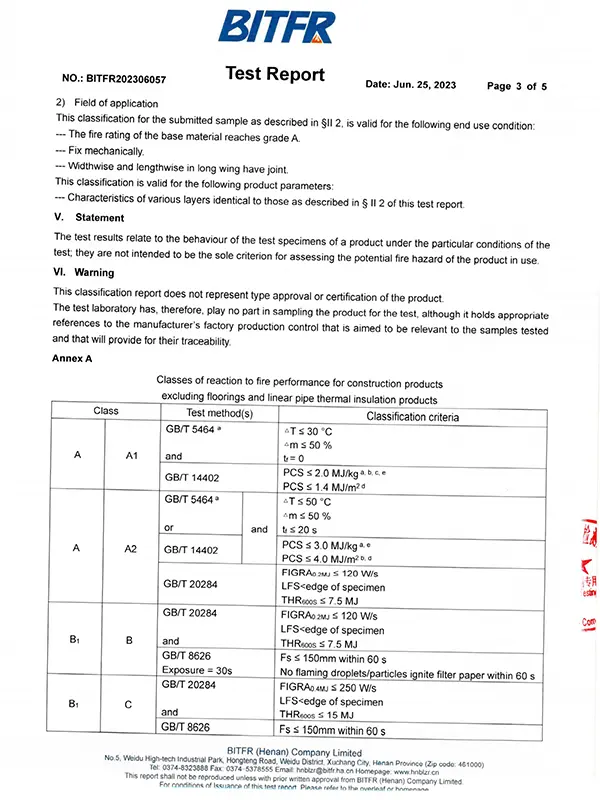
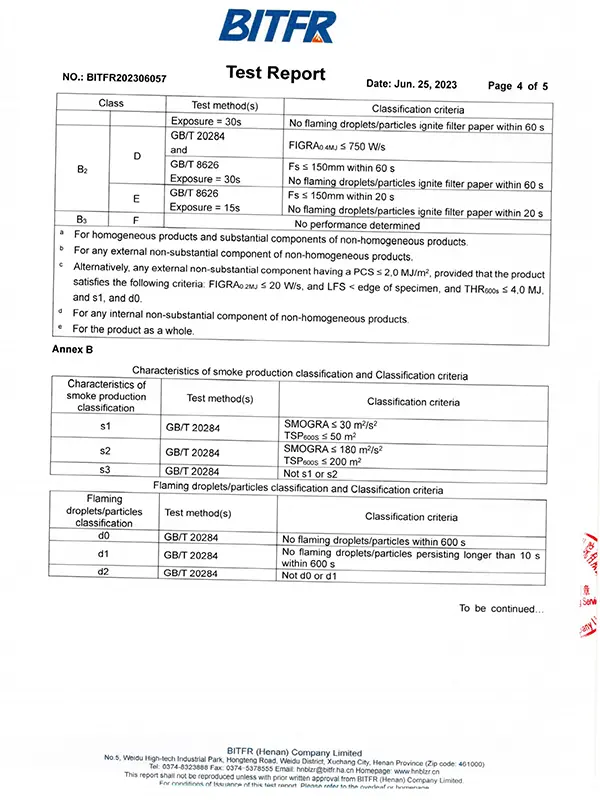
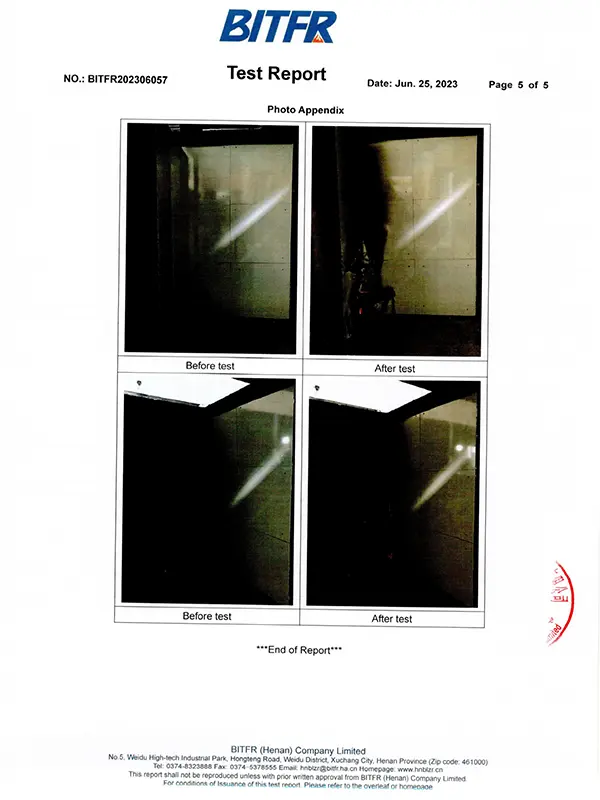
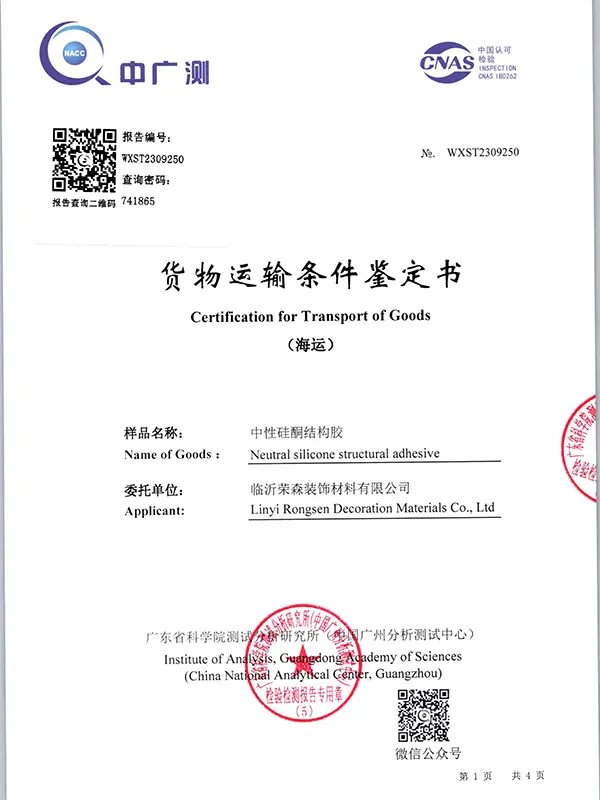
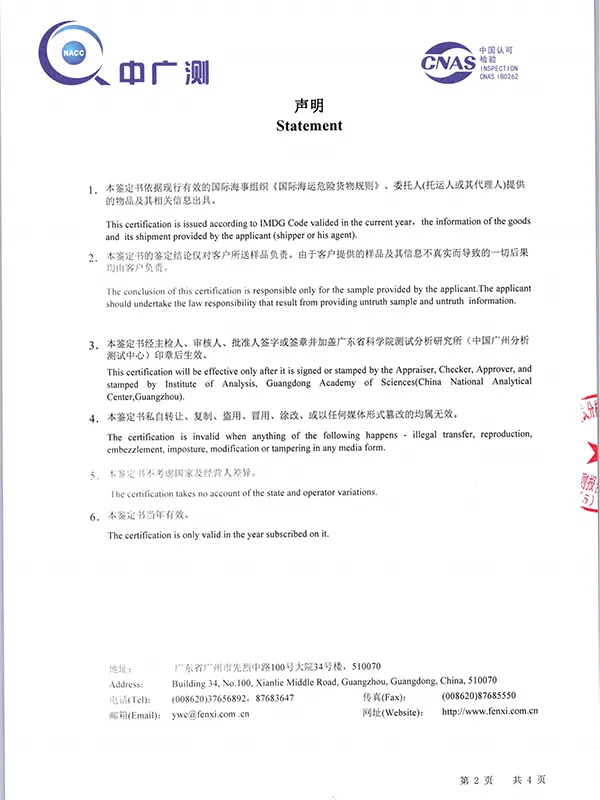
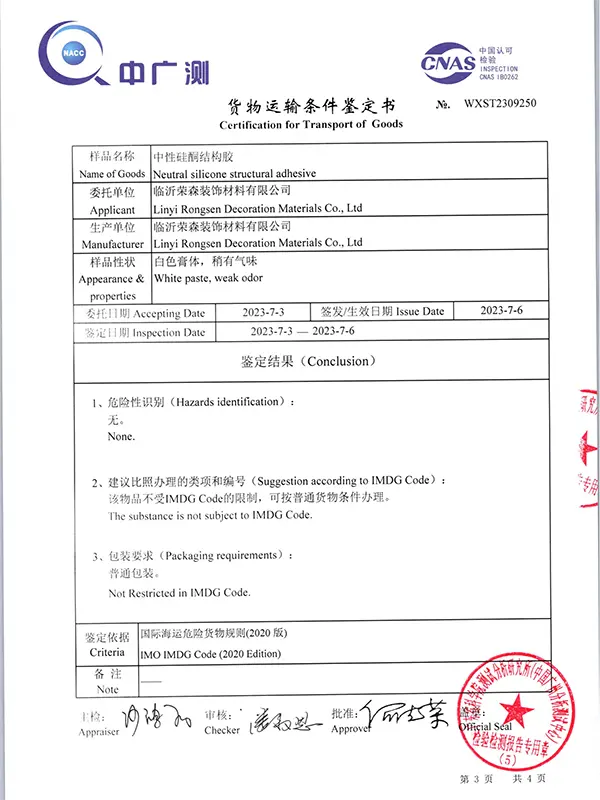
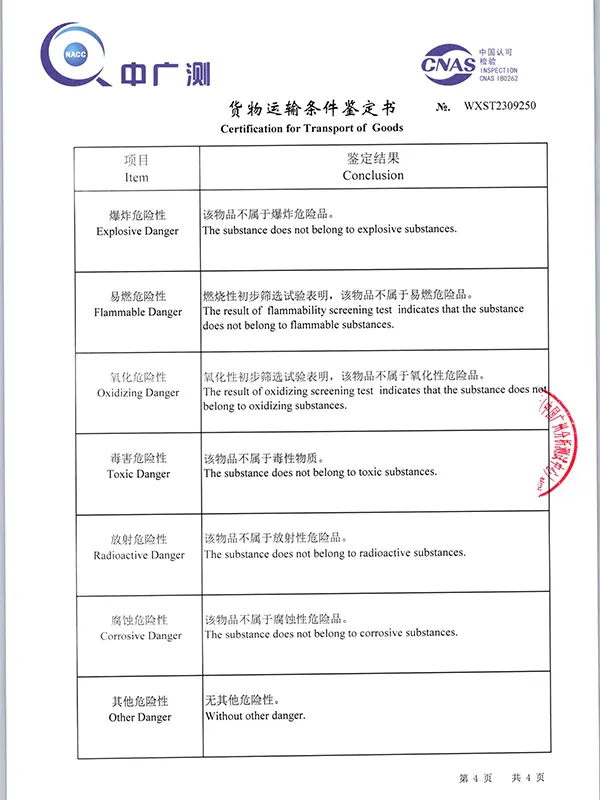
Our products undergo rigorous testing by recognized testing bodies, ensuring they meet global building and environmental regulations.
Get professional answers about technical performance, ordering protocols, and installation guidelines.
Connect with our export division to request material samples, discuss custom profile designs, and receive competitive price quotes.
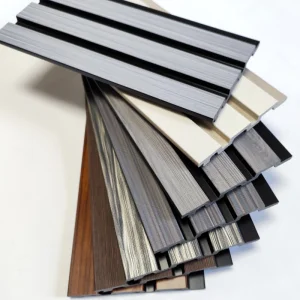
We provide comprehensive material sample kits containing diverse profiles, color finishes, and co-extrusion textures to support your design validation process.
Our logistics experts assist in optimizing container load configurations to maximize shipping space, lower transit costs, and prevent damage during transport.
Complete your building projects with our versatile range of flame-retardant interior wall panels, exterior cladding, and custom rock panels.
 Rongsen