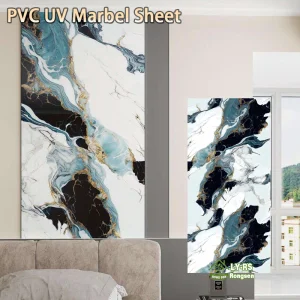
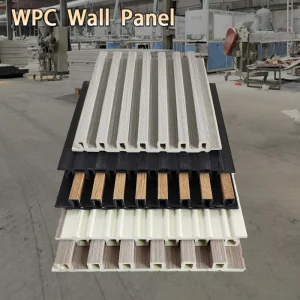
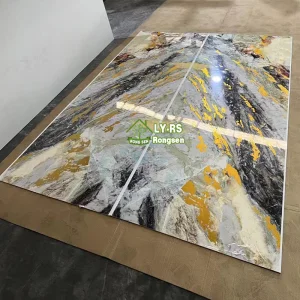
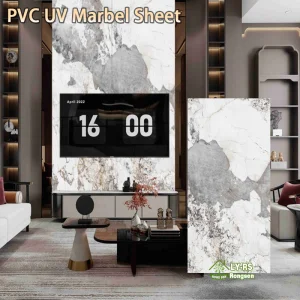
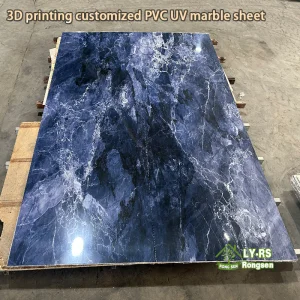
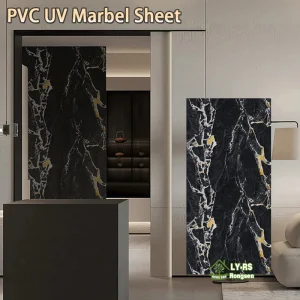
Explore our premium grade UV-treated marble panels, embossed PVC structures, and engineering-grade composite sheets engineered for extreme durability.
The global construction and commercial interior design sectors are undergoing an unprecedented paradigm shift. Historically, natural stone, ceramic tiling, and solid timber panels defined the high-end architectural envelope. However, these traditional materials impose massive structural weight, high environmental footprints, volatile installation costs, and vulnerability to moisture degradation.
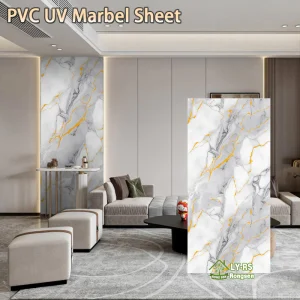
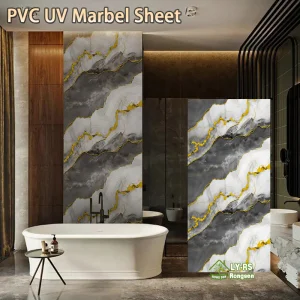
Modern architectural engineering demands high-performance alternatives. UV Sheet Wall Panels (primarily SPC and PVC-calcium carbonate matrices cured via Ultraviolet rays) have emerged as the dominant technological solution. By bonding high-density mineral composites with polyurethane-based polymer layers and finishing with an industrial UV-thermosetting transparent topcoat, manufacturers achieve marble-like high-gloss visuals, fire retardancy, and water insulation in a single, lightweight profile.
As sustainability regulations tighten globally—such as LEED certifications and strict EU VOC limits—the chemical composition of interior panels is heavily scrutinized. Standard paints and laminates release volatile organic compounds over time. Advanced UV-cured curing processes eliminate solvent emissions during manufacture, fixing the polymer design instantly and resulting in an inert, highly stable surface cladding panel optimized for green building standards.
How polymer composites are outperforming traditional building materials in technical and environmental performance metrics.
Dual-extrusion integration of calcium carbonate and rigid PVC polymers under intense pressure creates a dense core. This prevents thermal deformation, limits expansion coefficients, and eliminates common structural warping in humid climates.
A double-coated thermosetting protective layer cured under localized UV lights provides a scratch-resistant finish (≥3H pencil hardness). This process seals the decorative print, protecting it from discoloration and surface friction.
Using calcium carbonate and recyclable polymers reduces reliance on quarrying natural stone. This material circularity meets sustainable construction standards while cutting down carbon footprints in transport.
For industrial buyers, hotel development groups, and building material wholesalers, importing interior wall panel systems requires a balance of cost efficiency, mechanical strength, and fire-safety compliance. Selecting a supplier involves verifying raw material ratios, density profiles, and structural properties.
High-quality UV sheets are defined by a high ratio of ultra-fine calcium carbonate powder (typically 55% to 58%) blended with virgin PVC resin (around 40%) and performance-enhancing impact modifiers. Cheap alternatives often use recycled PVC or high ratios of low-grade filler. Over time, these lower-grade sheets become brittle, warp, and emit odors. Linyi Rongsen Decoration Material Co., Ltd. ensures technical compliance by using high-purity raw materials in cleanroom extrusion facilities.
| Physical & Chemical Property | Standard Testing Protocols | Rongsen Premium UV Sheet Performance |
|---|---|---|
| Density Profile | ASTM D792 | 1.9 - 2.1 g/cm³ (High structural integrity) |
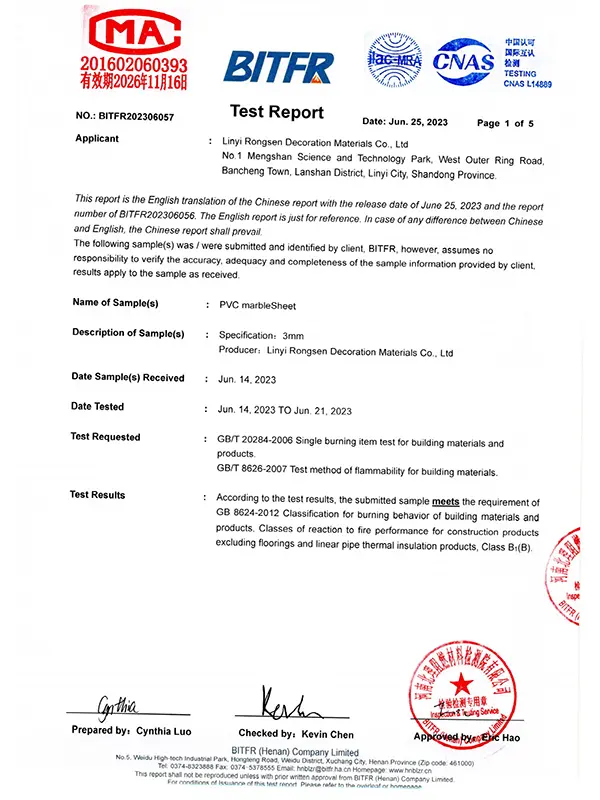
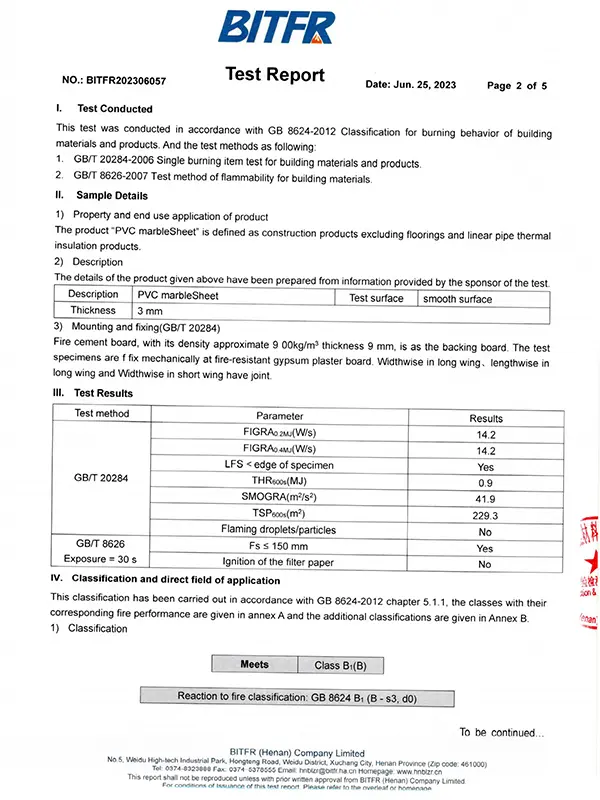
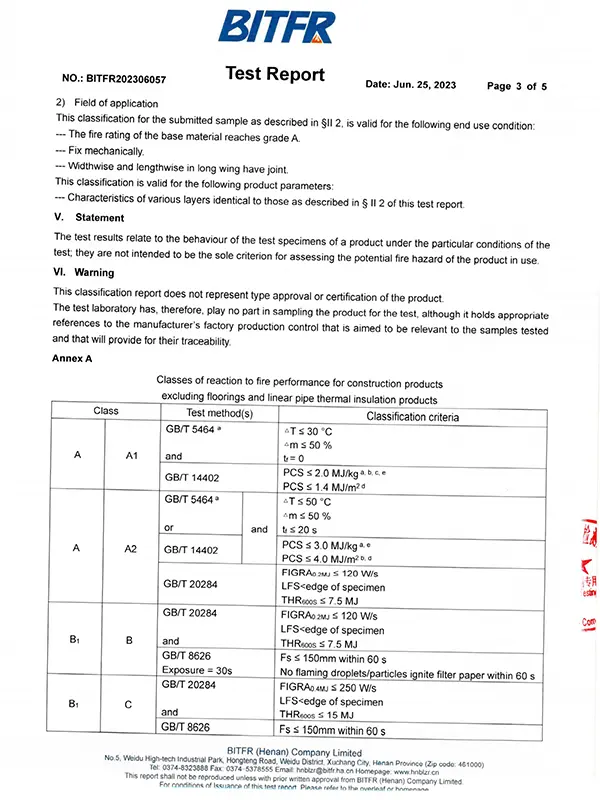
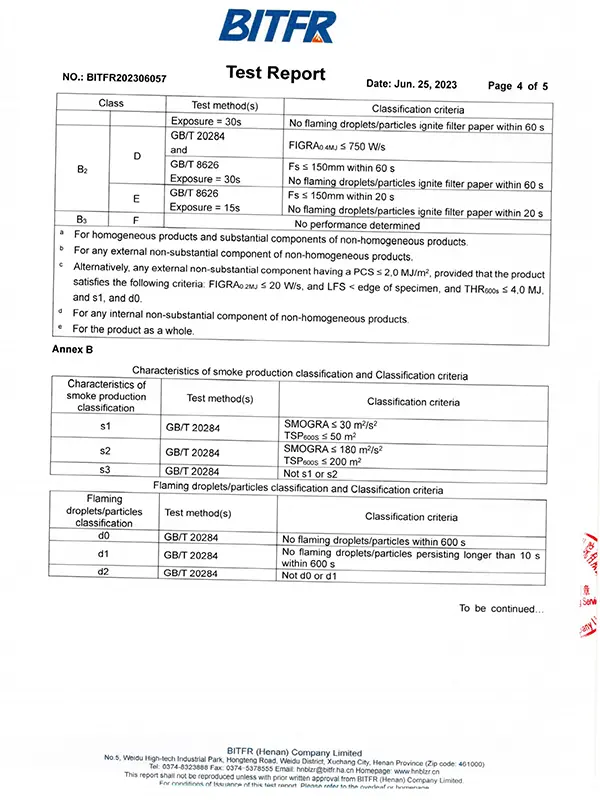
| Fire Behavior Performance | EN 13501-1 / GB 8624 | Class B1-s1, d0 (Flame retardant, low smoke emissions) |
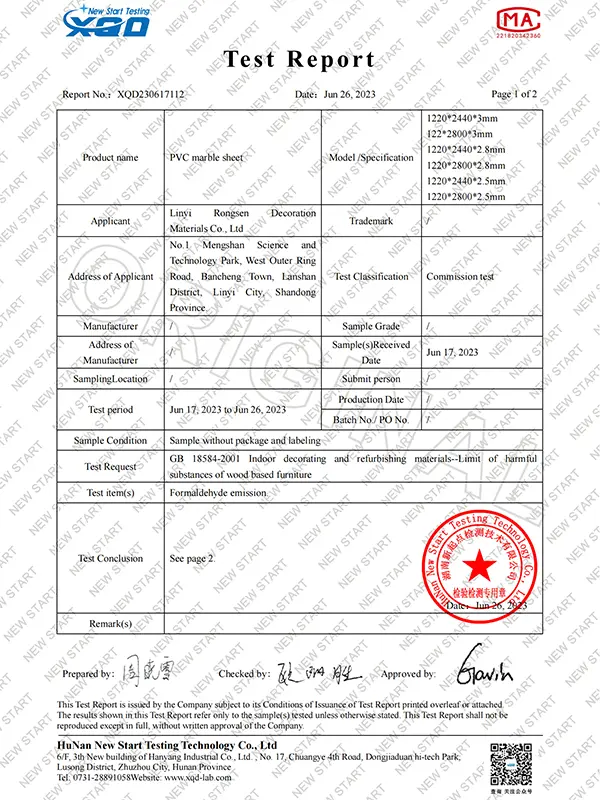
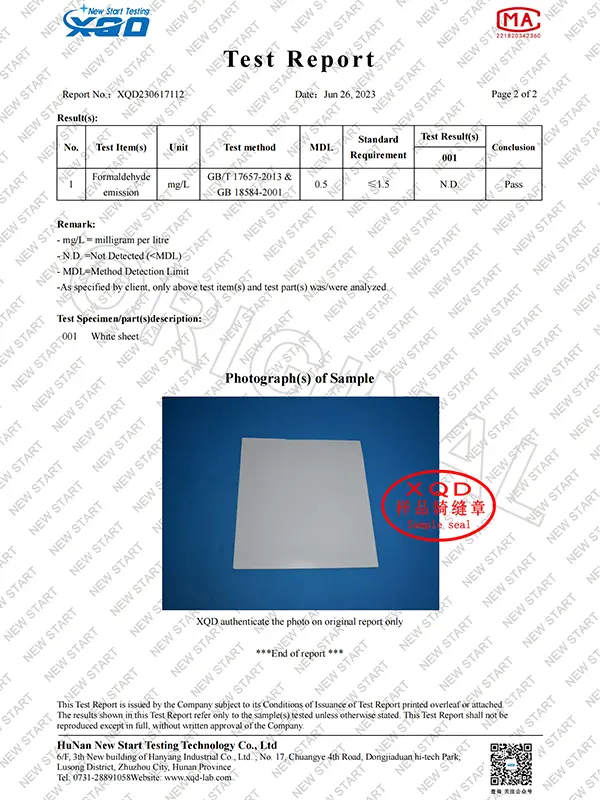
| Formaldehyde Emissions | EN 717-1 | ND (Not Detected - E0 Environmental Grade compliance) |
| Surface Scratch Resistance | ISO 15184 (Pencil Test) | 3H - 5H (High gloss scratch resistant coating) |
| Moisture & Water Absorption | ASTM D570 | < 0.1% after 24h immersion (Dimensionally stable) |
| Thermal Expansion Coefficient | ASTM D696 | ≤ 3.5 × 10⁻⁵ m/(m·°C) |
Understanding these details allows design engineers and buyers to balance material performance with structural loads, avoiding failures in high-humidity or high-traffic projects.
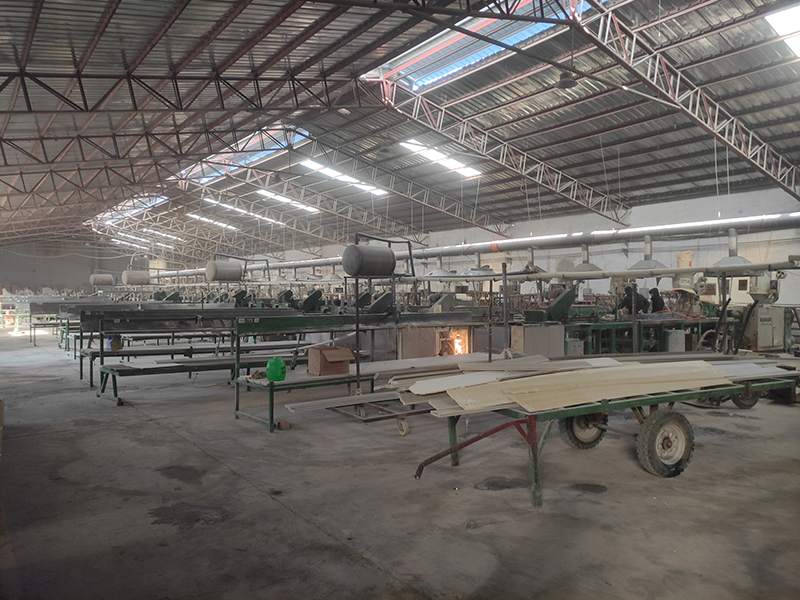
Our main manufacturing facility is operated by Linyi Rongsen Decoration Material Co., Ltd. in Linyi, Shandong Province, China. Linyi is widely recognized as the "Logistics Capital of China" and serves as a major hub for raw material sourcing and domestic transport networks. Positioned close to Qingdao Port, our facility has access to direct shipping lanes that streamline global exports.
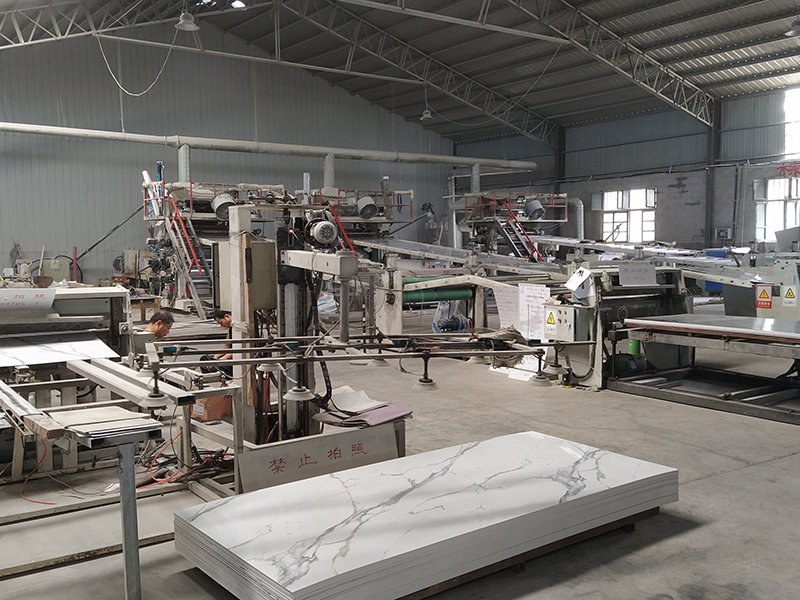
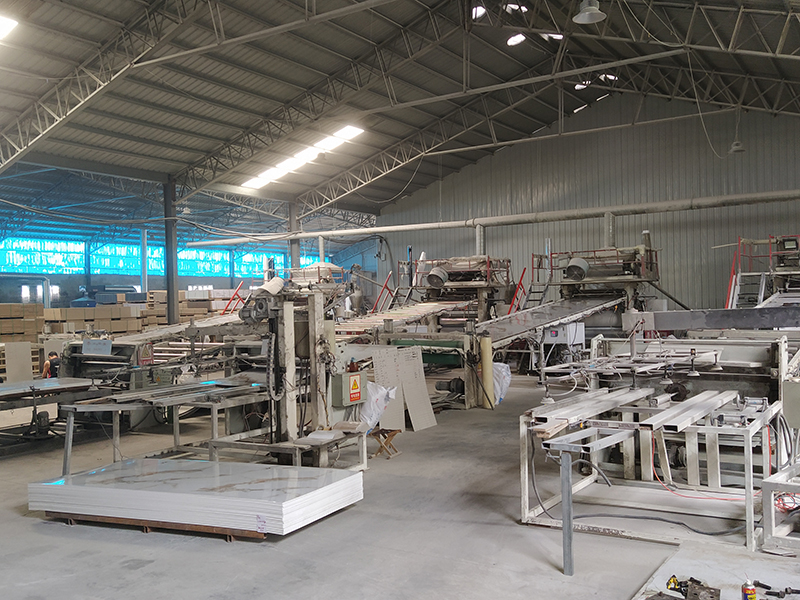
By using automated extrusion systems, our plant maintains consistent sheet thickness, compound blends, and surface treatments. Raw materials are mixed in computerized systems, extruded into sheets, and finished on automated lines with high-gloss UV coatings. This high level of automation keeps our production rates consistent and helps prevent defects.
In addition, our proximity to component and chemical suppliers shields our operations from raw material shortages. When global supply chains experience delays, our local raw material integration and logistics network help us maintain steady production schedules and reliable shipping timelines for our international customers.
From cleanroom hygiene in medical facilities to high-traffic commercial spaces, our panels are engineered to perform in demanding environments.
In hospitals, laboratories, and sterile production rooms, maintaining hygiene is critical. Our non-porous UV sheets resist bacterial colonization and withstand frequent chemical disinfection without fading or cracking.
For hotels, shopping centers, and office lobbies, our panels provide a premium aesthetic at a lower cost. They recreate the look of natural marble, wood, and stone with easy-to-clean surfaces that handle high foot traffic.
Traditional wood, MDF, and gypsum boards often warp or mildew in high-humidity areas like bathrooms and kitchens. Our mineral-PVC core prevents moisture absorption, ensuring long-term structural stability.
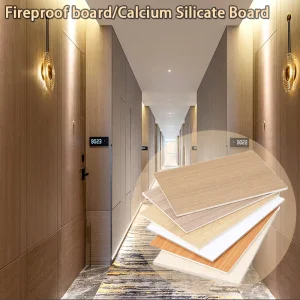
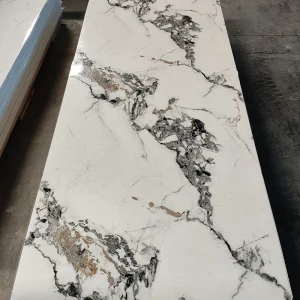
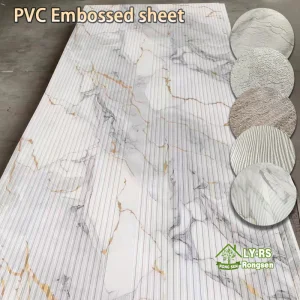
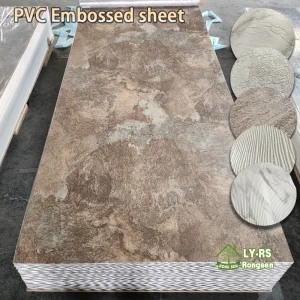
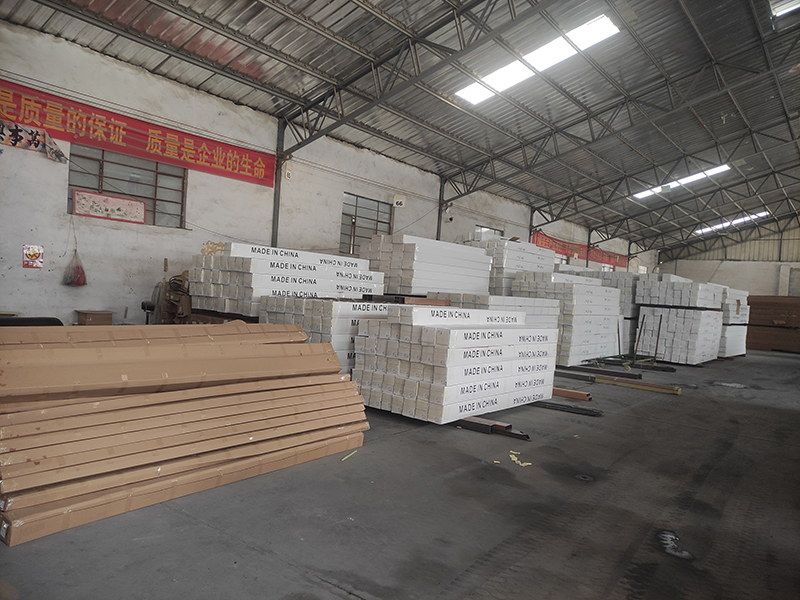
A visual overview of our raw materials, modern design finishes, and structural components ready for shipping.
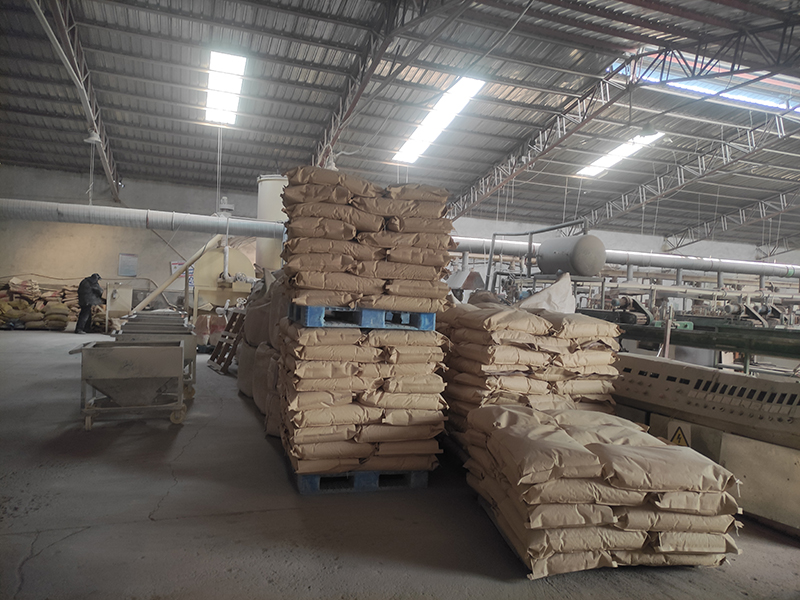
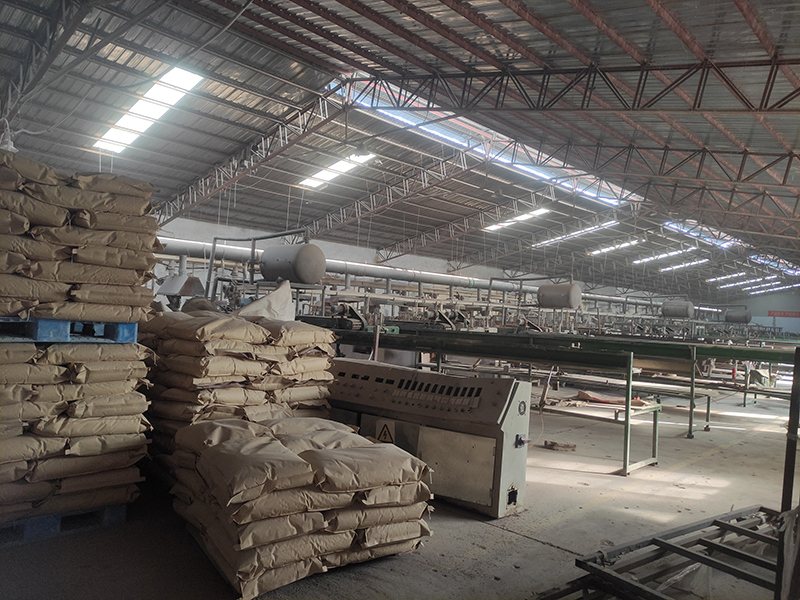
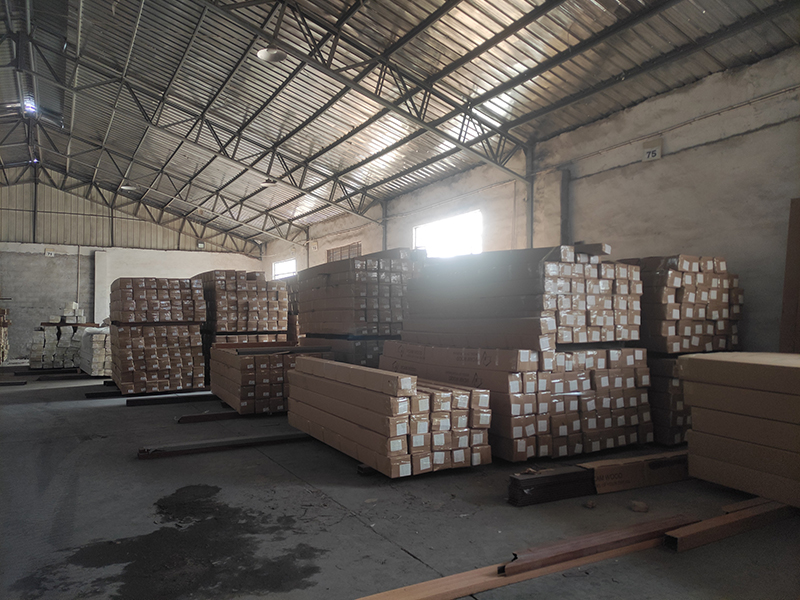
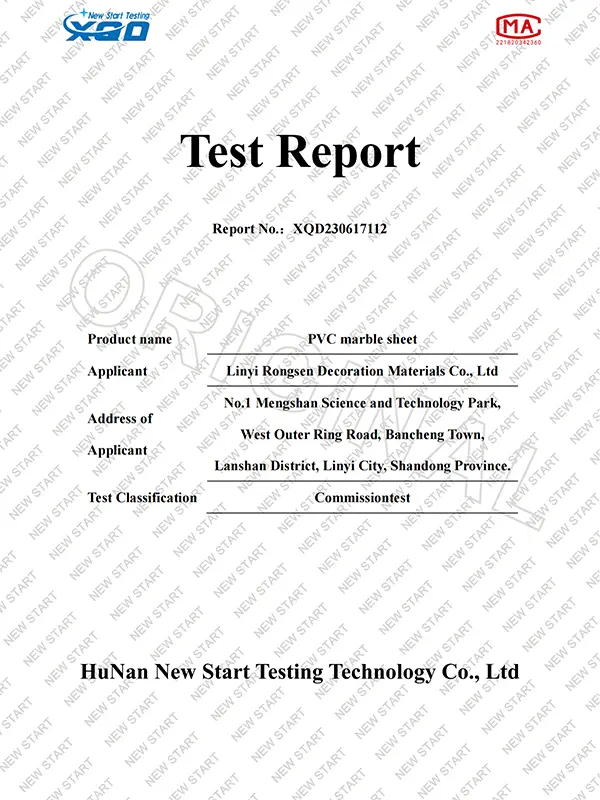
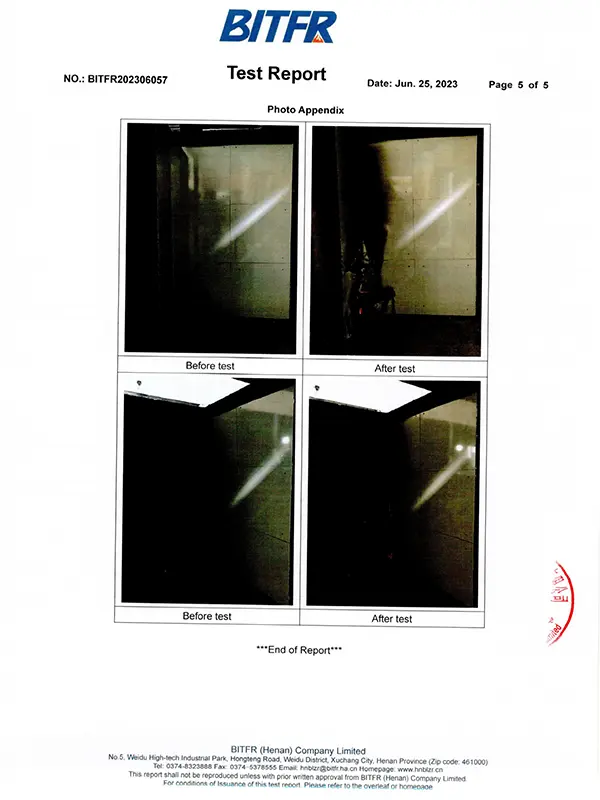
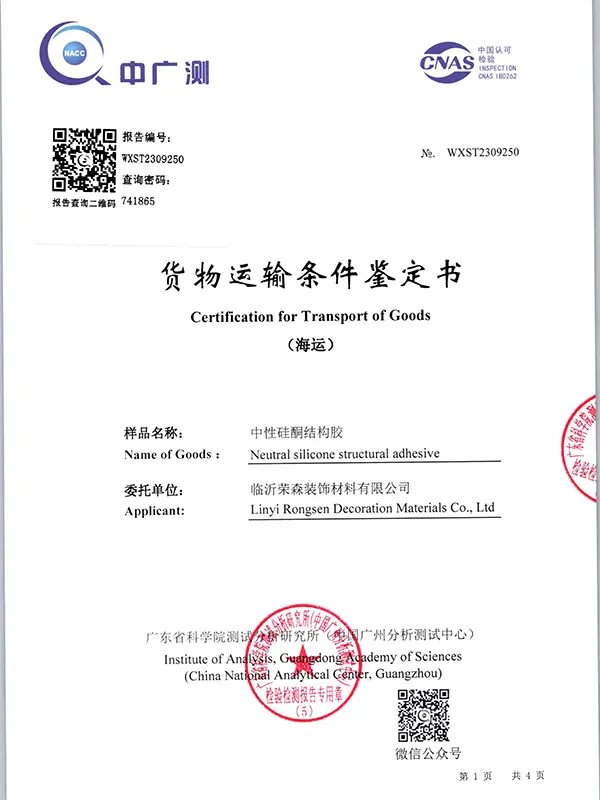
Our manufacturing and processing lines undergo regular testing by international certification organizations to verify safety, density, and environmental performance.
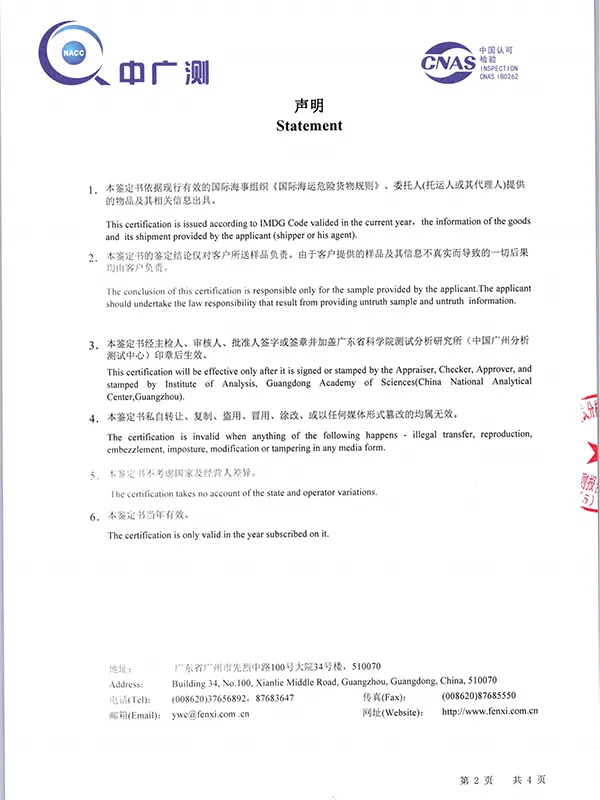
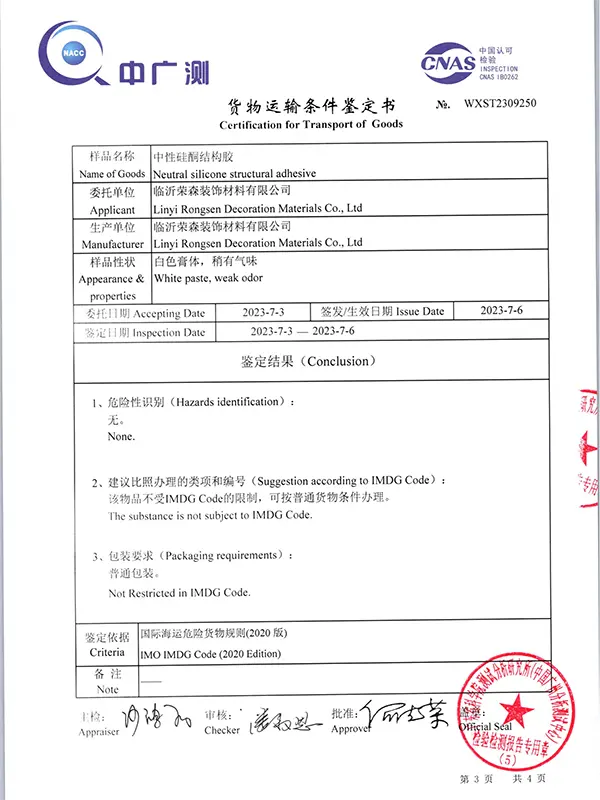
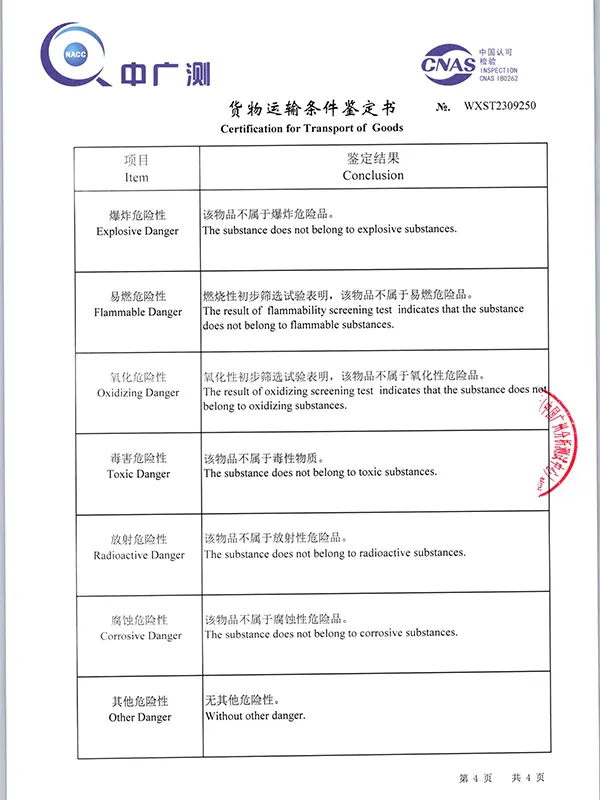
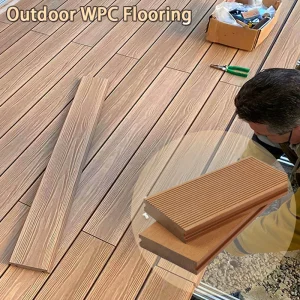
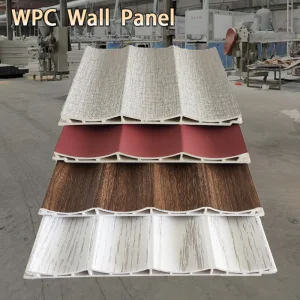
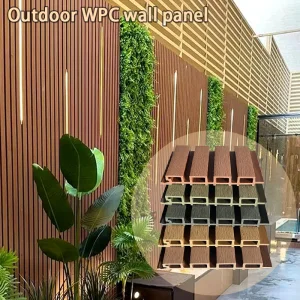
Engineered structural wall boards, exterior wood-plastic composites, and temporary protective panel options for global distribution.
Detailed technical answers addressing mechanical properties, installation processes, and raw material compositions for industrial procurement officers.
Our standard UV marble sheets are composed of approximately 58% natural calcium carbonate (calcite mineral powder), 40% high-grade virgin PVC resin, and 2% processing additives, stabilizer compounds, and impact modifiers. This mineral-to-polymer ratio produces a highly dense core (1.9–2.1 g/cm³) that resists thermal expansion, structural warping, and impact damage.
After the marble or wood grain pattern is printed on the base sheet, we apply a double layer of high-solids polyurethane acrylic lacquer. This layer is cured under focused ultraviolet lamp arrays. This reaction creates a cross-linked thermosetting surface coating with a surface hardness of 3H to 5H, protecting the sheet from micro-abrasions, fading, and chemical cleaners.
Yes. Our fireproof calcium silicate and SPC-core wall boards meet Class B1-s1, d0 standards under EN 13501-1 testing, and Class A standards under GB 8624. When exposed to flame, the material is self-extinguishing within seconds, resists active ignition, and generates minimal smoke, helping projects meet local fire safety codes.
Yes. Because the polymer-mineral core is waterproof (with a water absorption rate under 0.1%), the panels can be glued directly onto existing ceramic tile, concrete block, plaster, or drywall surfaces. Installers use neutral polyurethane structural adhesive or high-bond contact cements to ensure a lasting bond in high-humidity areas.
We operate multiple automated extrusion lines at our Linyi facility, producing over 15,000 standard-size sheets (1220mm x 2440mm) per day. Our standard lead time is 10 to 15 days from deposit confirmation to container loading, depending on the requested volume and custom print specifications.
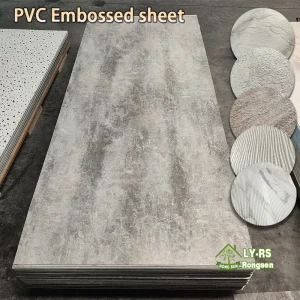
We support customization for bulk orders. Our standard thickness range is 2.5mm to 4.0mm, and we offer standard lengths of 2440mm, 2800mm, and 3000mm at a width of 1220mm. Customers can choose high-gloss, embossed, semi-matte, or custom-patterned surfaces to match specific design requirements.
 Rongsen