 Rongsen
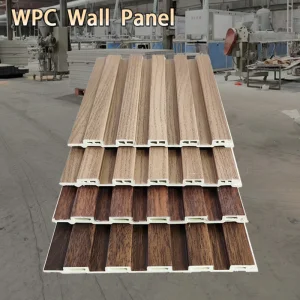
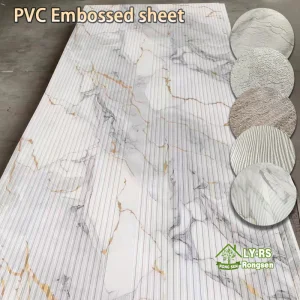
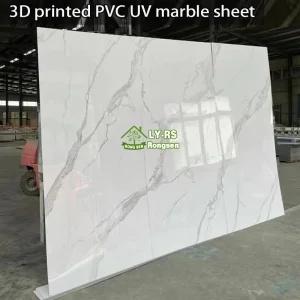
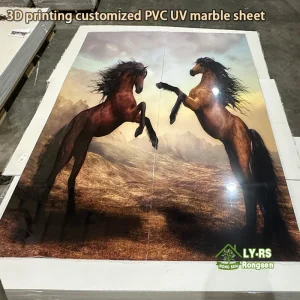
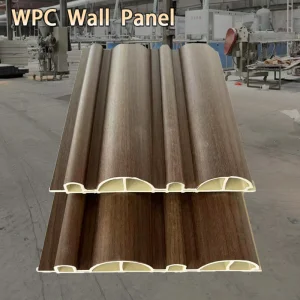
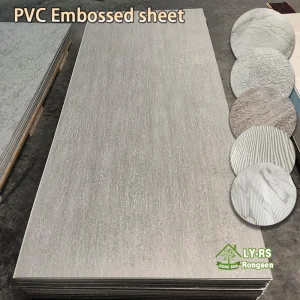
The Evolution of UV PVC & Composites in Modern Interiors
An Industry Whitepaper on Global Market Requirements, Technical Formulations, and China's Manufacturing Powerhouse
Executive Summary
Modern commercial and residential infrastructure demands interior lining materials that reconcile two opposing paradigms: ultra-durability and high aesthetic versatility. Traditional wall claddings like solid wood, natural marble, and ceramics incur steep material costs, demanding installation procedures, and high susceptibility to structural degradation (moisture warping, staining, and cracking). The emergence of UV-coated Polyvinyl Chloride (PVC) and Stone Plastic Composite (SPC) profiles offers a highly resilient, cost-effective substitute. Through precise UV cross-linking technology and complex co-extrusion processes, China manufacturers have scaled production to fulfill global architectural requirements. This document explores the technological and commercial dimensions of UV PVC, providing clear, objective insights for distributors, architects, and procurement agents globally.
Material Structural Stability
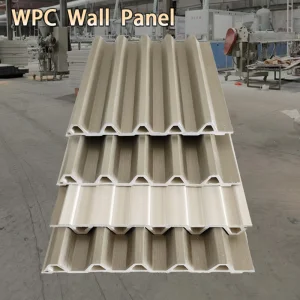
Unlike natural stone or timber, UV PVC features a high-density, co-extruded core of calcium carbonate and polymer compounds. This combination provides structural immunity to hygroscopic expansion, guaranteeing dimensional integrity even in environments with up to 95% relative humidity.
Direct Procurement Cost Control
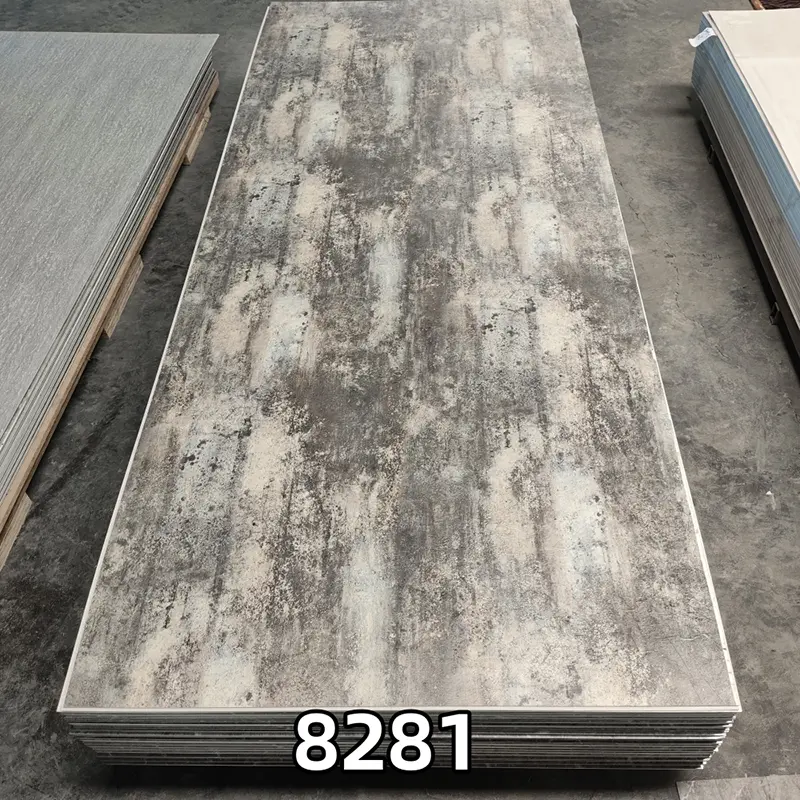
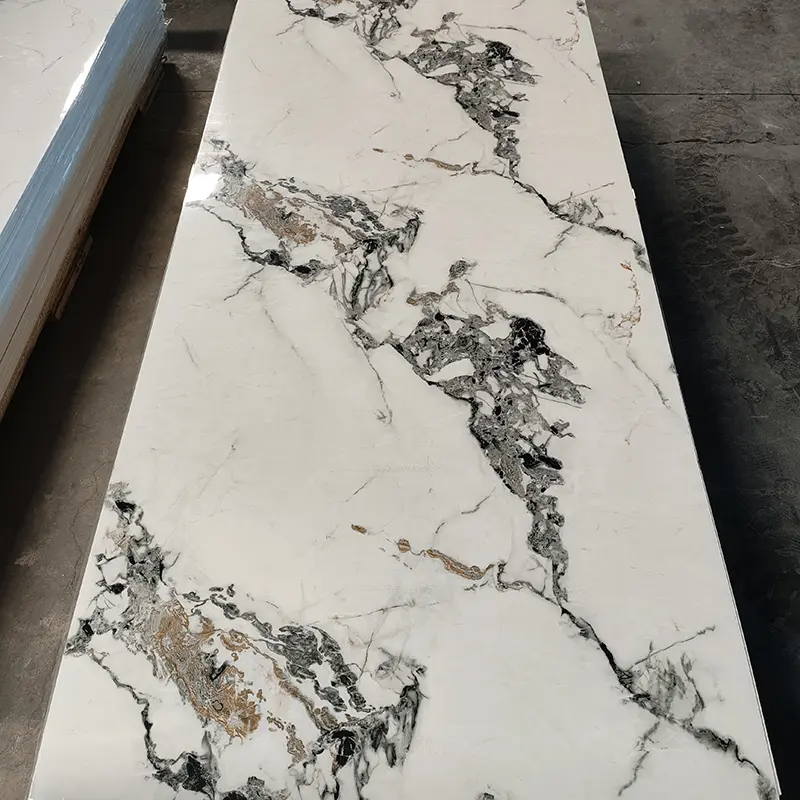
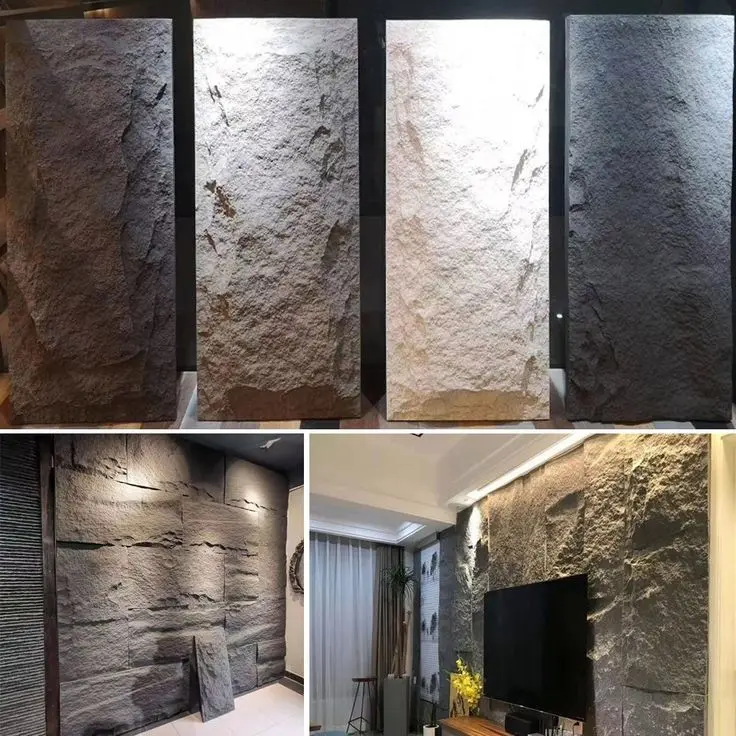
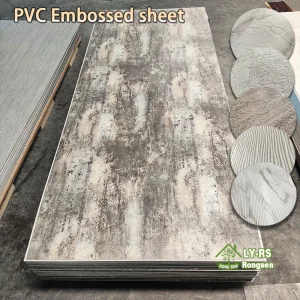
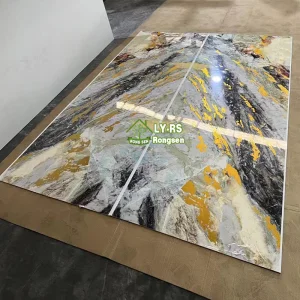
By leveraging advanced extrusion processes, manufacturers can match the premium textures of Calacatta marble, brushed metallics, and premium timbers at 15-25% of the total raw-material cost of traditional elements, drastically reducing CAPEX on large-scale commercial developments.
E-E-A-T Compliant Manufacturing
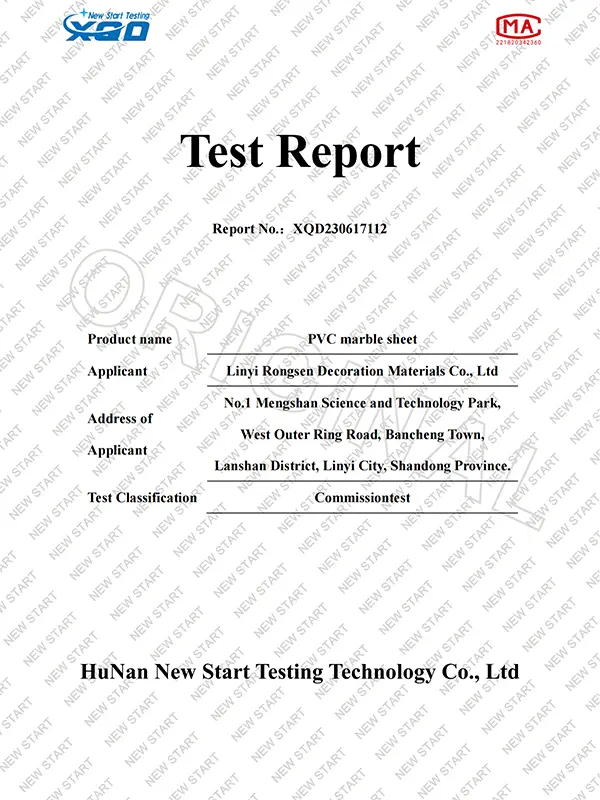
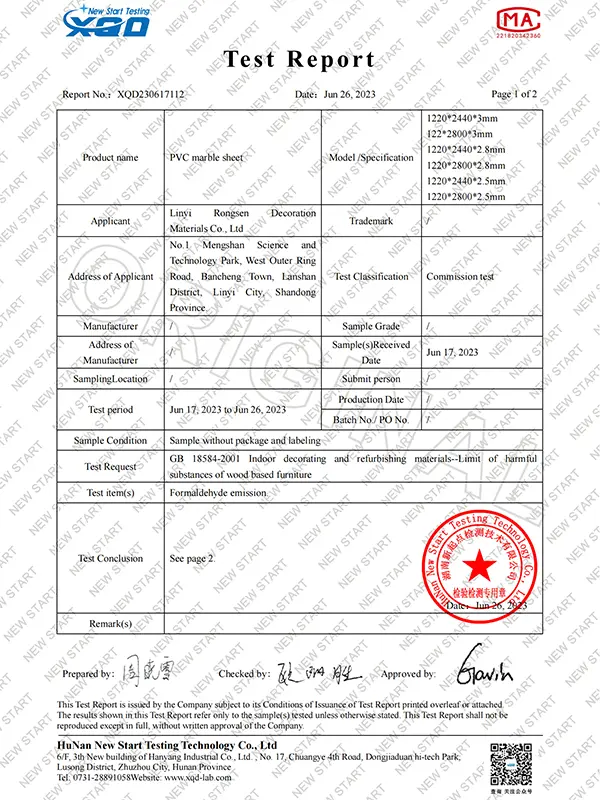
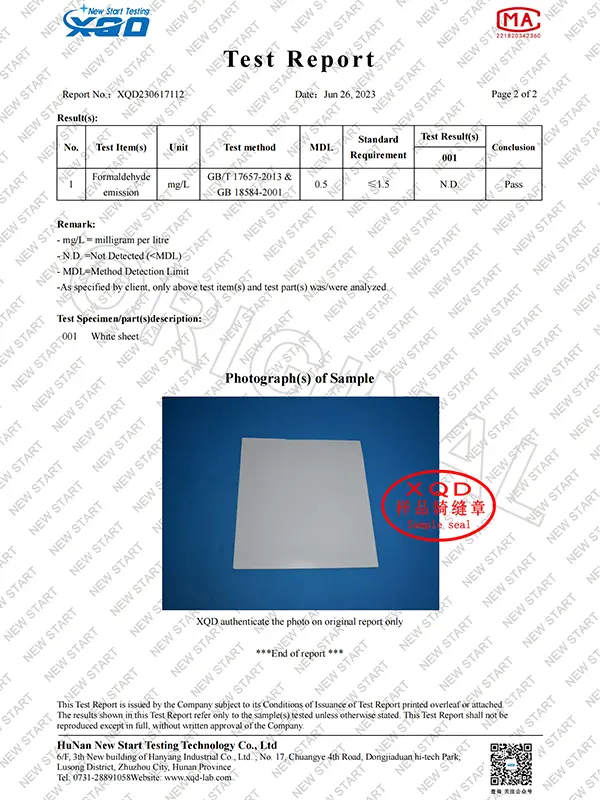
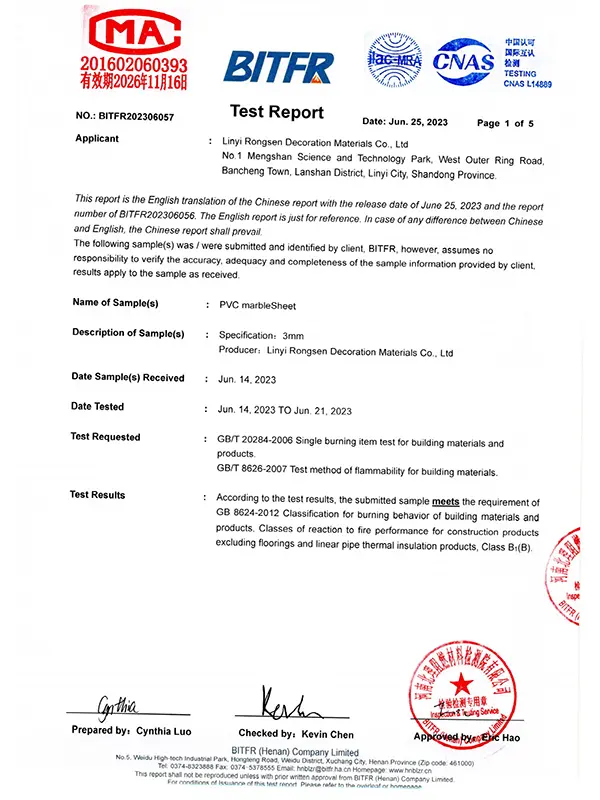
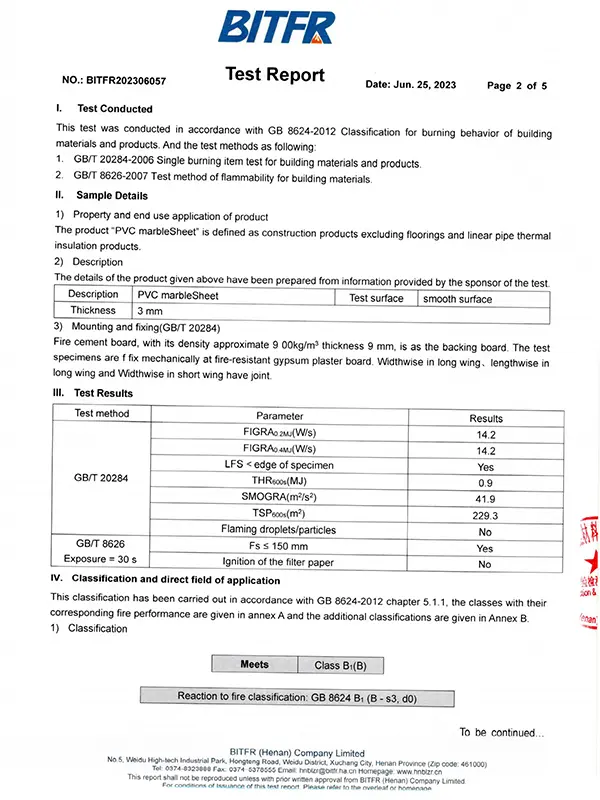
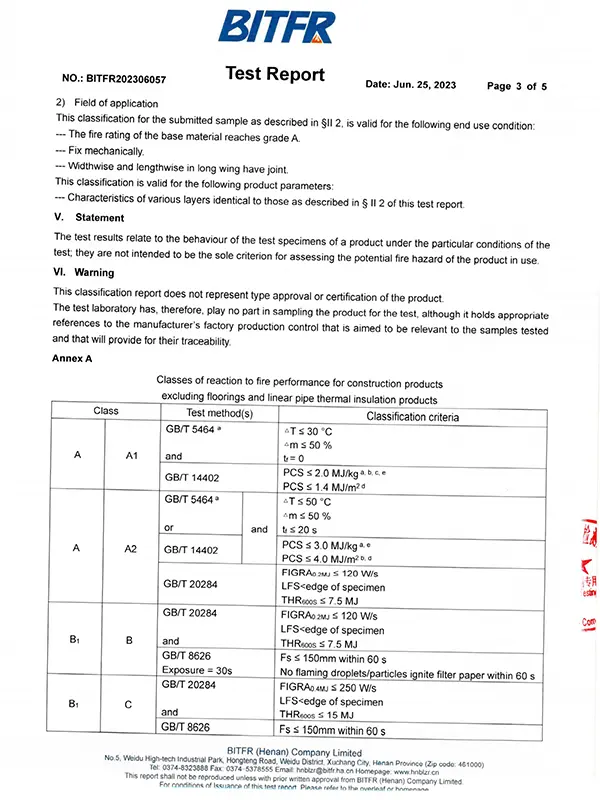
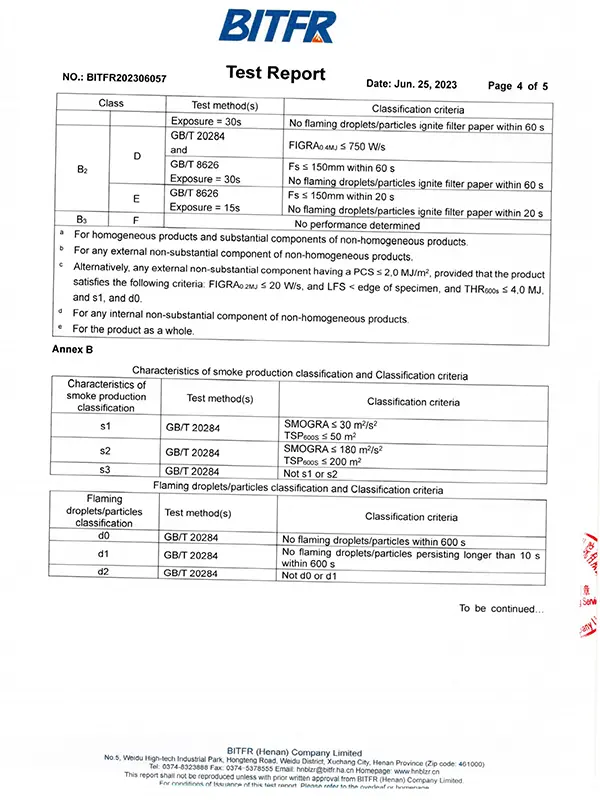
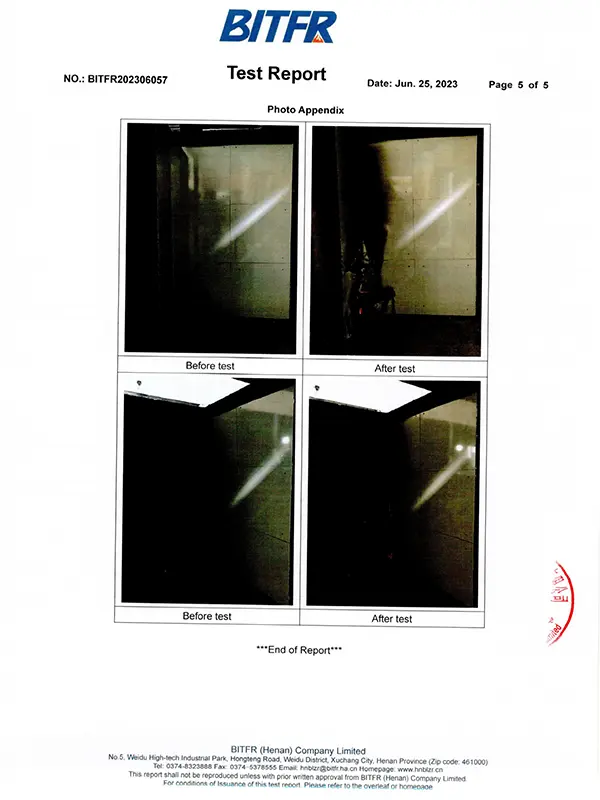
Our production protocols maintain ISO 9001 and ISO 14001 compliance. Standardized curing cycles and automated compound mixing ensure zero formaldehydes, a high fire-retardancy rating (B1 Class), and long-lasting mechanical properties that surpass standard municipal building codes.
Global Sourcing Dynamics & B2B Procurement Strategy
For B2B buyers—including regional distributors, real estate contractors, and hospitality design firms—procurement extends beyond unit cost. The primary objective is mitigating risks related to product consistency, container loading limits, and localized compliance certifications (such as CE, SGS, and ASTM).
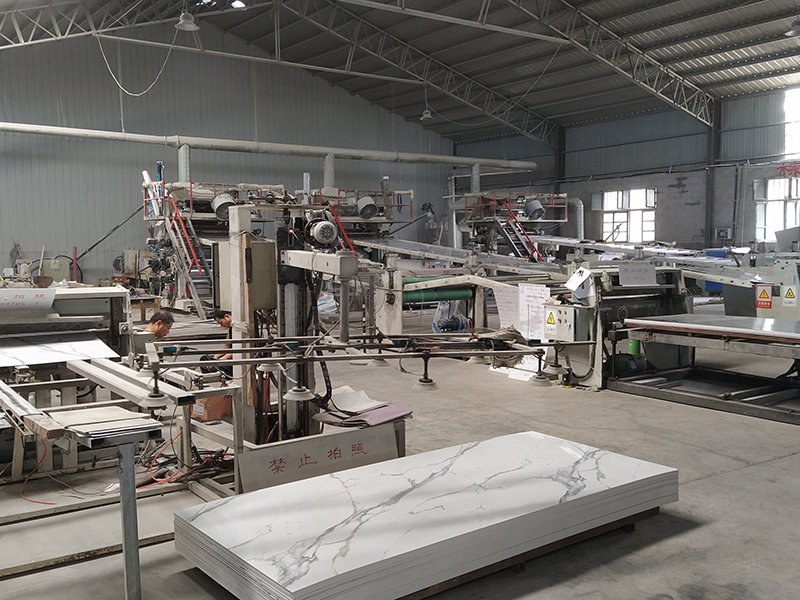
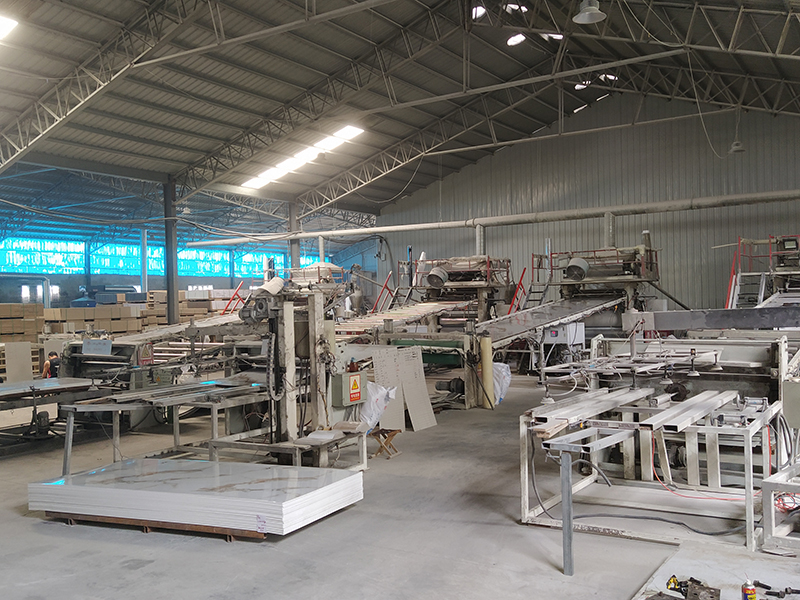
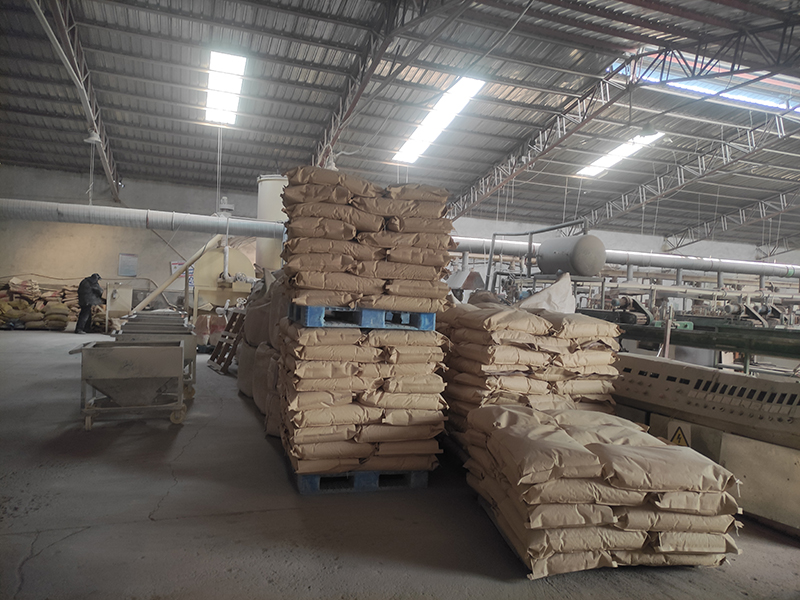
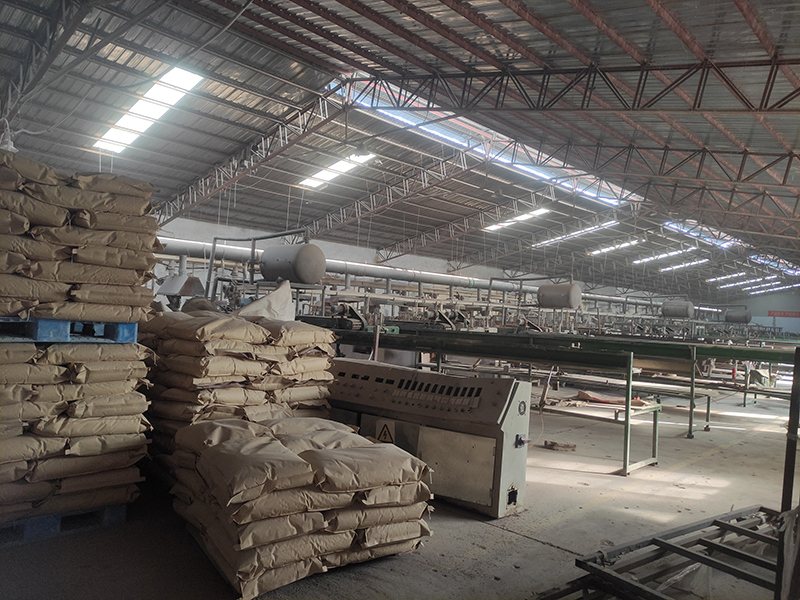
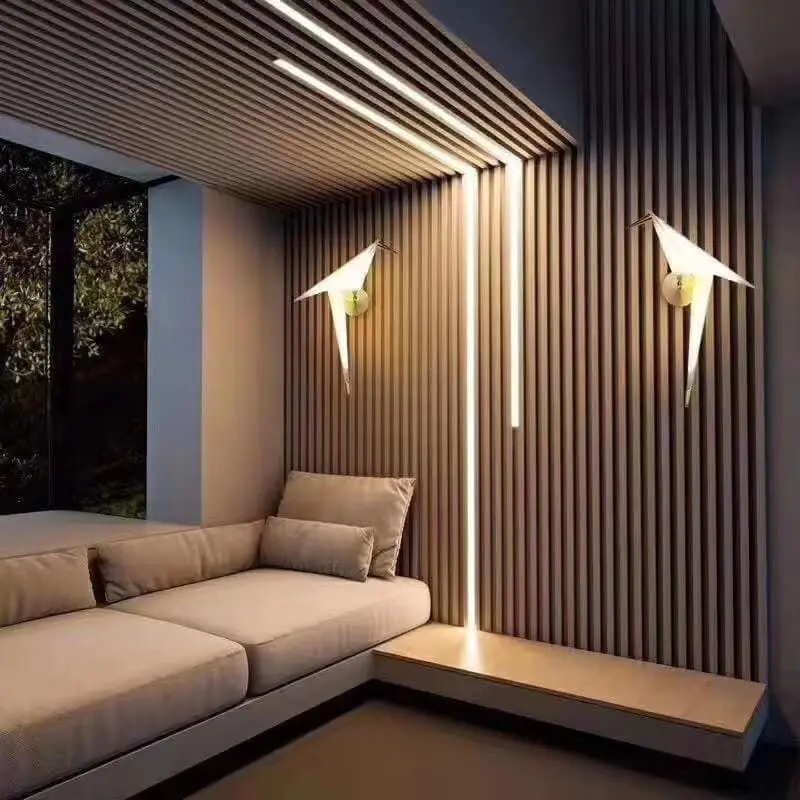
Through deep user intent mining, we recognize that importers seek partners with verified raw material sourcing. By utilizing a high-ratio compound of 58% calcium carbonate and 40% virgin PVC resins, our factory manufactures wall panels that minimize shipping damage and guarantee stable edge-trimming without chipping. This structural resilience allows for rapid routing, grooving, and cold-bending on site, reducing installation times by up to 50% compared to heavy stone slabs.