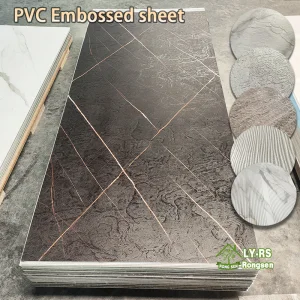
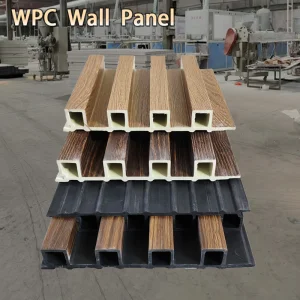
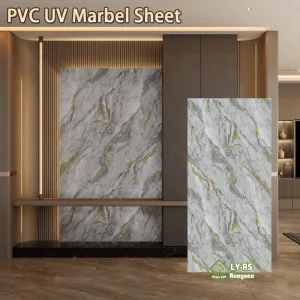
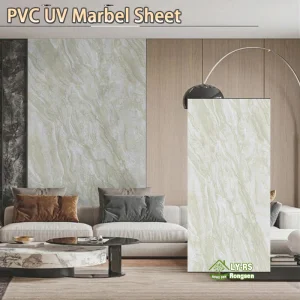
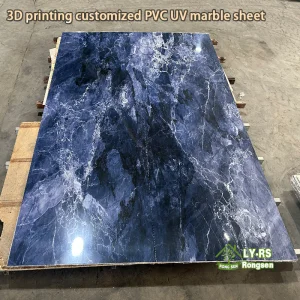
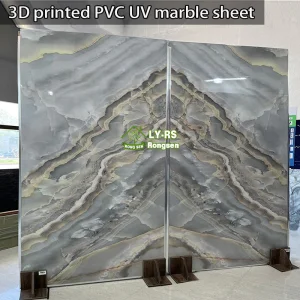
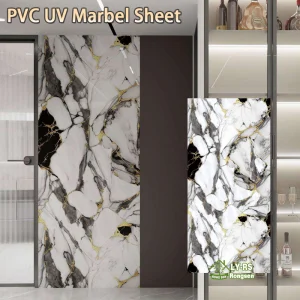
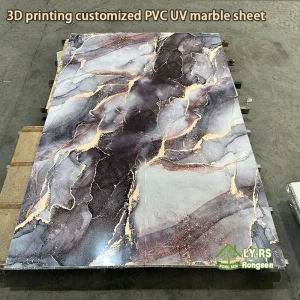
Explore our premium architectural panels engineered for modern commercial and residential environments. Combining structural integrity with cutting-edge UV curing technologies.
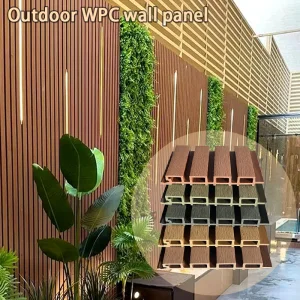
A Paradigm Shift in Modern Architecture and Heavy-Duty Surface Solutions
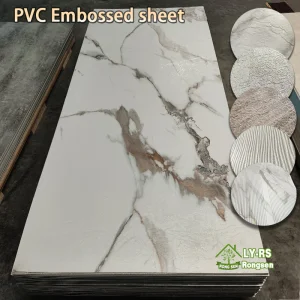
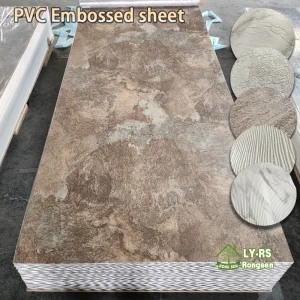
The global construction and architectural cladding industry is experiencing a profound transition from traditional masonry, timber, and heavy natural slabs to advanced lightweight polymer composites. Central to this evolution is the global demand for PVC UV Boards (also known as SPC sheets or PVC marble sheets). These boards are synthetic cladding panels manufactured from a mixture of high-grade polyvinyl chloride polymer resins and ultra-fine calcium carbonate powder. The surface is treated using a state-of-the-art Ultraviolet (UV) curing line, ensuring unparalleled glossiness, color depth, and surface protection.
In highly regulated economies—such as North America, the European Union, and the Middle East—builders and interior specifiers are shifting rapidly toward polymer cladding due to strict restrictions on natural stone quarrying and environmental footprints. Additionally, the labor-intensive nature of mounting real marble has made stone slabs economically prohibitive. PVC UV boards provide a highly competitive alternative. Weighing up to 80% less than stone and requiring no specialized wet-installation methods, they dramatically reduce transport emissions and on-site assembly costs.
Moreover, the modern commercial landscape requires high-frequency sanitation and extreme durability. Real stone is porous and prone to bacterial accumulation, acid etching, and structural cracking. In contrast, non-porous cured PVC UV boards are highly resistant to chemical cleaning agents, solvents, and physical impact. Consequently, they have become the primary choice for public spaces, medical institutions, hospitality lounges, and retail developments worldwide.
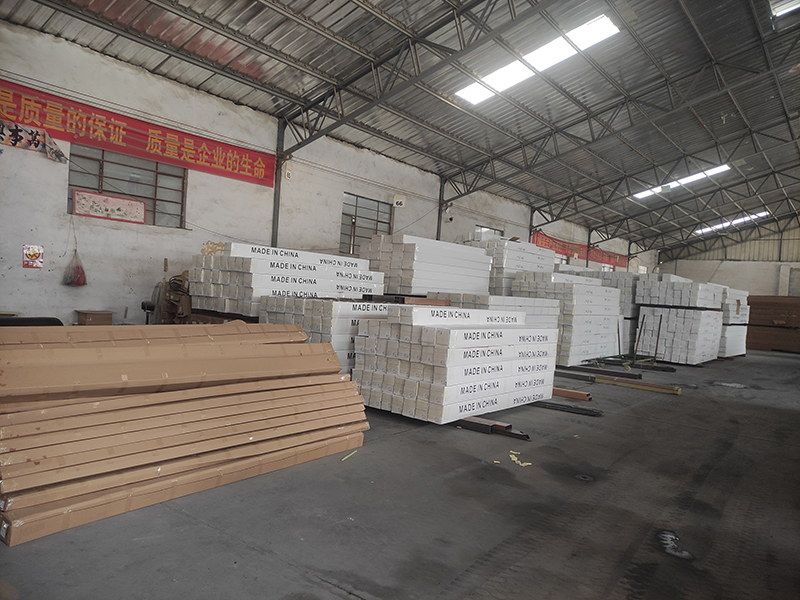
Understanding the polymer chemistry, UV photopolymerization, and multi-layered co-extrusion processing that define premium architectural sheets.
The manufacturing process begins by compounding 40% high-quality PVC resin with 58% ultra-fine calcium carbonate (CaCO₃) and 2% chemical stabilizers. This formulation ensures maximum density, impact tolerance, and thermal stability. The compound is fed into a heavy-duty twin-screw extruder under high temperature (approx. 180°C - 200°C) to shape the continuous solid-core SPC board, eliminating microscopic air pockets that compromise structural integrity.
Immediately after the core slab is extruded, a decorative architectural PVC layer is laminated onto it using an inline thermal bonding system. This pattern layer is printed using high-definition, multi-channel gravure machines that mimic natural marble, granite, timber grain, or custom architectural textures. Thermal lamination prevents adhesive degradation, ensuring the decorative pattern will not peel or delaminate over time.
The laminated board enters a closed ultraviolet (UV) chamber where multiple coats of specialized polyurethane varnish are applied. The board is then exposed to intense, high-energy UV light sources. This exposure triggers an instantaneous chemical cross-linking reaction (photopolymerization), converting the liquid monomers into a dense, fully cured, glass-hard protective layer. This UV coating seals the surface, providing stain resistance, UV light filtering, and a high-gloss finish.
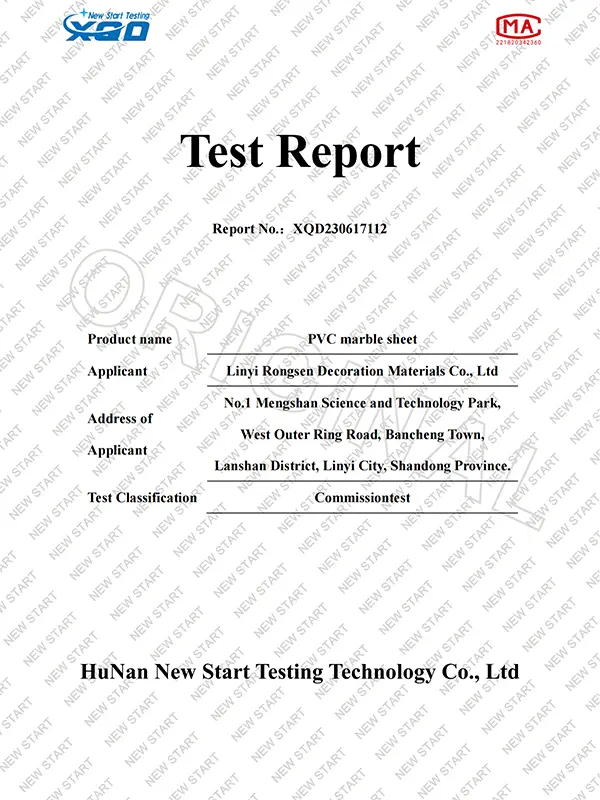
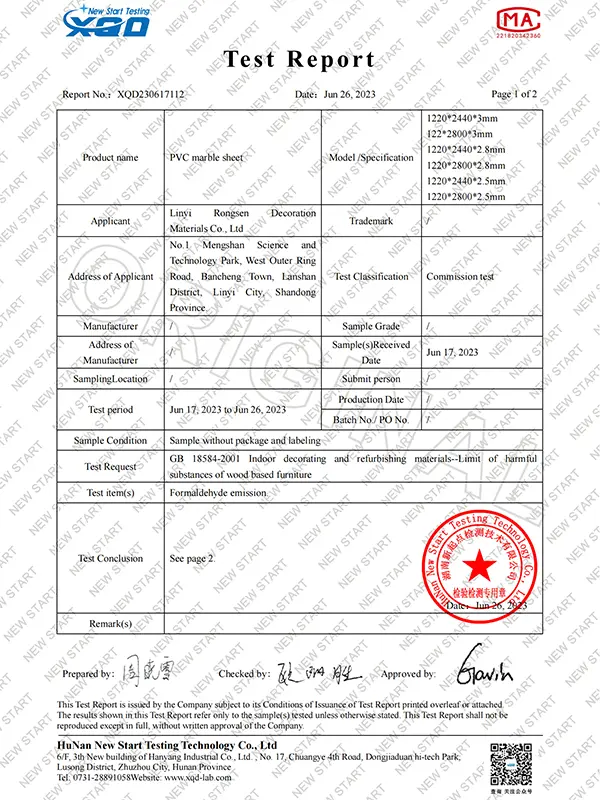
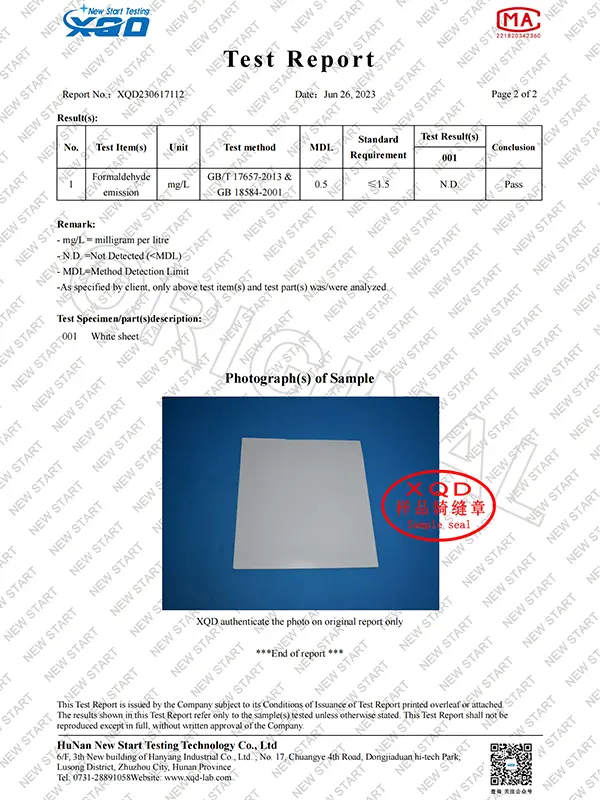
Our production process is engineered to adhere to strict international environmental regulations. Linyi Rongsen guarantees zero addition of recycled plastic waste or lead-based heat stabilizers during raw material compounding. All manufactured sheets release zero detectable Volatile Organic Compounds (VOCs) or formaldehydes upon curing, satisfying the strict requirements of indoor air quality tests such as GreenGuard Gold and CE certifications.
Analyzing key structural shifts, regulatory updates, and the technological roadmap for the wall panel industry.
Strategically Positioned to Deliver Cost-Optimized Supply Chain Solutions Globally
Linyi Rongsen Decoration Material Co., Ltd. is located in Linyi, Shandong Province, China. Linyi is known as the "Logistics Capital of China" and is strategically located near the port. Our strategic location provides us with unparalleled connectivity, and our proximity to major ports ensures seamless global connectivity. We capitalize on a local transport network to minimize lead times and control inland shipping expenses. This cost efficiency is passed directly to our international wholesale partners.
Our manufacturing complex houses advanced multi-layer extrusion lines, inline thermal lamination systems, and automated high-output UV curing chambers. From raw material compounding to final quality control checks and packaging, our entire production cycle is managed on-site. This enables us to maintain batch-to-batch consistency and offer flexible customization (OEM/ODM services) for density, thickness, panel size, and surface patterns.
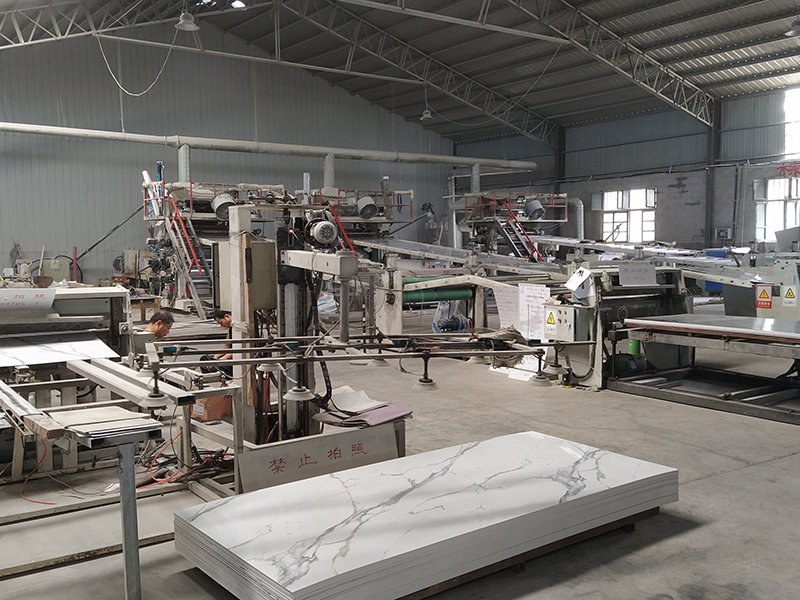
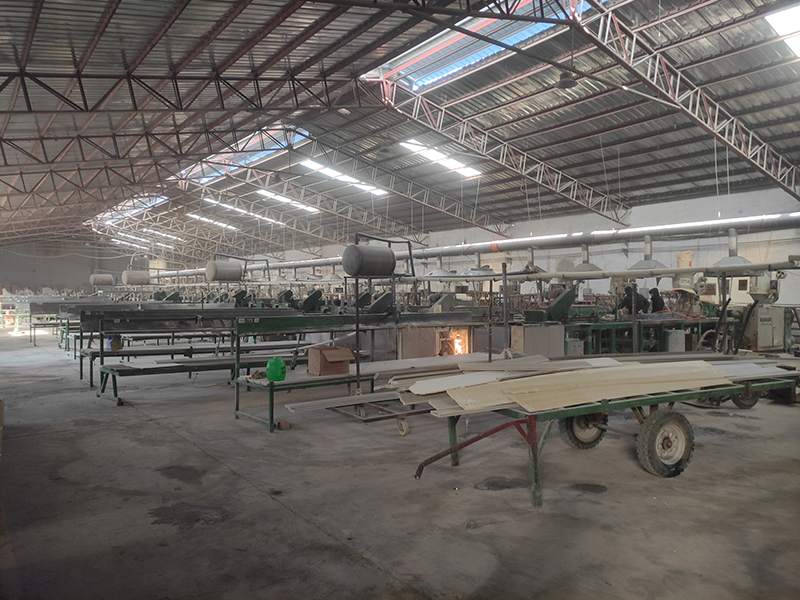
At Linyi Rongsen, our operations are guided by two fundamental principles: integrity and quality. These principles are the driving force behind our brand and our business relationships.
From sterile medical labs to high-traffic retail spaces, our panels are engineered to meet specific functional needs.
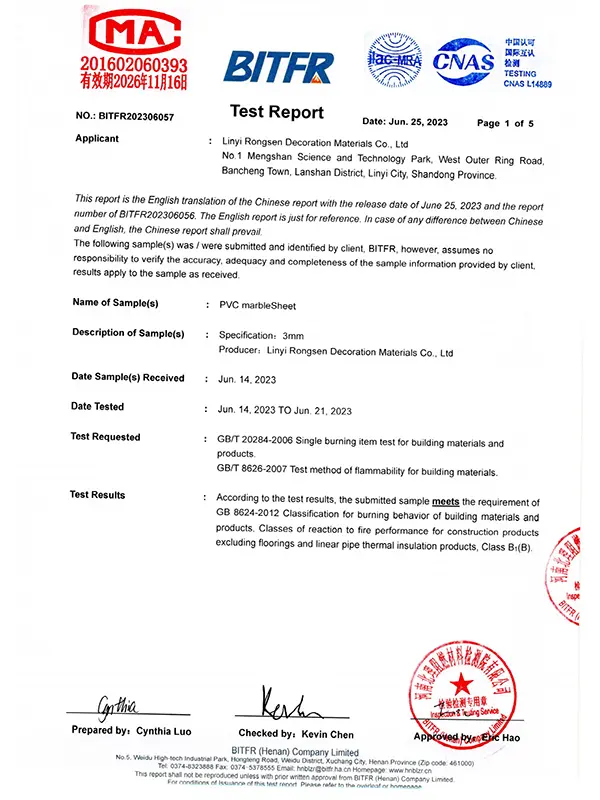
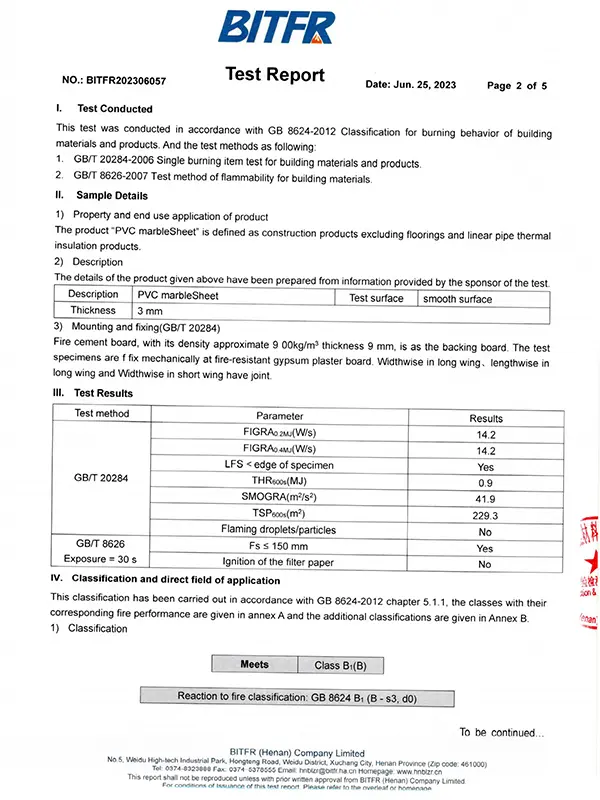
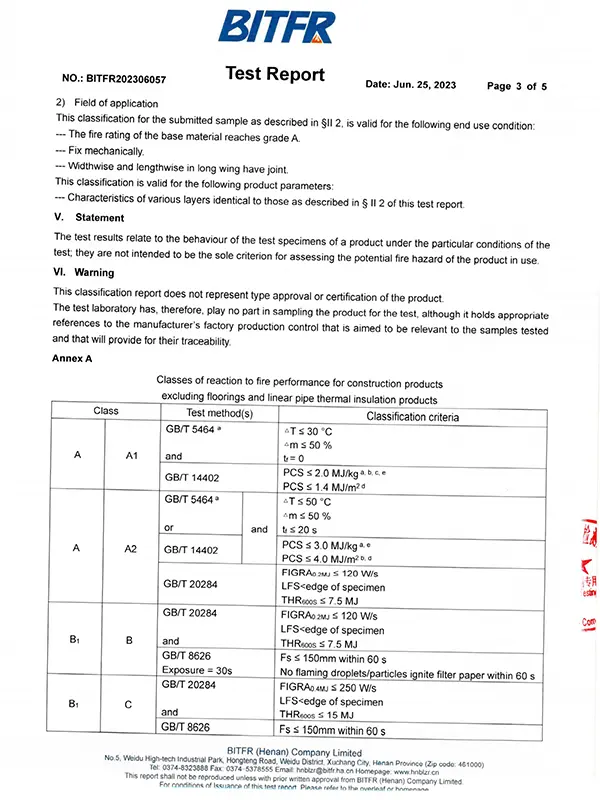
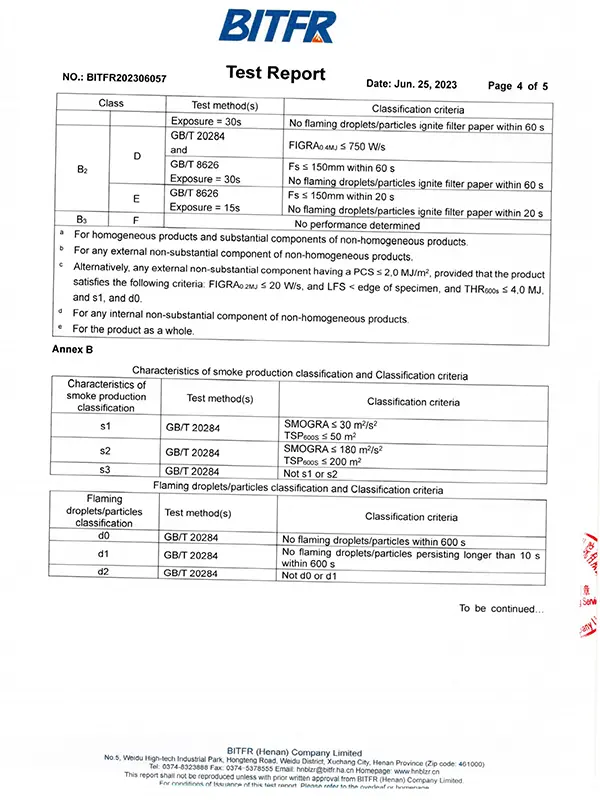
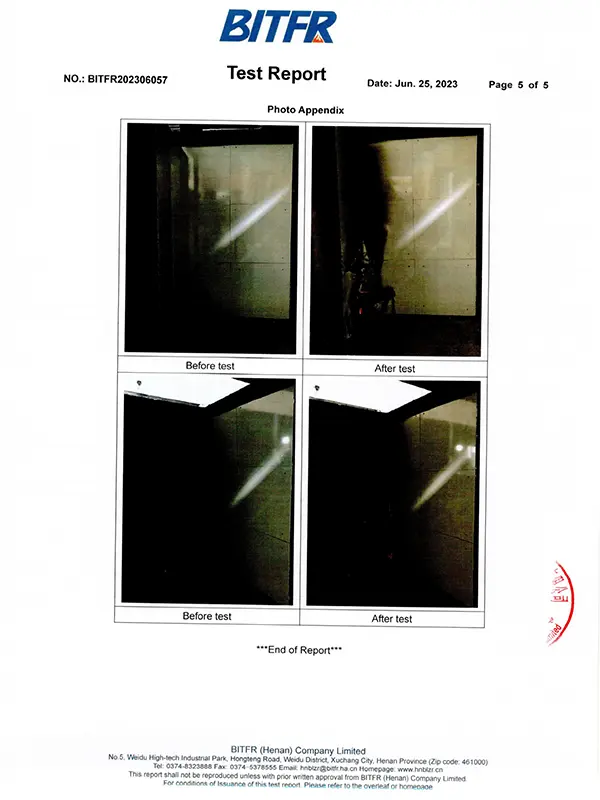
Our products undergo quality assessments to ensure compliance with global fire safety, environmental emission, and load-bearing standards.
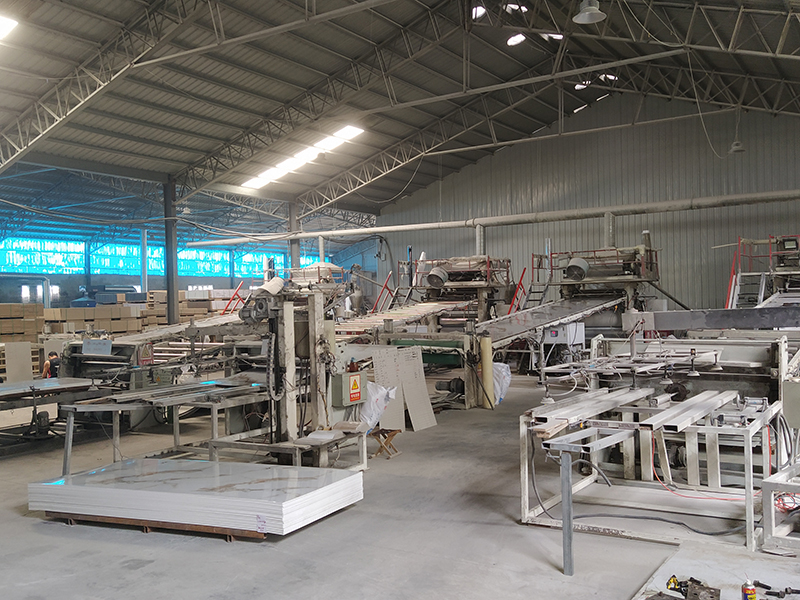
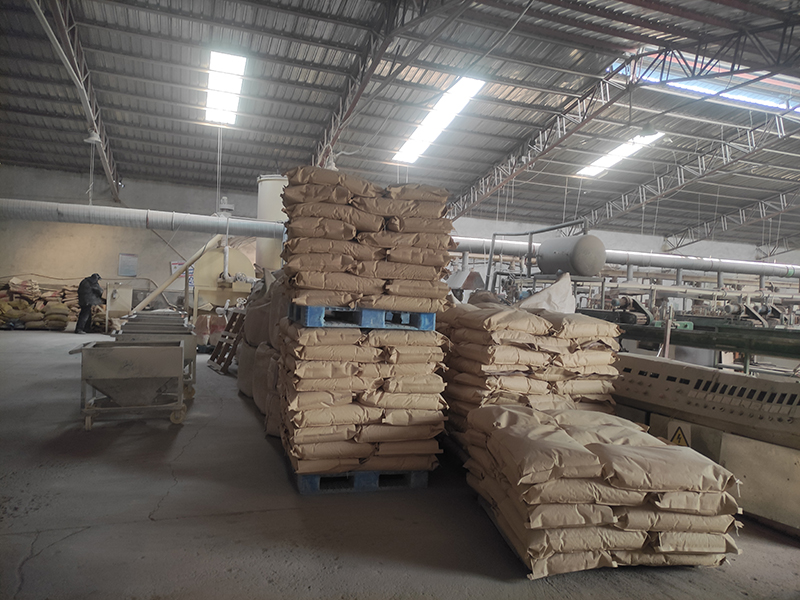
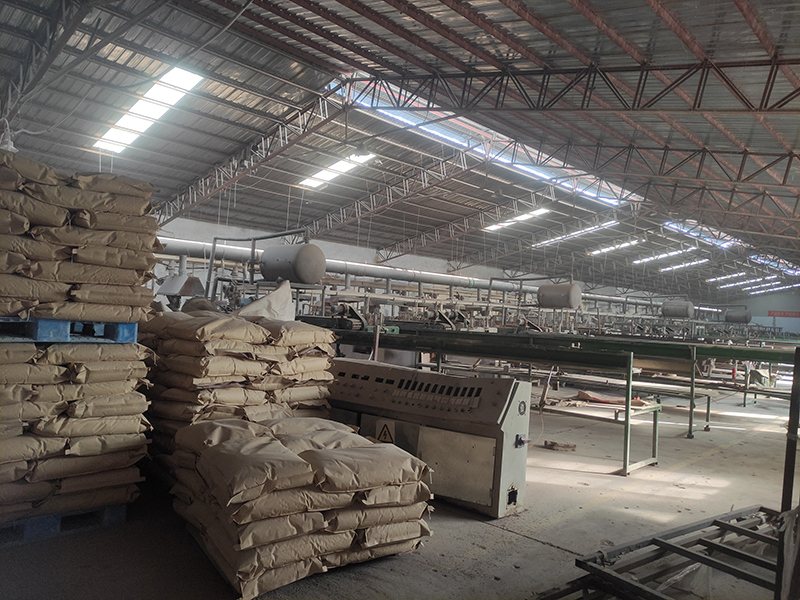
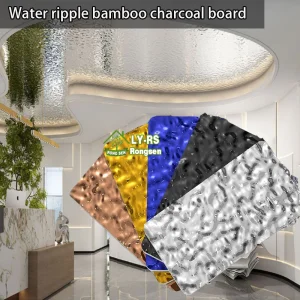
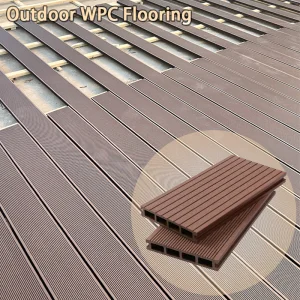
Discover our range of advanced external claddings, waterproof substrates, and decorative interior profiles engineered for demanding construction environments.
Addressing the technical, structural, and procurement inquiries most commonly raised by architects, contractors, and global buyers.
Connect directly with our engineering and foreign trade logistics offices to request technical data, physical samples, and custom container quotes.
Request immediate pricing estimates or order processing support:
+86 17861612516
+86 19715396916
Send your drawings, specifications, and volume requirements:
Visit our factory and logistics complex:
200 meters east of the intersection of Jinluo 4th Road and Xincheng 2nd Road in Jinluo Industrial Park, Bancheng Town, Lanshan District, Linyi City, Shandong Province, China.
 Rongsen