 Rongsen
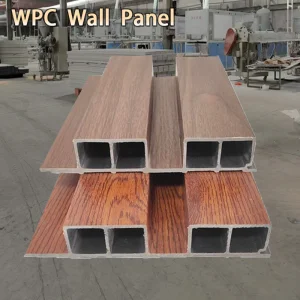
The Architectural Evolution: Carbon Fiber Carbonized WPC Panels
The global commercial real estate and construction sectors are undergoing a massive transition toward high-durability, low-maintenance, and eco-certified materials. Standard Wood Plastic Composites (WPC) have long served as reliable substrates; however, their susceptibility to thermal elongation, structural sagging over long spans, and moisture degradation under extreme environments has limited their application in heavy commercial projects.
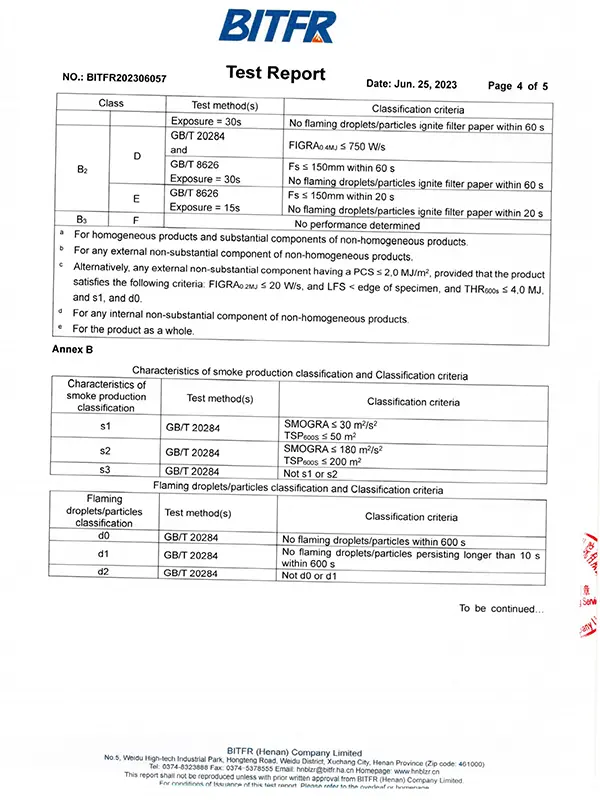
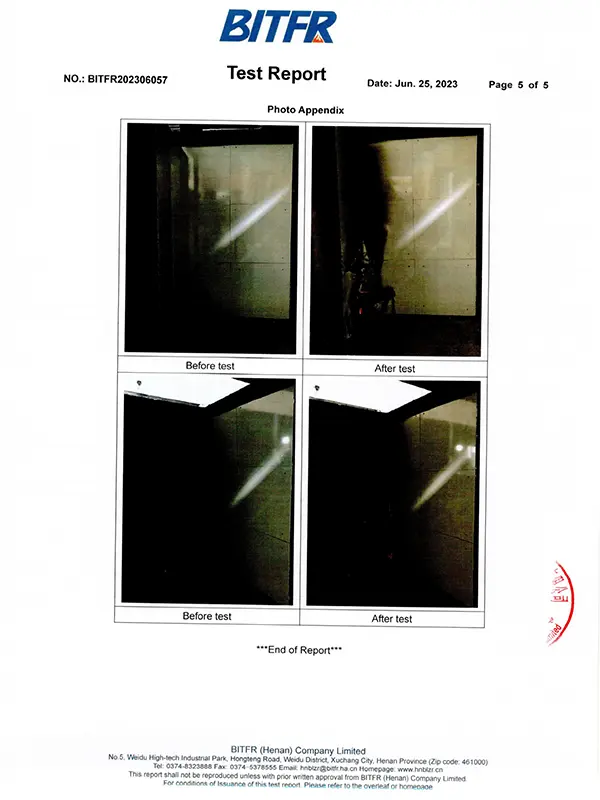
By integrating micro-nano carbon fiber reinforcements with carbonized bamboo charcoal structures, modern manufacturers have developed the Carbon Fiber WPC Panel. This composite matrix raises the bar of structural performance, introducing exceptional tensile strength, minimal thermal expansion coefficients, and advanced fire behavior classifications required by global project regulations.
Microstructure Engineering: Carbon Fiber & Bamboo Charcoal Matrix
1. Micro-Carbon Filament Integration
Chopped carbon fiber filaments (average length 2–5mm) are dispersedly extruded within the core polymer structure. These filaments create a microscopic reinforcing truss system that redistributes tensile stresses and prevents crack propagation during heavy load cycles.
2. Carbonized Bamboo Core
Utilizing high-temperature anaerobic pyrolysis, the organic bamboo fibers are carbonized into bamboo charcoal. This process produces a highly porous micro-structure that naturally absorbs volatile compounds, controls ambient indoor humidity, and prevents insect colonization.
3. Premium Co-Extrusion Capping
Our panels feature an ultra-dense, hydrophobic co-extrusion outer layer formulated with UV-stabilized engineered polymers. This shell guards against scratching, fading under prolonged UV exposure, and moisture ingress in high-humidity areas.