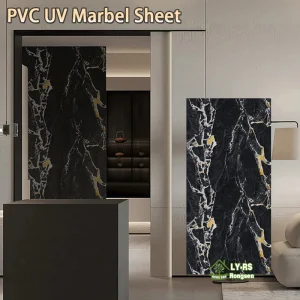
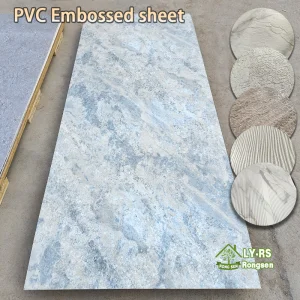
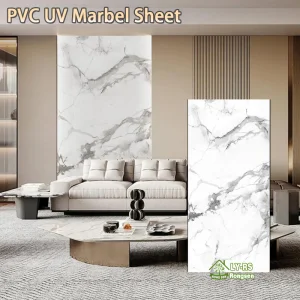
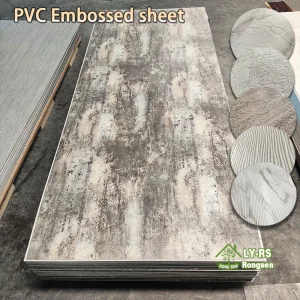
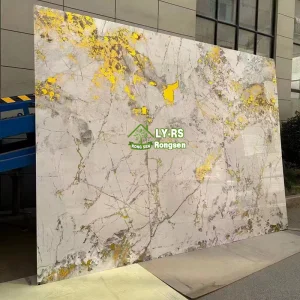
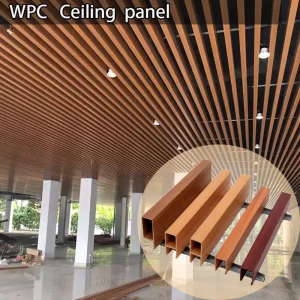
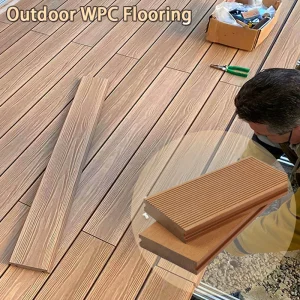
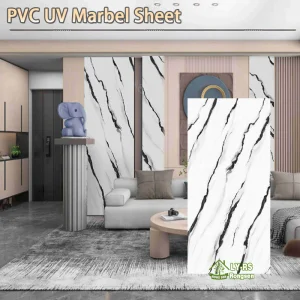
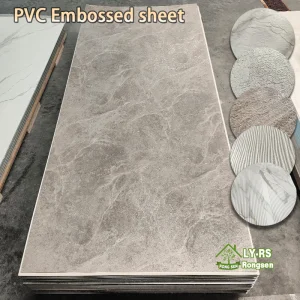
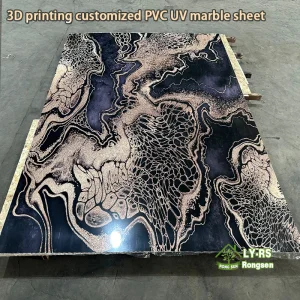
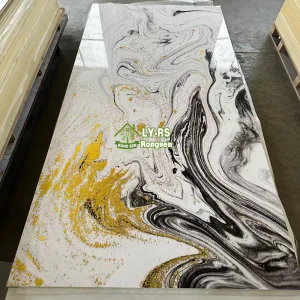
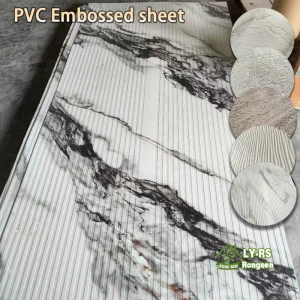
Explore our elite portfolio of high-gloss UV panels, SPC substrates, embossed architectural sheets, and sustainable outdoor decking engineered to meet global standards.
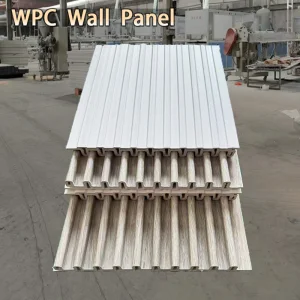
In modern architectural design, the request for premium, cost-effective, and highly durable surface materials has led to a paradigm shift. Real marble, while aesthetically unmatched for centuries, poses significant challenges: extreme weight, high material and labor costs, environmental degradation through intensive quarrying, and susceptibility to staining and chemical erosion. Traditional high-pressure laminates (HPL) often lack the deep, translucent luster and dimensional texture of natural stone.
This is where the 3D Painting UV PVC Marble Sheet emerges as the definitive solution. By fusing structural polymer engineering with high-fidelity digital imaging, manufacturers have created an architectural cladding material that offers the luxury of premium marble with advanced mechanical and chemical protection.
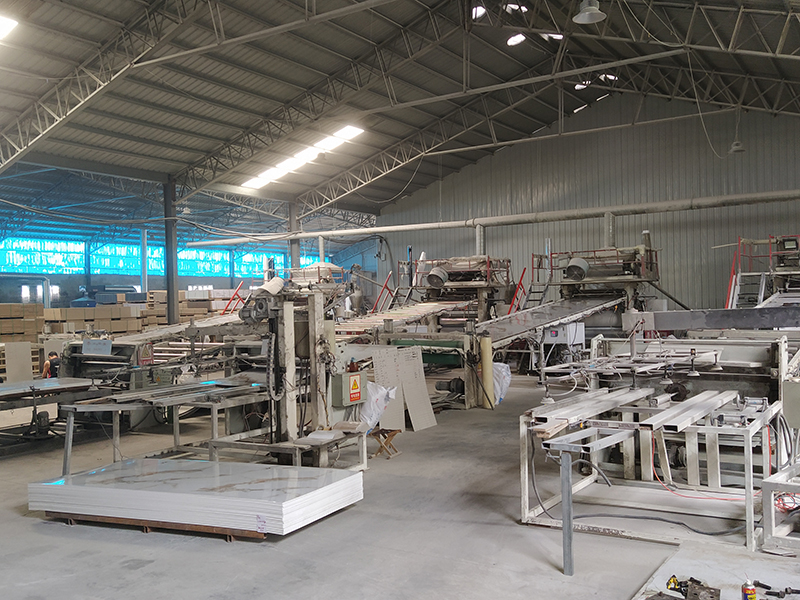
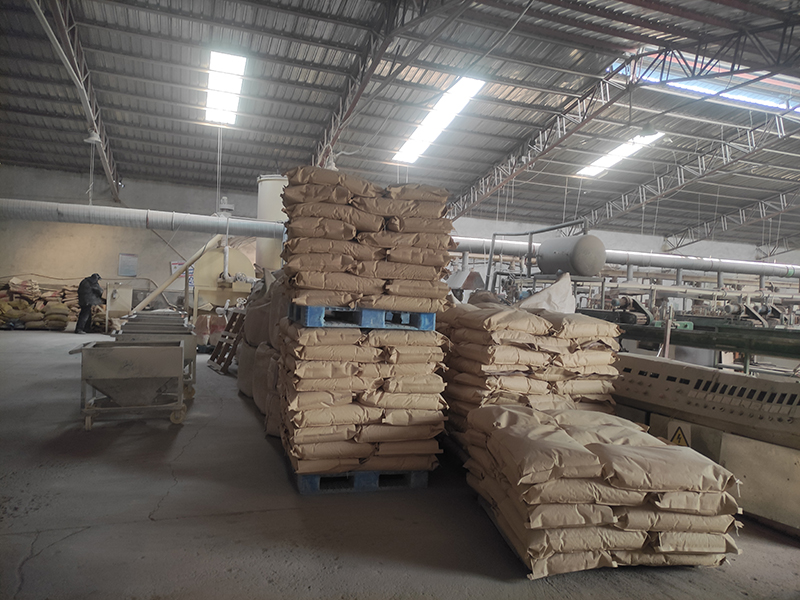
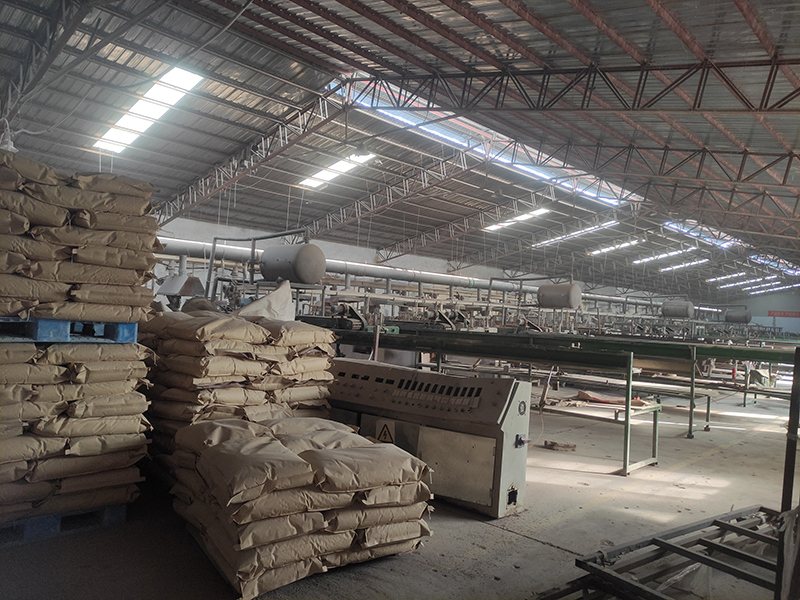
The manufacturing process relies on sophisticated industrial extruders that mix PVC (Polyvinyl Chloride) resin with natural calcium carbonate (limestone powder) at ratios optimized for dimensional stability and impact resistance. Following sheet extrusion, the substrate undergoes a multi-pass process:
Architects, civil engineers, and commercial building contractors require strict technical performance data to qualify interior cladding products. The structural integrity of a 3d Painting UV PVC Marble Sheet is characterized by its layer-by-layer composition:
Provides a high-gloss protective barrier (up to 95-100% gloss levels) or matte anti-fingerprint surface. Acts as a shield against ultraviolet degradation, preventing fading and yellowing over extended lifespans.
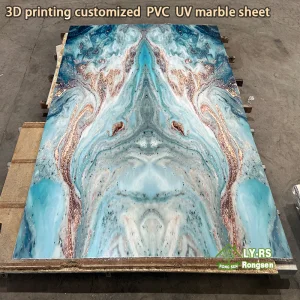
Utilizes precision inkjet nozzles to replicate the organic flow of marble veins, granite crystals, or custom landscape murals. The inks are cured directly by UV rays to prevent bleeding, smudging, or delamination.
Composed of 40% high-grade PVC resin, 58% ultra-fine calcium carbonate powder (CaCO3), and 2% chemical stabilizers. This ratio balances flexibility and rigidity, preventing cracking during cutting and installation.
Our standard manufacturing specification matrix conforms to international interior wall panel benchmarks:
| Technical Metric | Standard Specification | Testing Criteria / Certification |
|---|---|---|
| Dimensions | 1220 x 2440 mm (4ft x 8ft) | Custom lengths up to 3000 mm | Standard Tolerance Check (±0.5mm) |
| Thickness Options | 2.5mm, 2.8mm, 3.0mm, 3.5mm, 4.0mm | Thickness Caliper Verification |
| Density | 1.9 - 2.1 g/cm³ | ASTM D792 Specific Gravity |
| Flame Retardancy | Class B1 (Self-extinguishing within 5 seconds) | EN 13501-1 / GB/T 8624 |
| Formaldehyde Emission | 0.0 mg/L (E0 Grade compliant) | EN 717-1 environmental safety |
| Water Absorption | < 0.1% (Immersion testing for 72 hours) | ISO 62:2008 Standard |
When selecting a manufacturing partner, geographic location and logistical infrastructure are as critical as product quality. Linyi Rongsen Decoration Material Co., Ltd. is strategically based in Linyi City, Shandong Province, China. Linyi is recognized as the "Logistics Capital of China," serving as a hub for land, rail, and maritime freight networks.
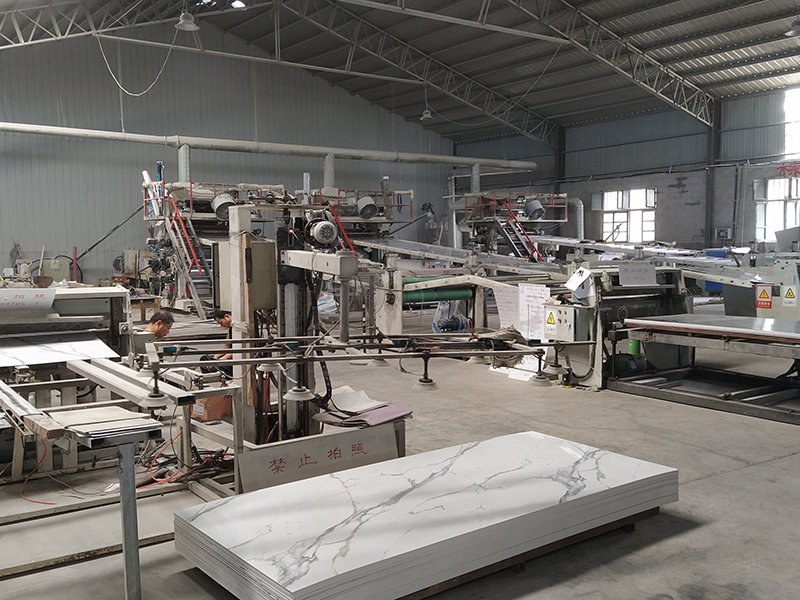
Our facilities run modern extrusion lines, enabling high-volume output with consistent quality.
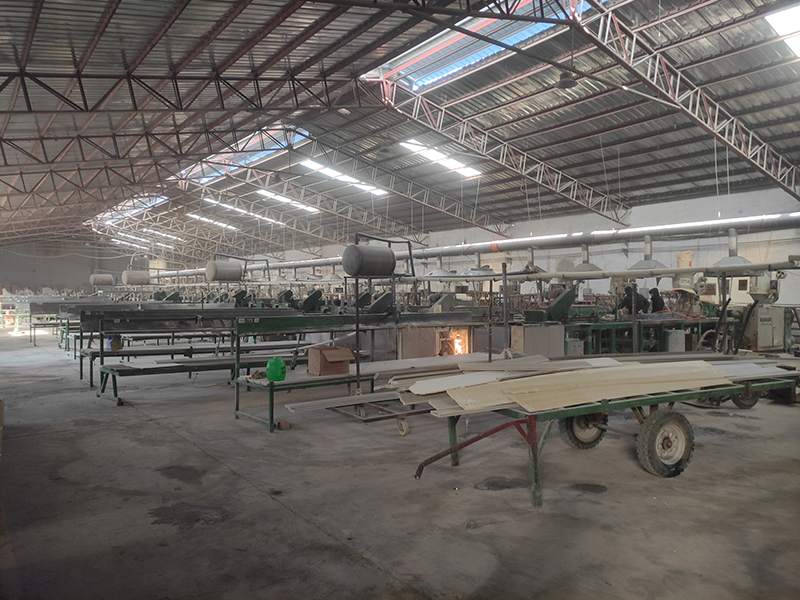
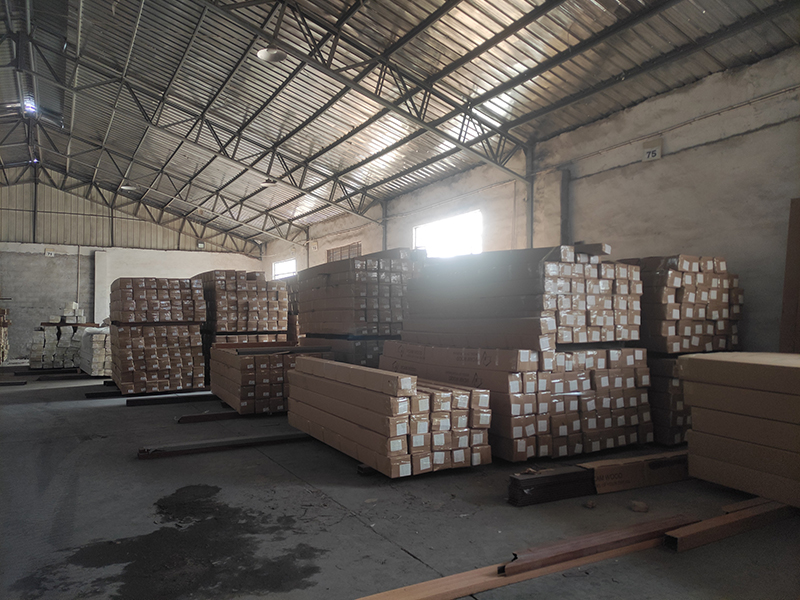
Proximity to Qingdao Port and Linyi's inland shipping routes ensures timely dispatch to international ports.
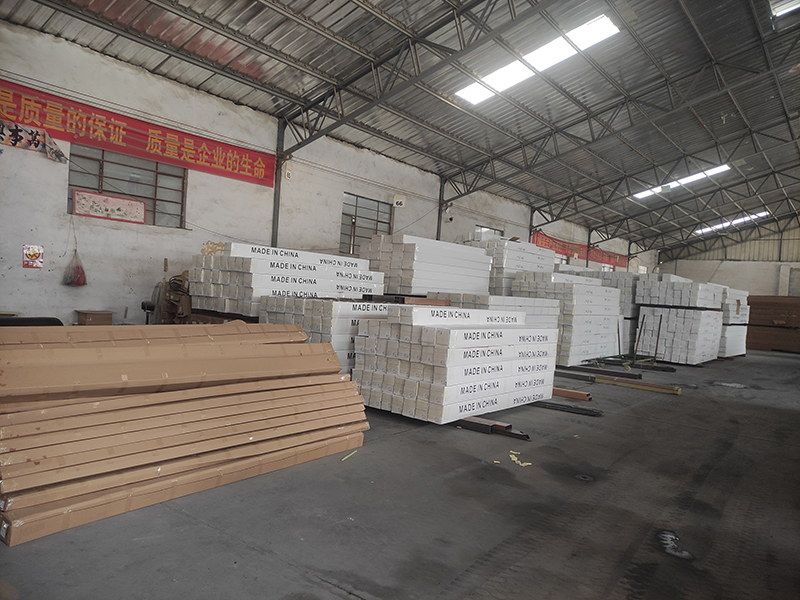
Strict input-output verification ensures every batch meets target mechanical properties and gloss levels.
Our proximity to major regional deep-water shipping terminals—most notably Qingdao Port and Lianyungang Port—enables us to streamline the global supply chain, minimize local container handling costs, and secure competitive ocean freight rates for our wholesale buyers. At Linyi Rongsen, our manufacturing philosophy is built on five pillars:
The global construction industry is shifting toward materials that support prefabricated installation and sustainable building certifications. This trend is driven by three main factors:
Rising on-site labor costs have driven demand for lightweight, dry-installed wall panels. Traditional wet-plastering and tiling processes are time-consuming and require skilled labor. PVC marble sheets can be cut with standard hand tools and adhered directly to walls using silicone-based structural adhesives, reducing project completion times by up to 70%.
Standardized patterns are no longer sufficient for high-end hospitality and custom commercial spaces. 3D printing technology allows designers to supply high-resolution digital files (TIFF, PSD, PDF) to create custom feature walls, corporate branding backdrops, or bespoke stone reproductions with zero plate-making setup fees.
Modern building regulations, such as LEED (Leadership in Energy and Environmental Design) and BREEAM, require low formaldehyde emissions. Unlike real marble (which can emit radon gas) and MDF panels (which may contain urea-formaldehyde glues), our SPC/PVC marble sheets are free from asbestos, volatile organic compounds, and heavy metal additives.
The versatility of 3D painting UV PVC sheets makes them suitable for a wide range of interior environments. Key application scenarios include:
Hotels, KTV clubs, lounges, and restaurant lobbies utilize high-gloss 3D painting panels to create accent walls that stand up to high foot traffic and regular cleaning.
Corporate lobbies, elevator shafts, and meeting rooms benefit from lightweight stone-effect panels that simplify structural load calculations.
Bathrooms, kitchens, and underground shopping corridors use the moisture-resistant properties of PVC-limestone cores to prevent mold growth and bubbling.
For optimal results, we recommend the following installation method:
As a global supplier, Linyi Rongsen ensures our manufacturing facility and products comply with international testing parameters, verified by leading inspection bodies.
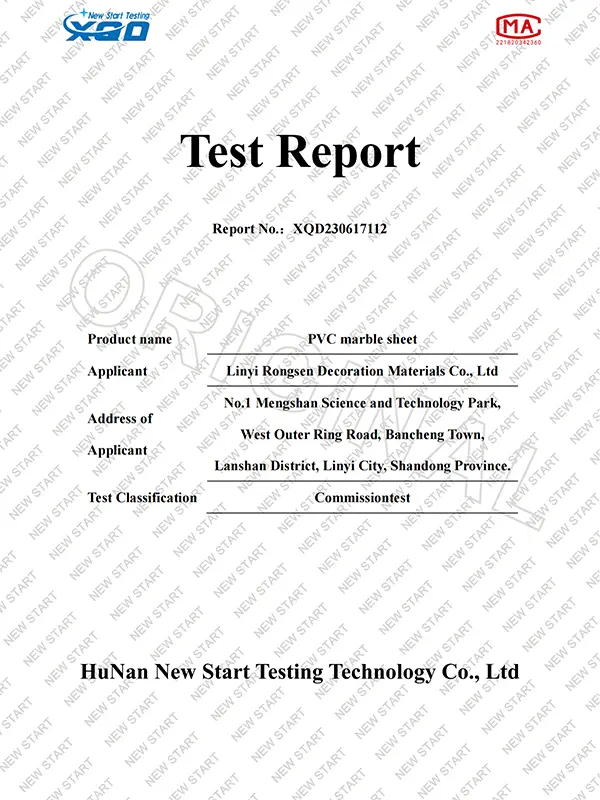
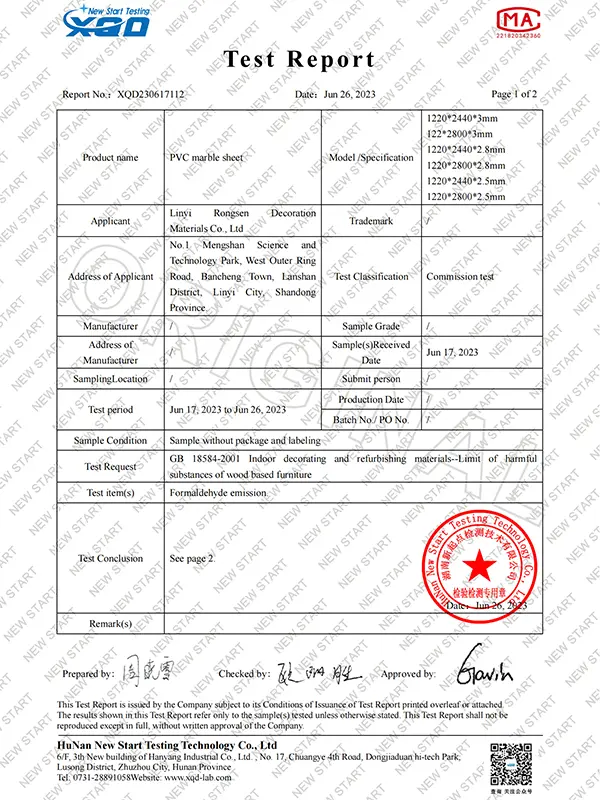
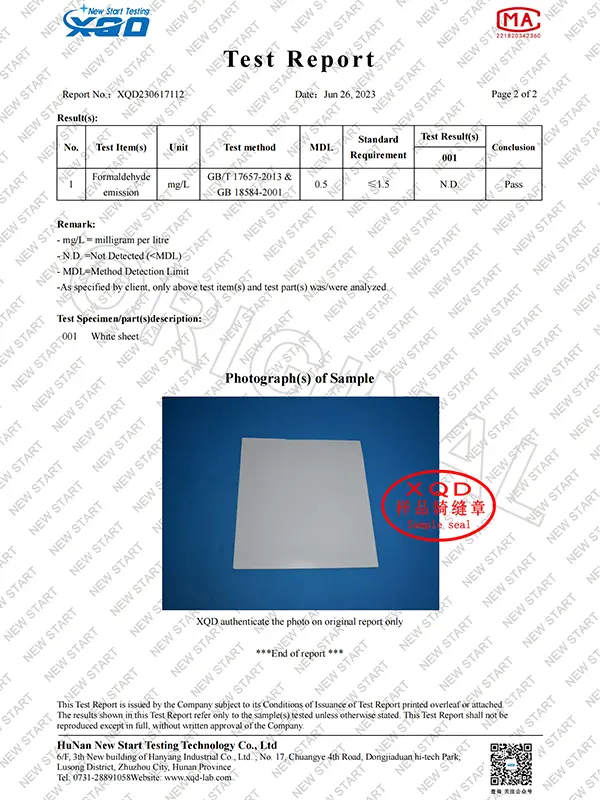
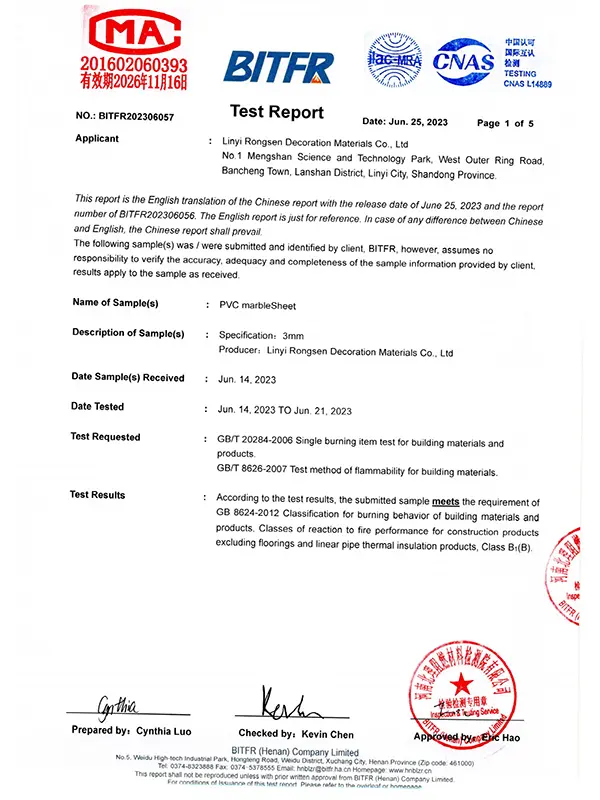
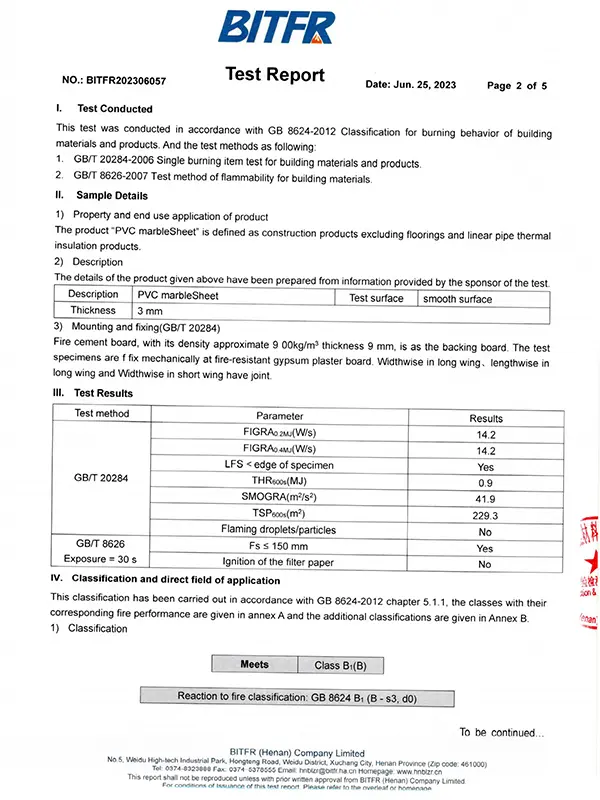
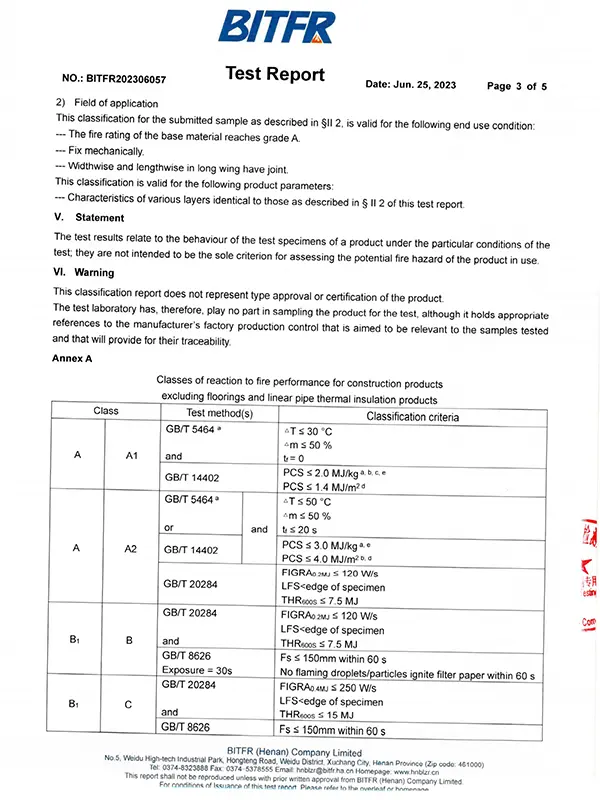
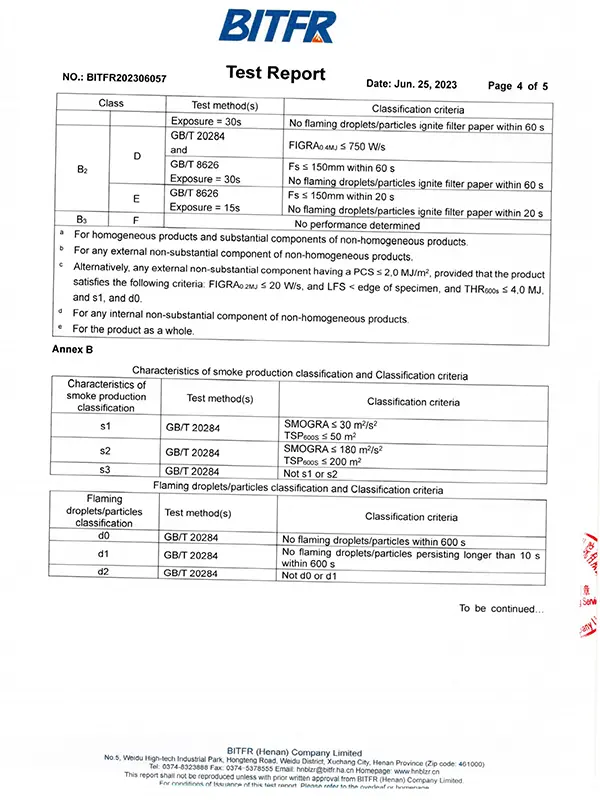
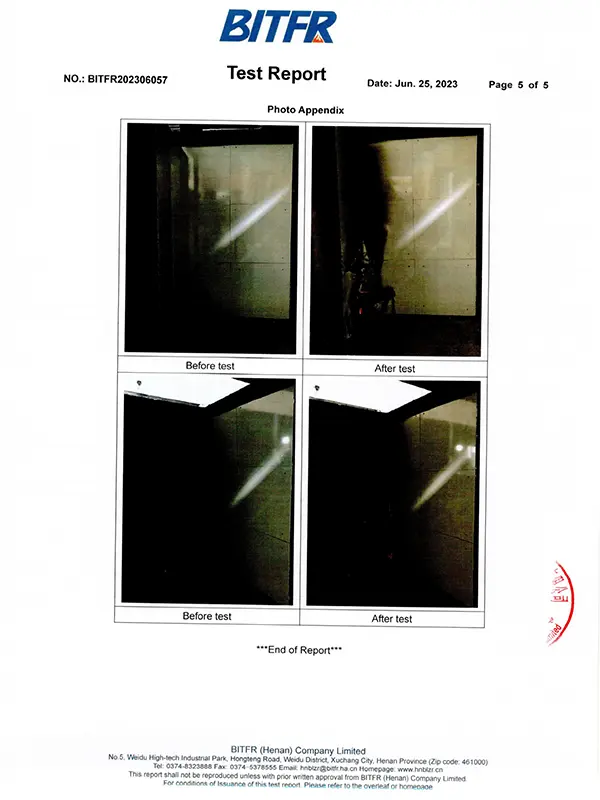
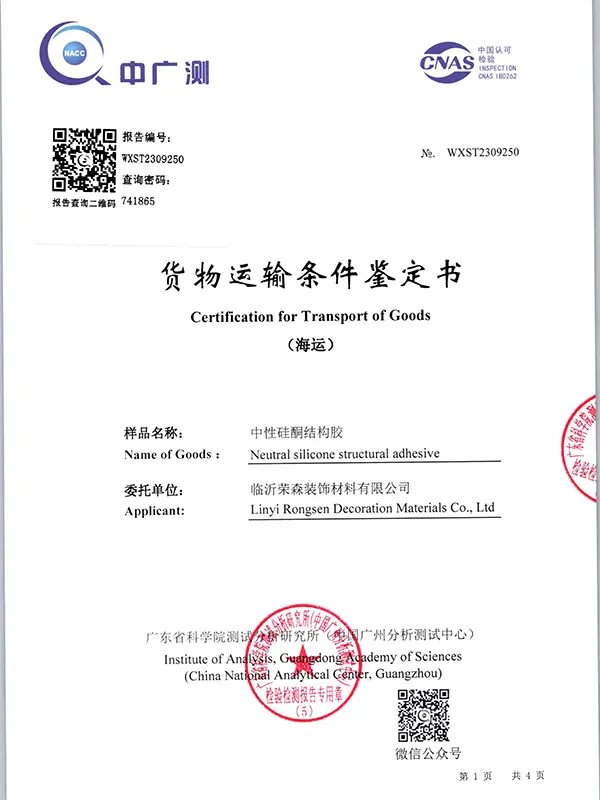
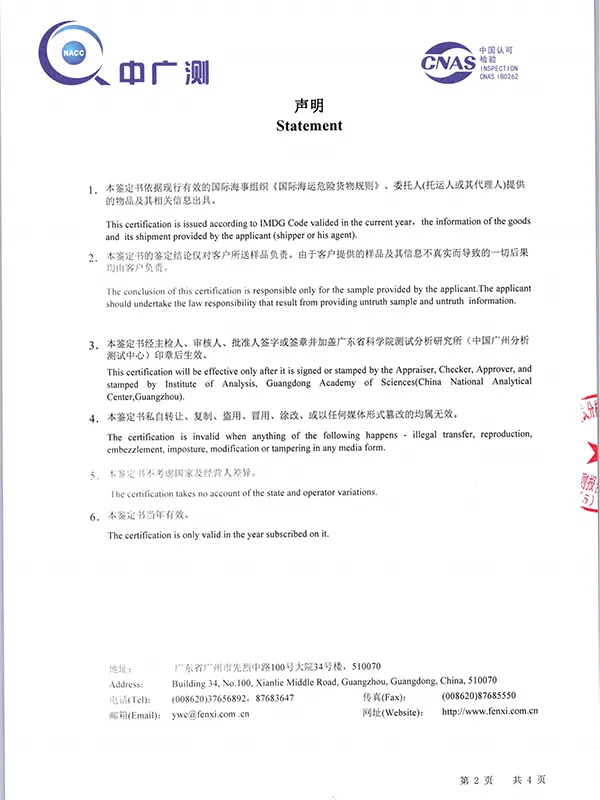
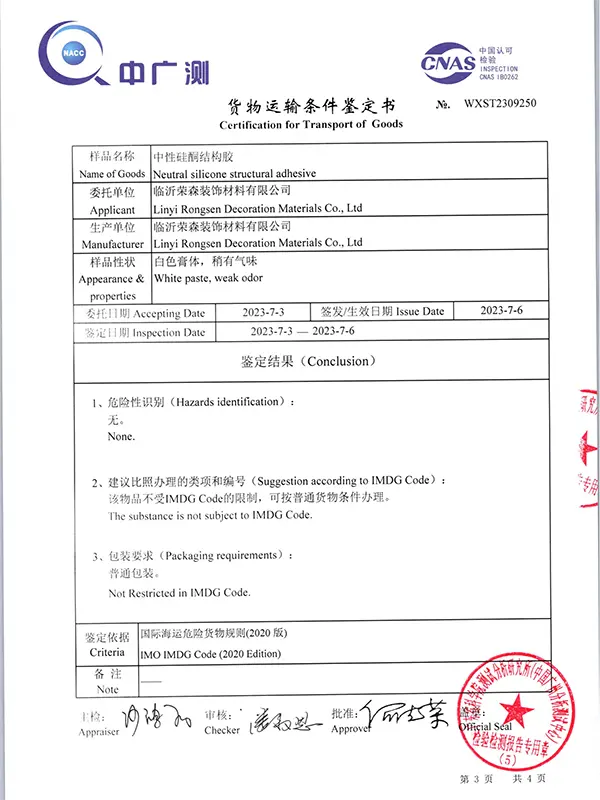
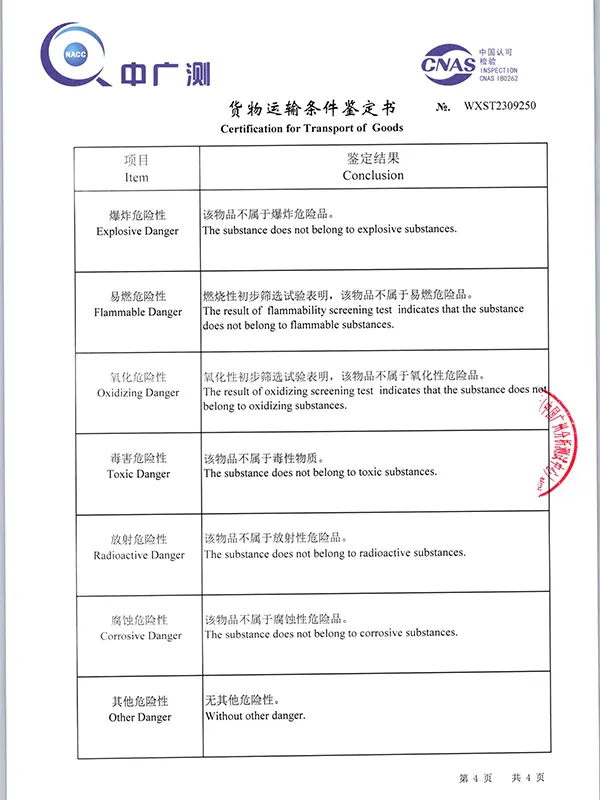
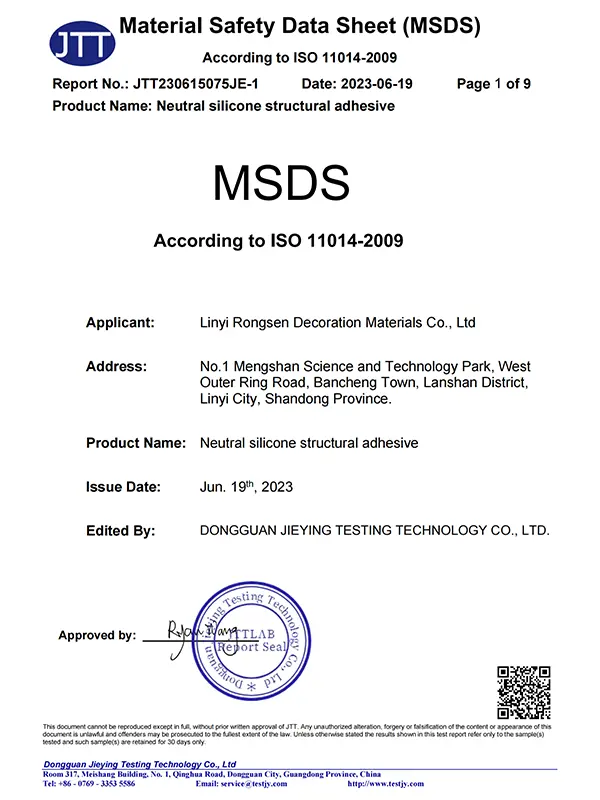
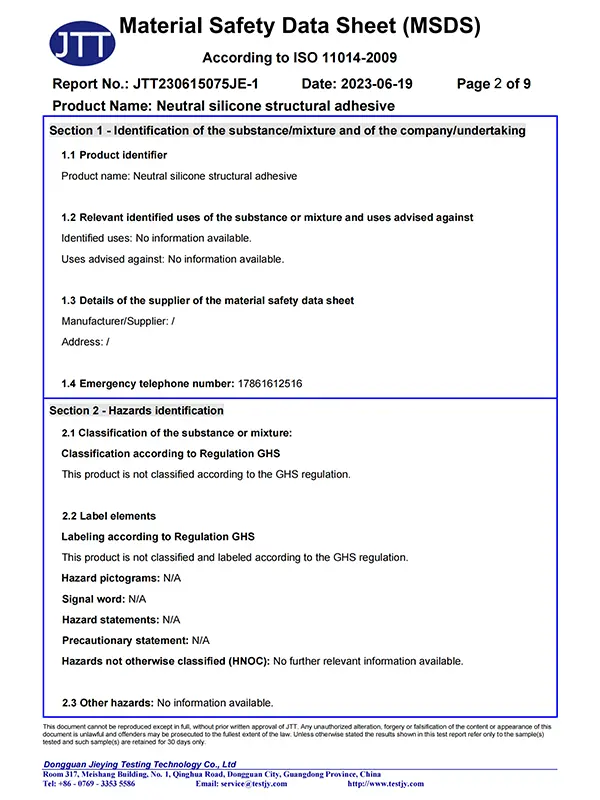
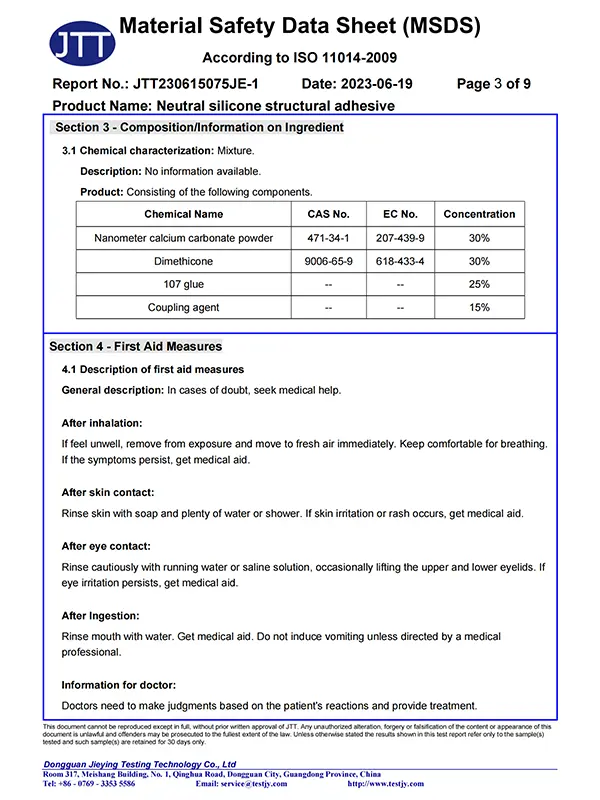
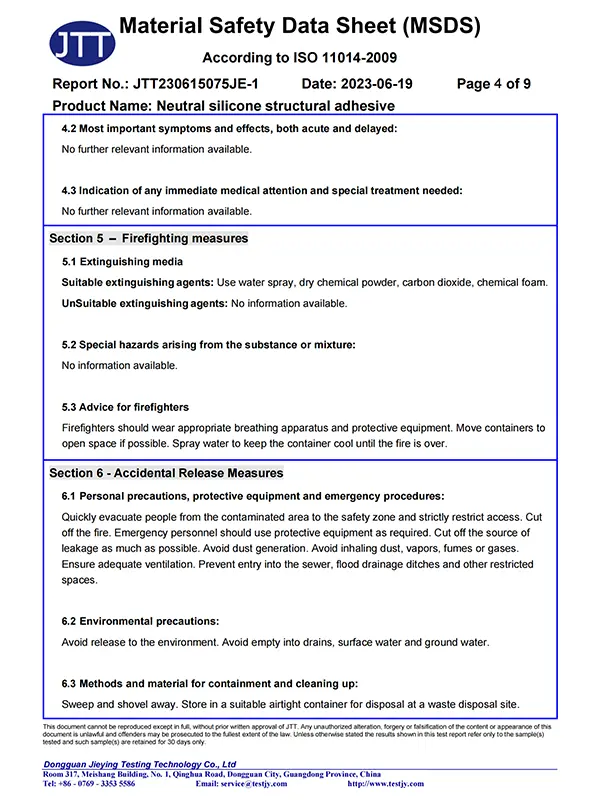
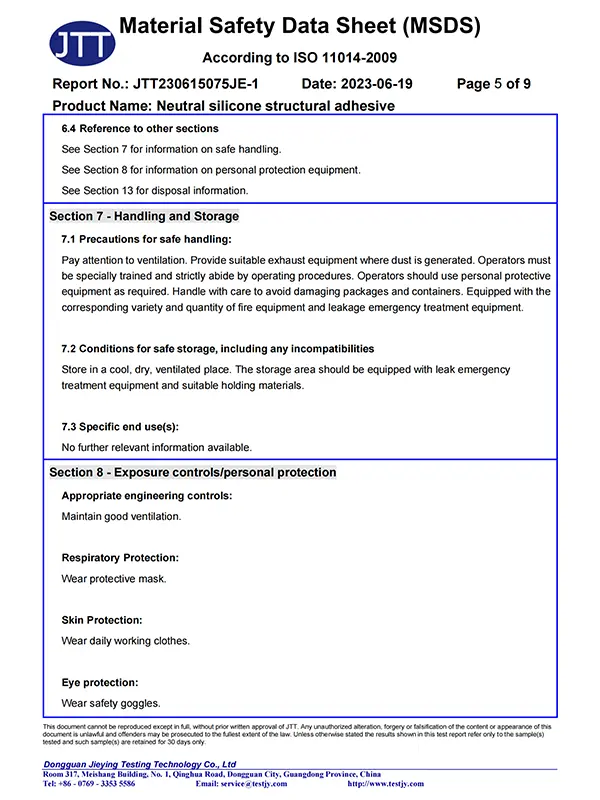
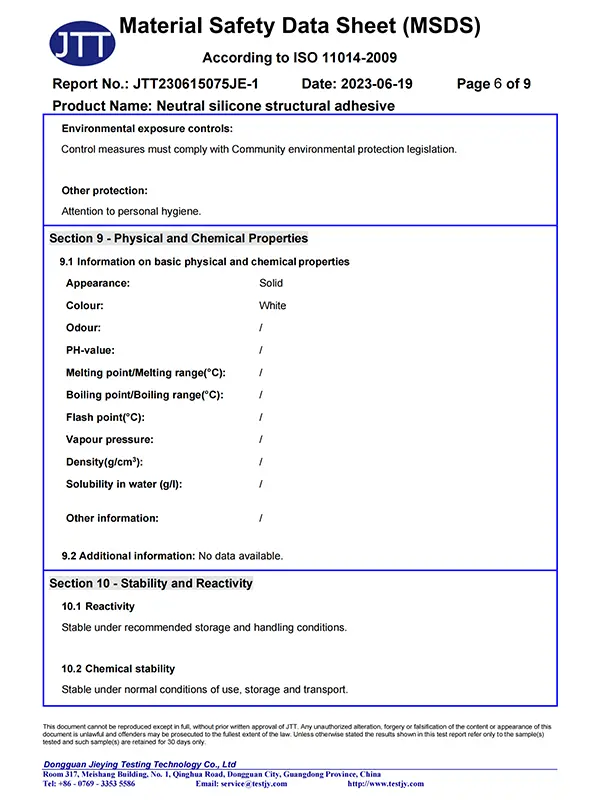
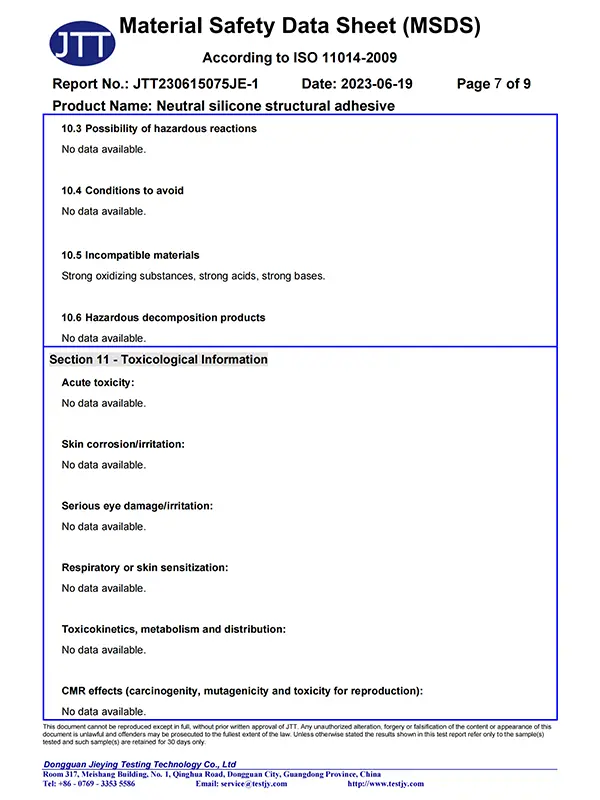
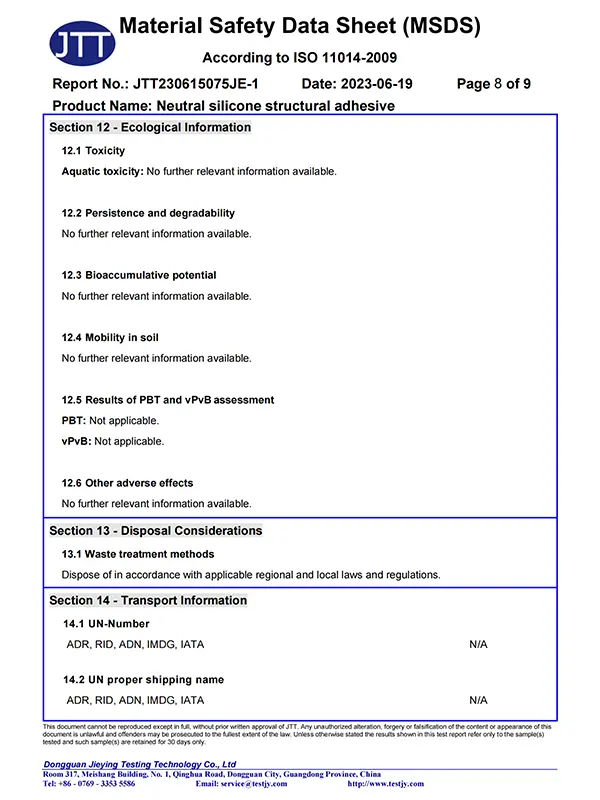
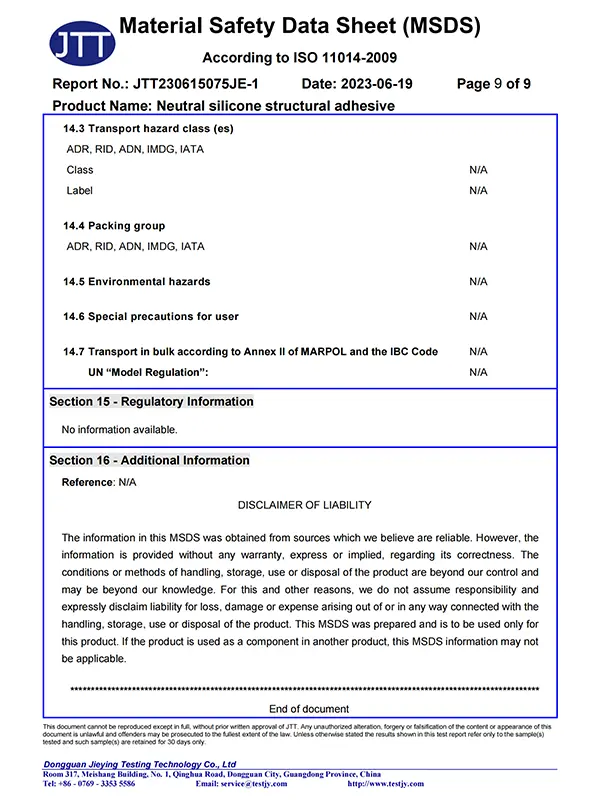
Our certification portfolio includes ISO 9001 quality management, CE mark validation for European Union distribution, and SGS mechanical testing reports covering tensile strength, abrasion resistance, and moisture absorption rates. We work closely with testing agencies to support localized compliance requirements in target import countries.
Clear answers to key questions about wholesale procurement, product performance, and manufacturing capabilities.
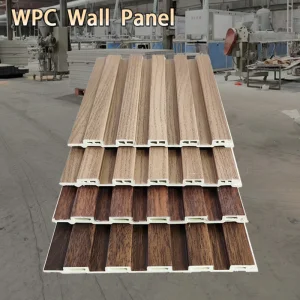
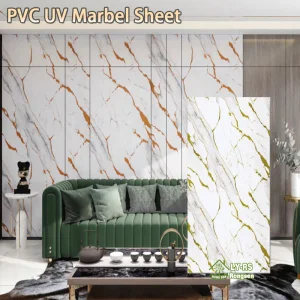
Explore additional wall cladding products, including high-gloss sheets, embossed texture panels, and composite wall solutions for interior designs.
 Rongsen