Years of Combined Production Heritage
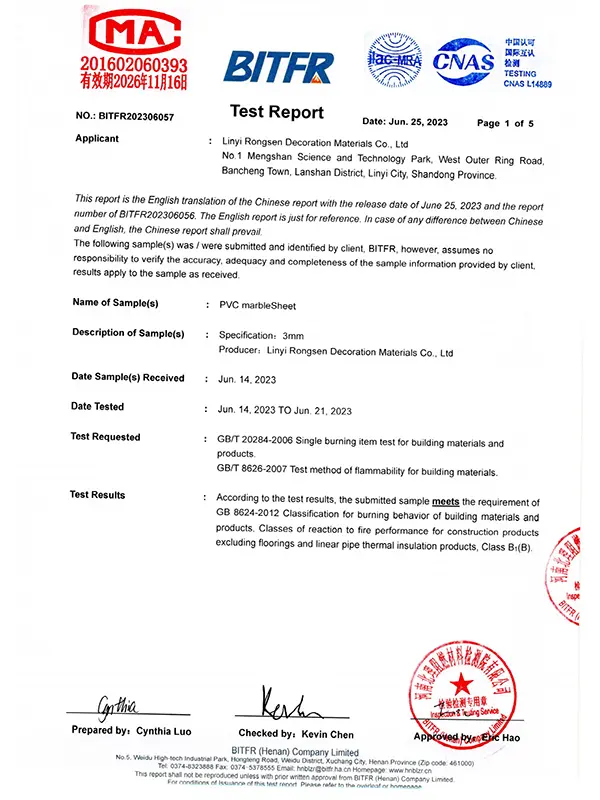
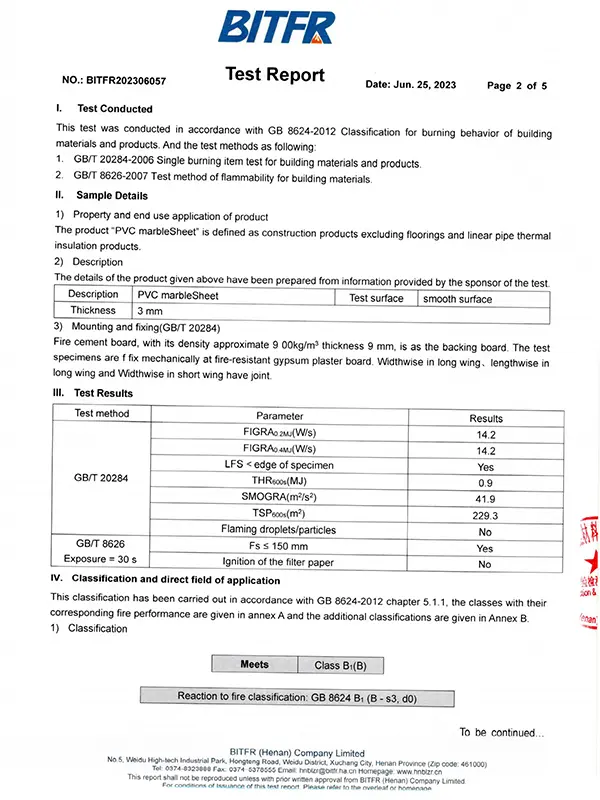
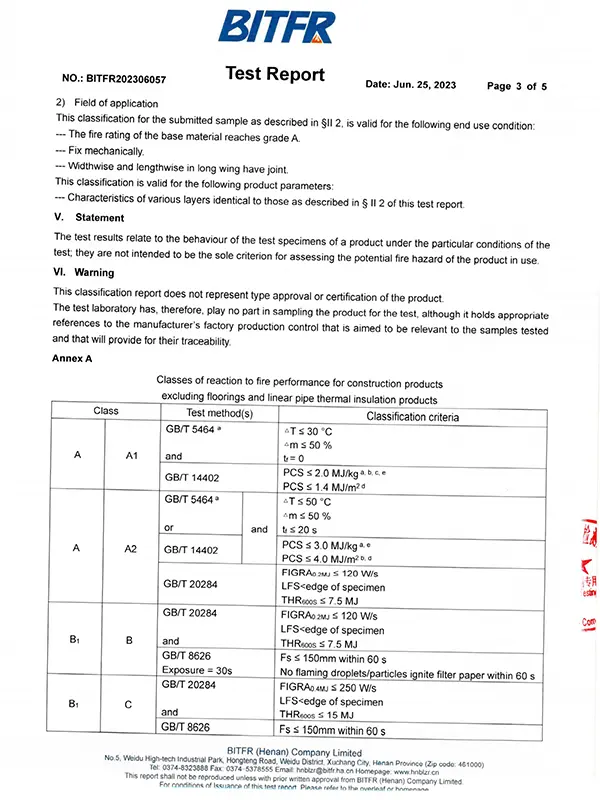
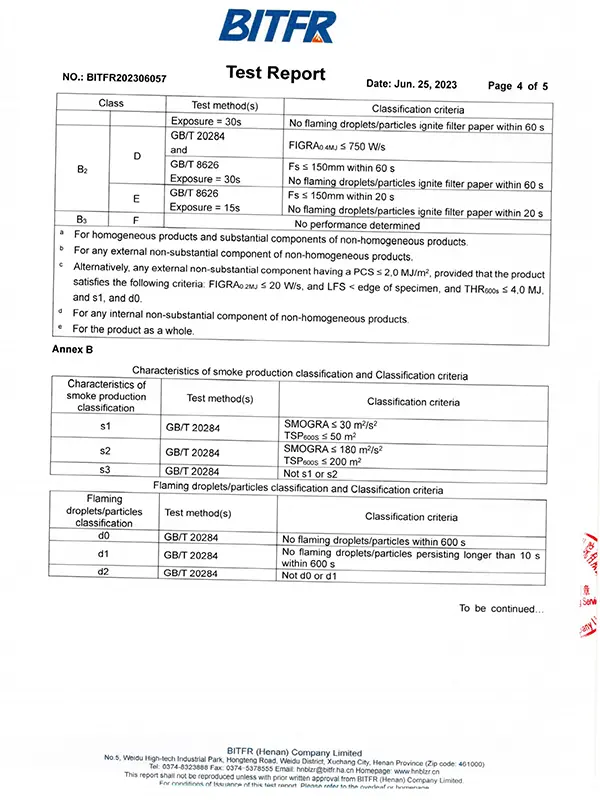
Grade B1 Flame Retardancy Standards
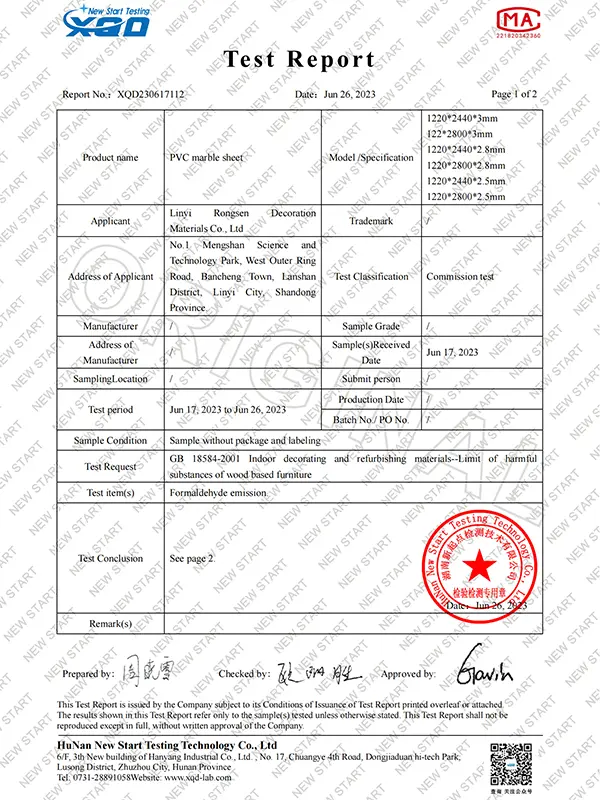
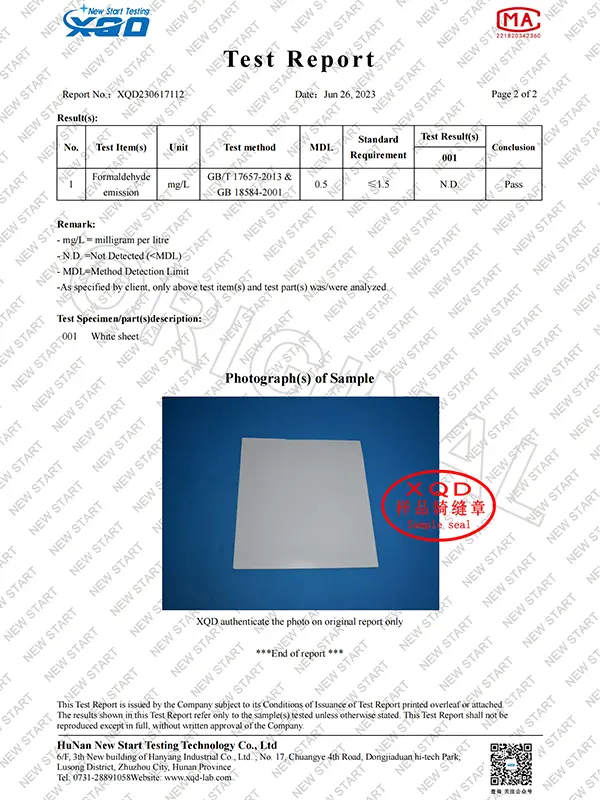
Eco-friendly Formaldehyde Ratings
Global Destination Ports Covered
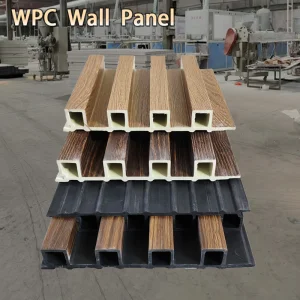
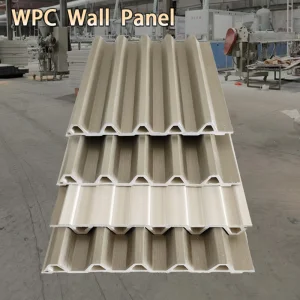
Wood-Plastic Composite (WPC) wall panels represent a major shift in modern architecture. These panels solve the classic conflict between design appeal and long-term durability. By combining natural wood fibers (usually 55-60%) with recycled high-density thermoplastics (mostly PE or PVC, around 30-35%) and special additives (5-10% stabilizers, UV blockers, and coupling agents), WPC offers a material that handles moisture and wear much better than solid timber.
For architectural specifiers and global wholesale buyers, choosing a supplier requires looking closely at material science. Premium WPC products from top manufacturers use advanced co-extrusion technology. This process bonds a protective outer layer around the composite core under high temperatures. The result is a panel that stays looking new, stands up to scratching, and won't fade or warp even when exposed to direct sunlight and high humidity.
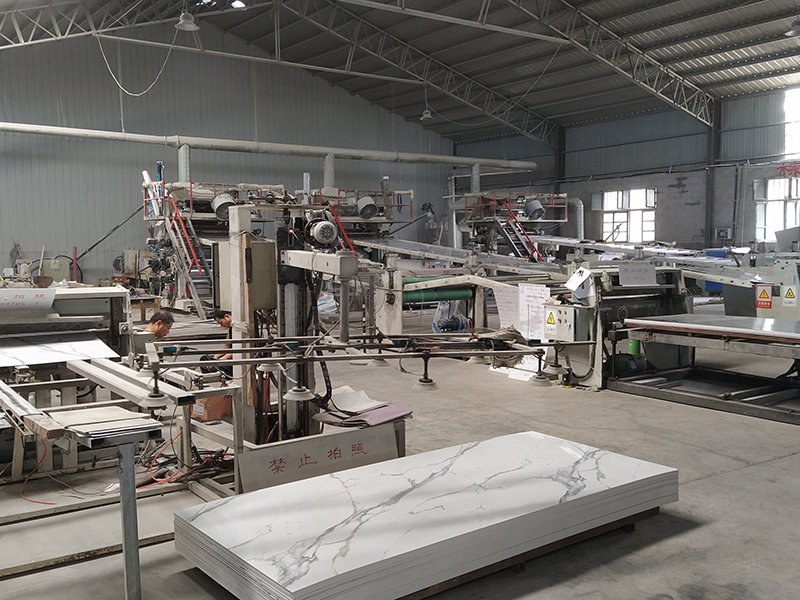
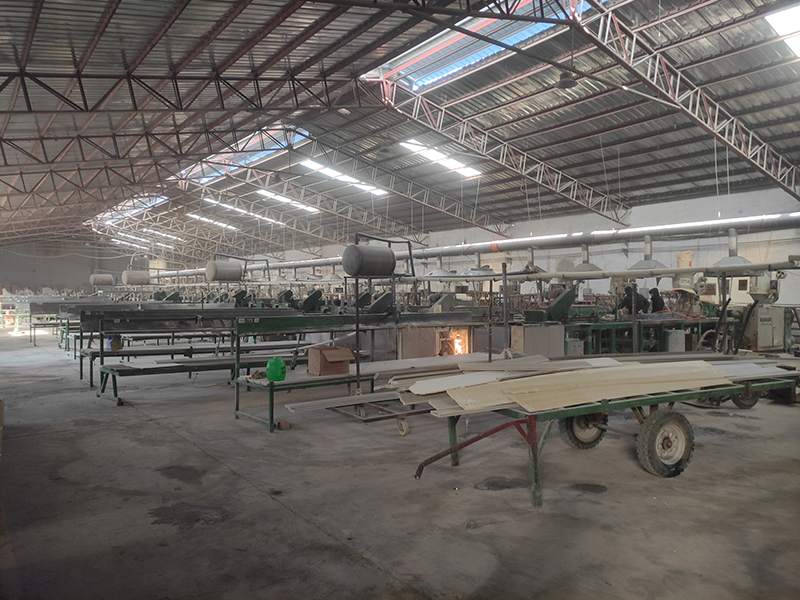
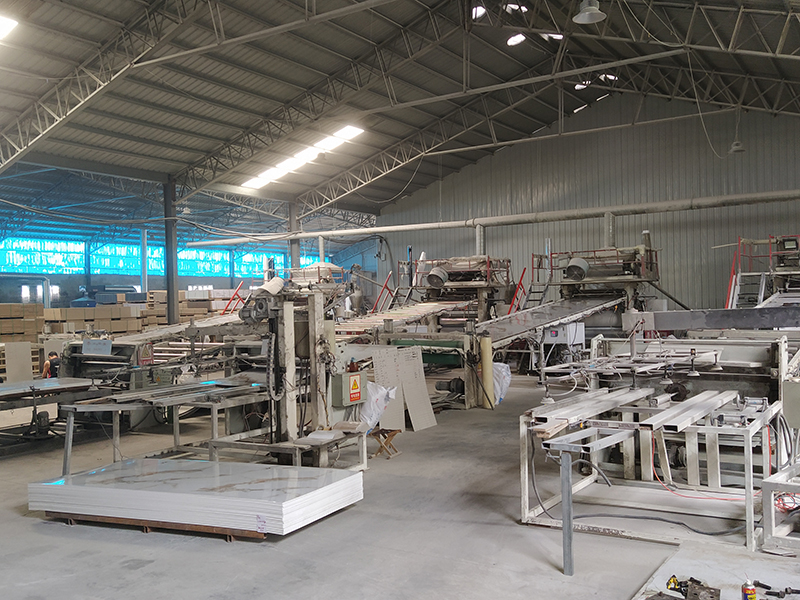
Based in Linyi, Shandong Province, Linyi Rongsen Decoration Material Co., Ltd. is situated in the "Logistics Capital of China." This location is close to major ports like Qingdao and Lianyungang, providing efficient and cost-effective shipping connections to international buyers. This helps reduce land transport costs, shorten lead times, and make shipping schedules more predictable.
Our raw material supply chains and efficient logistics allow us to maintain reliable production schedules. We manage the entire manufacturing process, from compounding wood flour and polymers to precise extrusion, surface lamination, and quality control. This control allows us to offer competitive wholesale pricing without compromising on product quality.
We produce and distribute a comprehensive range of interior and exterior materials, including PVC UV marble sheets, embossed panels, 3D backdrops, PS panels, PU stone wall panels, and WPC cladding. This variety offers one-stop sourcing for construction projects.
We base our business on integrity and quality. Every batch of WPC wall panels goes through dimensional testing, moisture resistance evaluations, and density profiling to ensure they meet international trade standards.
Our foreign trade team handles international documentation, ocean freight logistics, customs clearance support, and port compliance. We work to make importing smooth and hassle-free for our clients.
To help you choose the right material for your project, this table compares WPC panels with traditional cladding materials. It shows how WPC performs in terms of lifespan, maintenance requirements, and environmental impact.
| Performance Metric | Rongsen WPC Panels | Natural Wood Timber | MDF / HDF Board | PVC Laminated Panels |
|---|---|---|---|---|
| Moisture & Decay Resistance | Waterproof, no rot, mold-resistant | Prone to swelling, rot, and fungi | Swells easily in humid environments | Waterproof, but lacks structural strength |
| Termite & Insect Resistance | 100% Resistant (due to polymer content) | Vulnerable without chemical treatment | Highly vulnerable | Resistant |
| Flame Retardancy | Grade B1 Standard (Self-extinguishing) | Highly flammable (unless treated) | Burns easily (Grade B3) | Grade B1/B2 depending on additives |
| Formaldehyde Emission | E0 / E1 Certified Eco-safe | Natural emissions only | Often high (due to resins) | Near Zero (plastic based) |
| Maintenance & Painting | No painting or sealing required | Needs regular sanding and sealing | Must be painted, prone to peeling | Low maintenance |
| Average Service Lifespan | 15 - 25 Years (Interior/Exterior) | 5 - 10 Years (Needs constant care) | 3 - 8 Years (Indoor only) | 10 - 15 Years |
Modern composite panels are designed for a variety of commercial and residential settings:
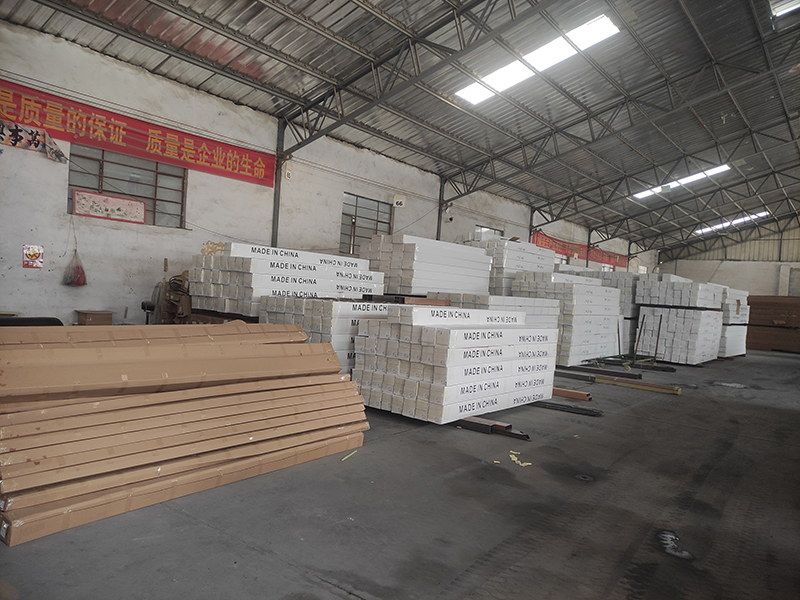
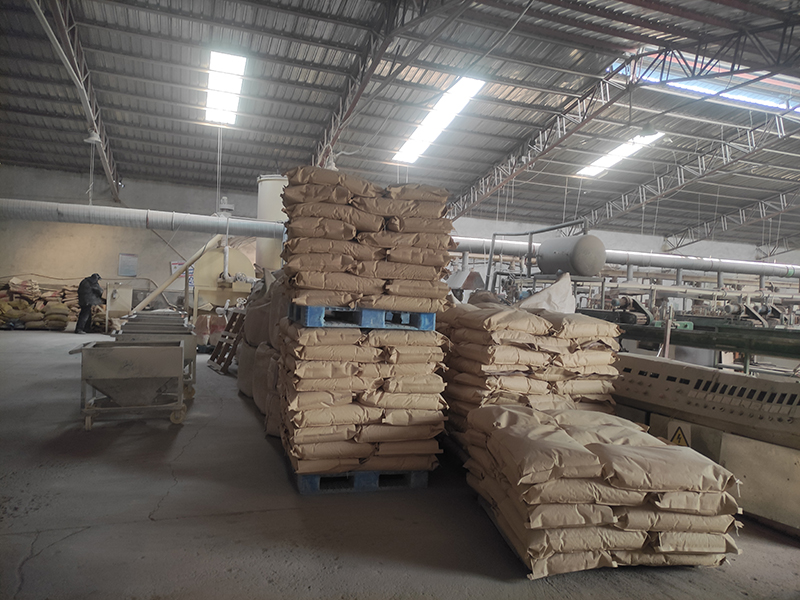
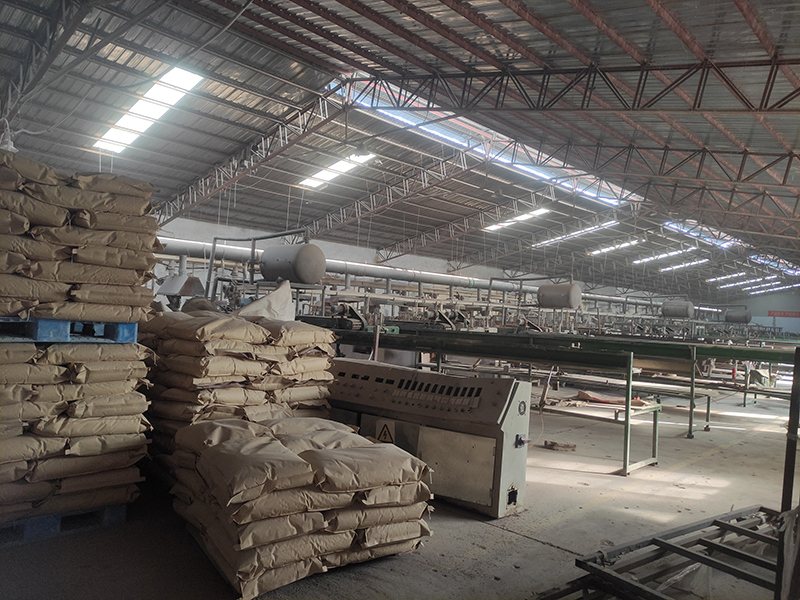
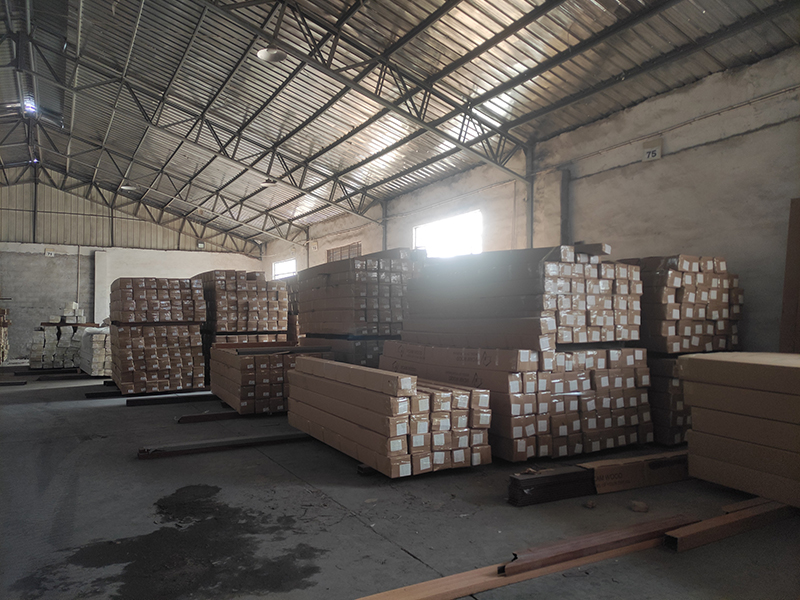
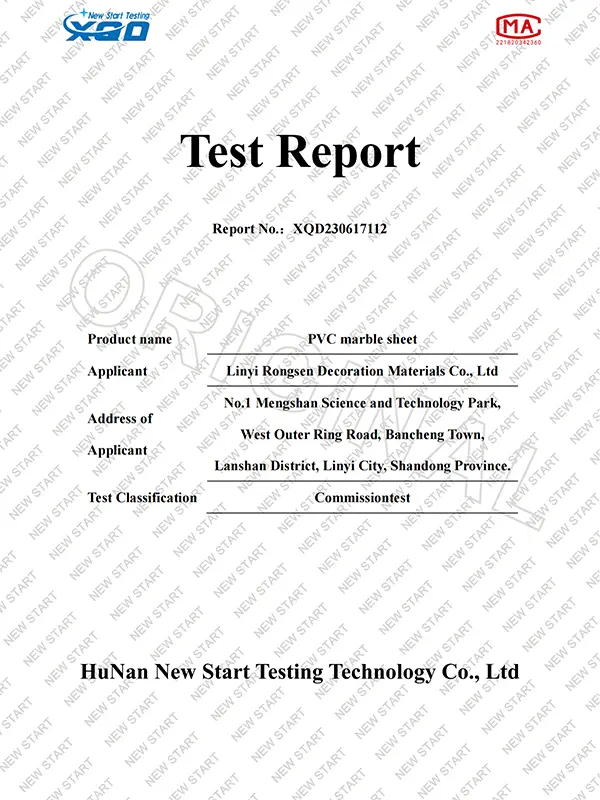
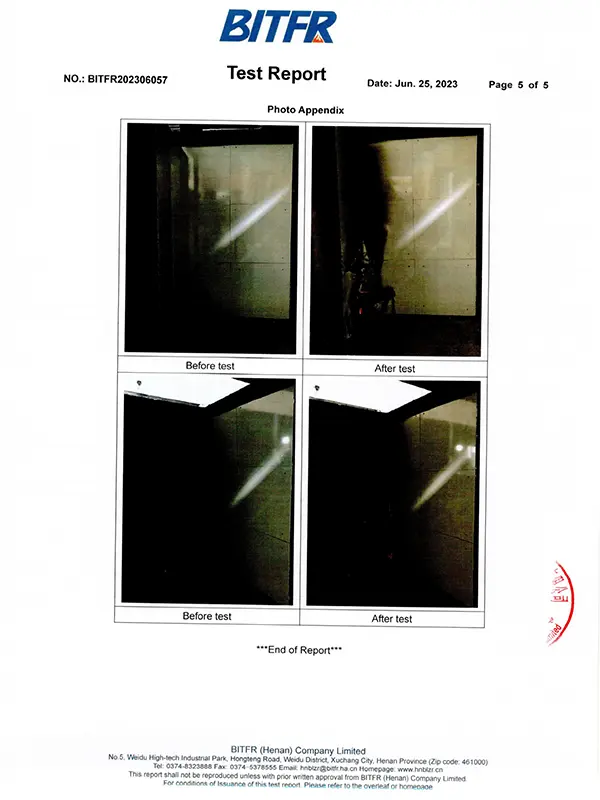
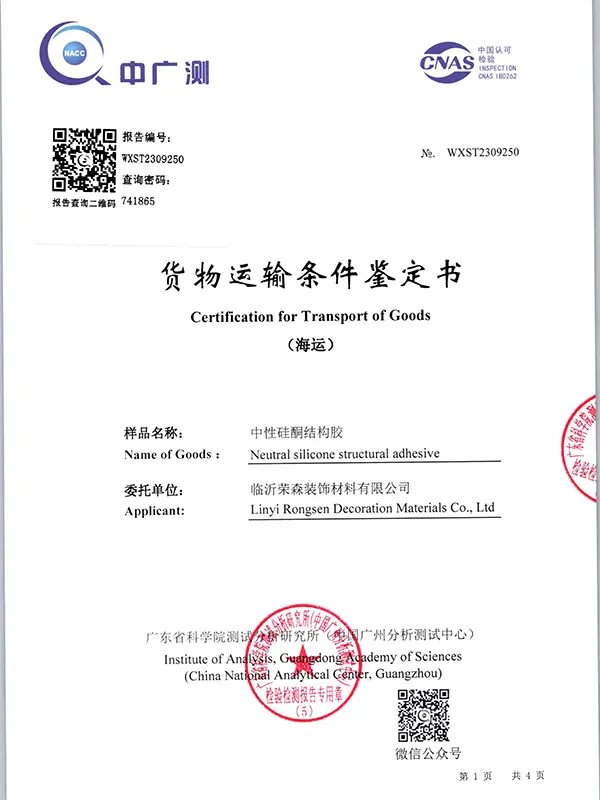
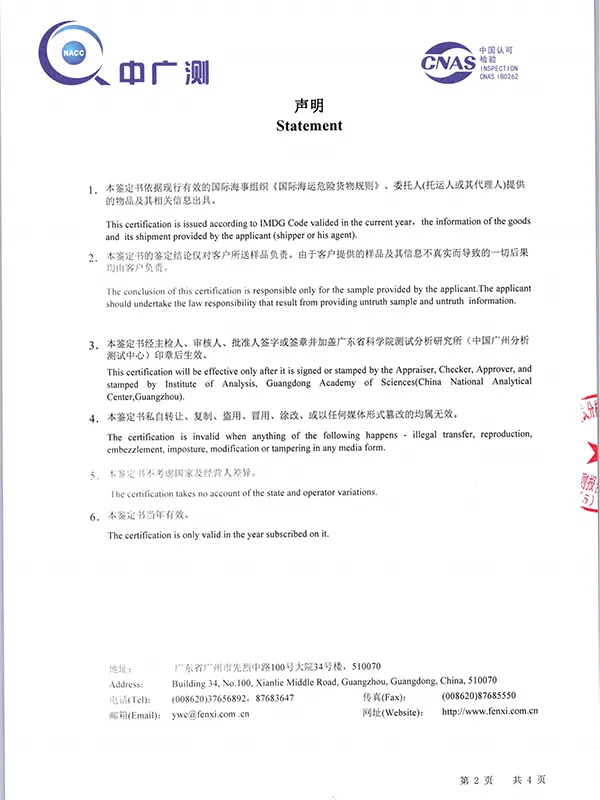
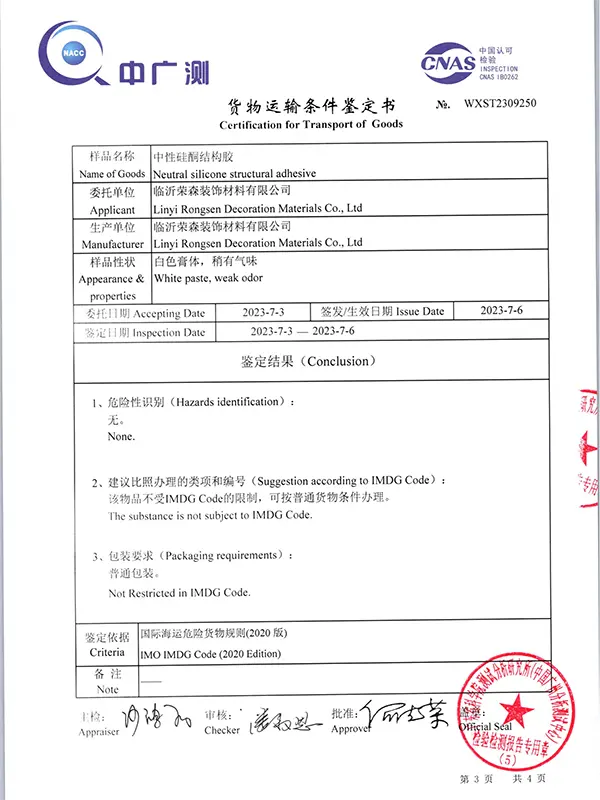
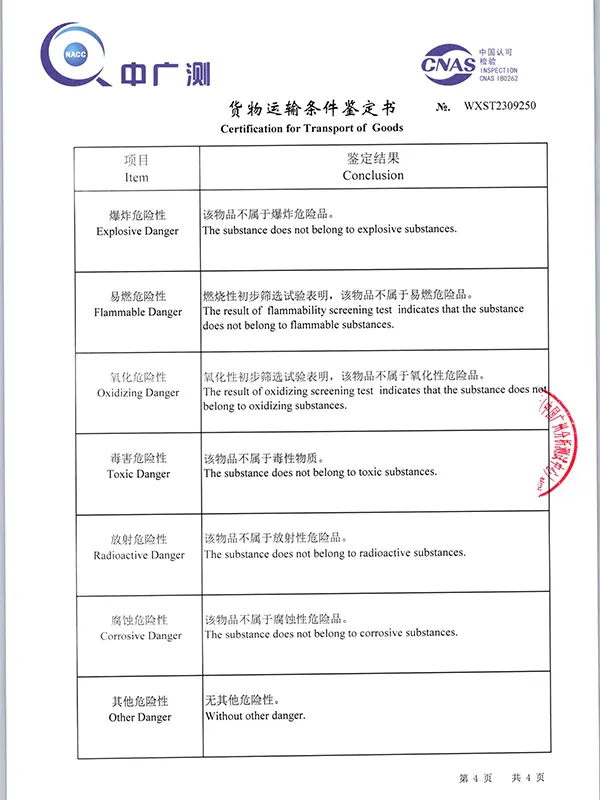
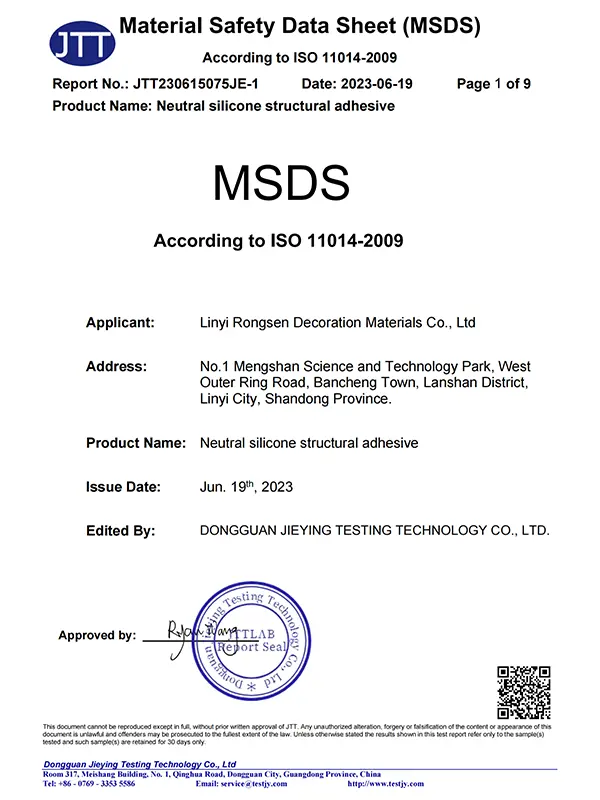
We work to meet the quality, fire safety, and eco-friendliness requirements of global importing standards. Our factory audits and product test certificates verify that our materials are reliable and ready for international construction markets.
Architects are looking for sustainable, recyclable materials. The shift from virgin plastics to recycled ocean polymers and FSC-certified wood fibers is changing how composites are made, lowering the overall carbon footprint of new buildings.
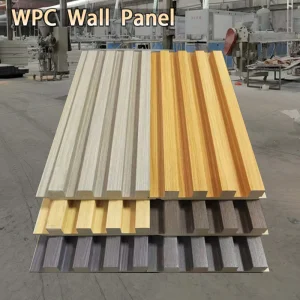
Recent developments focus on creating more realistic textures. Modern wood-plastic composites feature deep, non-repeating wood patterns and matte finishes that mimic natural timber while maintaining durability.
New designs focus on faster installation. Interlocking systems and lightweight hollow designs help contractors reduce installation times, making WPC panels a practical choice for large-scale housing and retail builds.
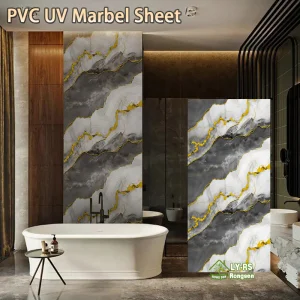
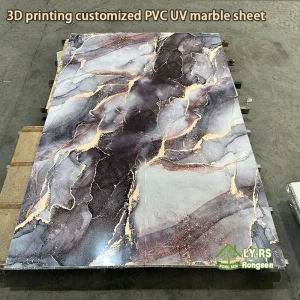
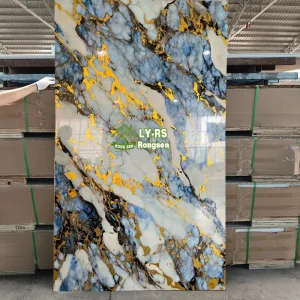
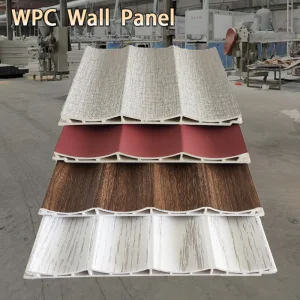
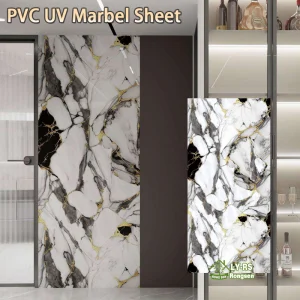
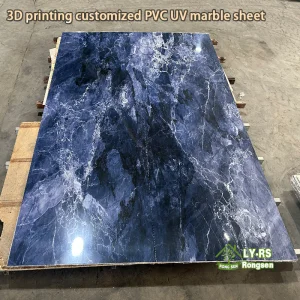
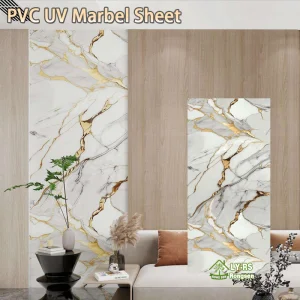
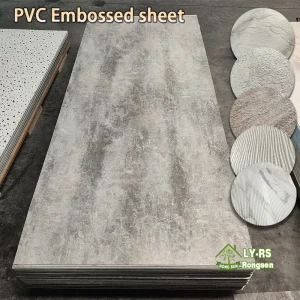
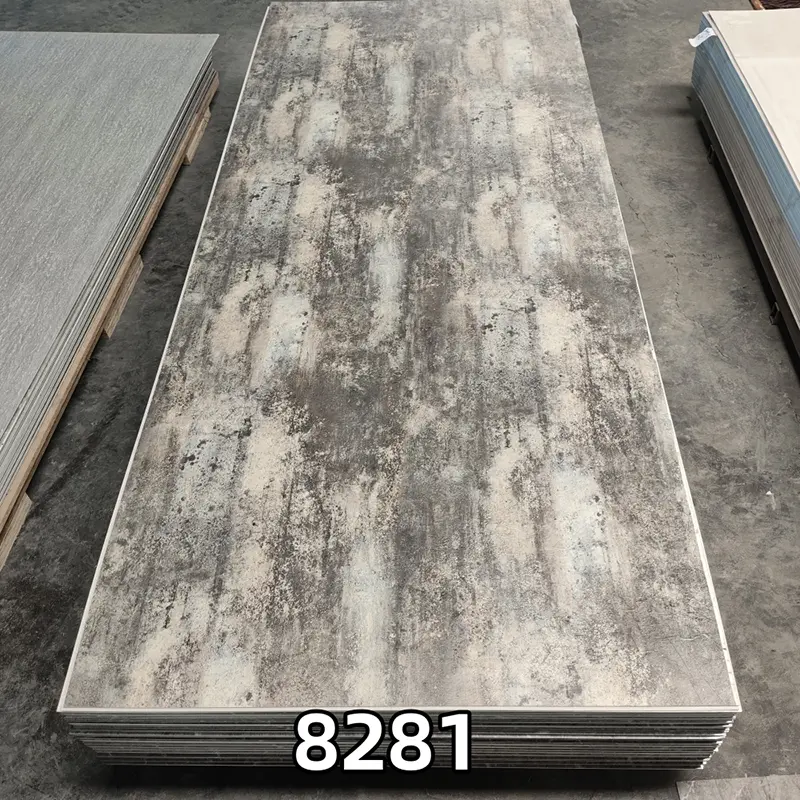
Designed with micro-grooves and textures that give walls a distinct look and feel. Made from durable materials, these sheets resist wear and tear while providing an elegant finish for commercial spaces.
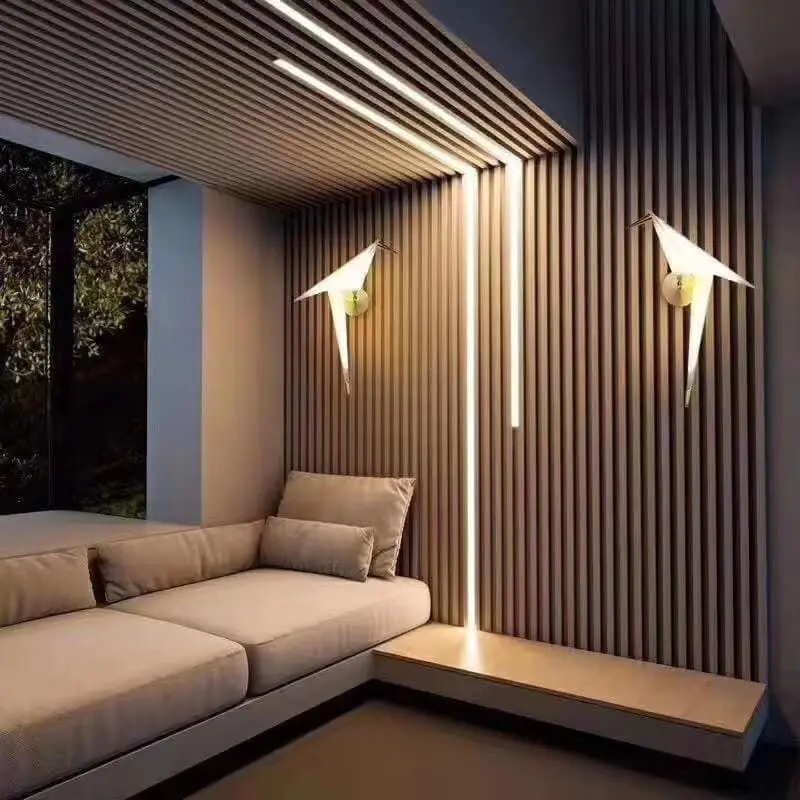
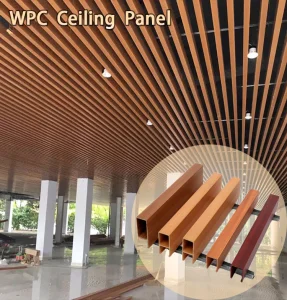
Featuring a Grade B1 flame retardant composite core. These lightweight panels resist warping and moisture, making them suitable for kitchen backsplashes and bathroom ceiling designs.
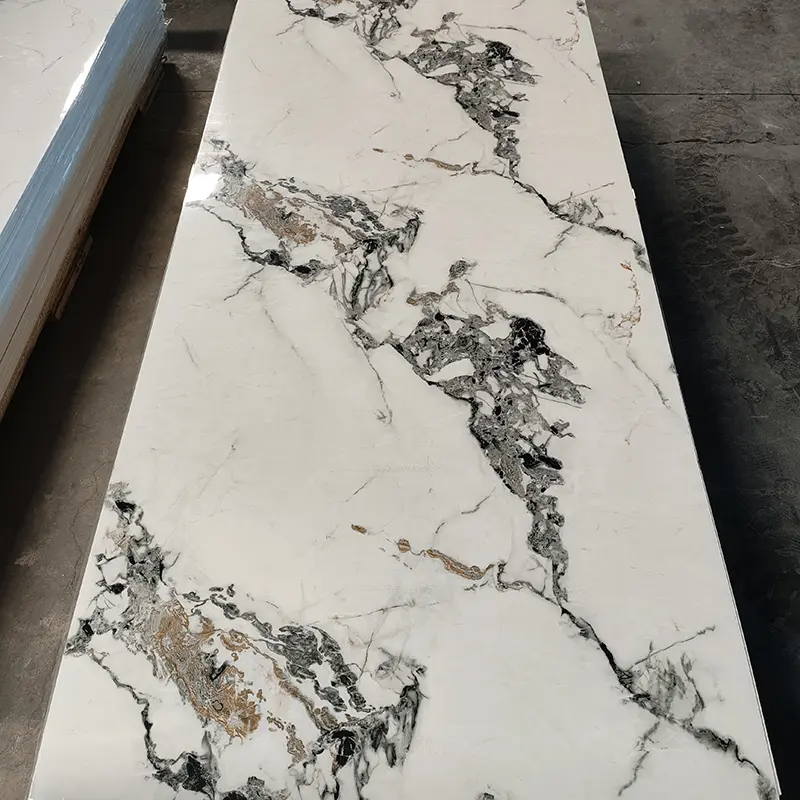
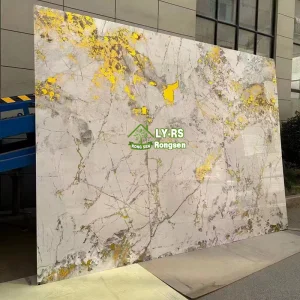
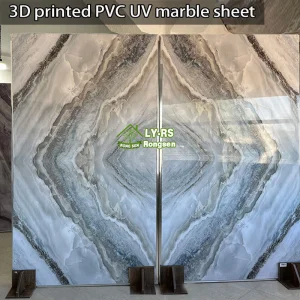
Crafted with a stone plastic composite base (40% PVC, 58% calcium carbonate) and a protective UV finish. This combination replicates the appearance of marble at a lower cost for hotels and commercial buildings.
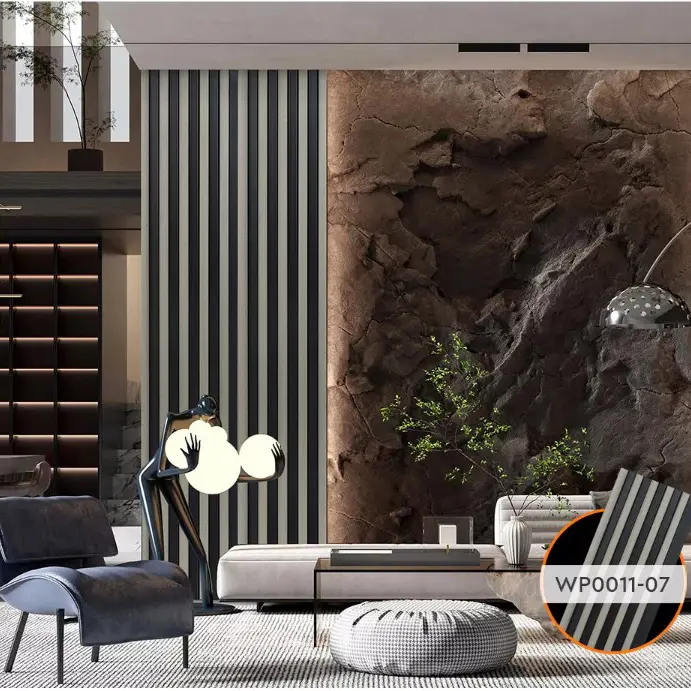
Made from high-density extruded polystyrene. These lightweight panels are easy to handle and install, providing an efficient wall-covering solution for home renovations.
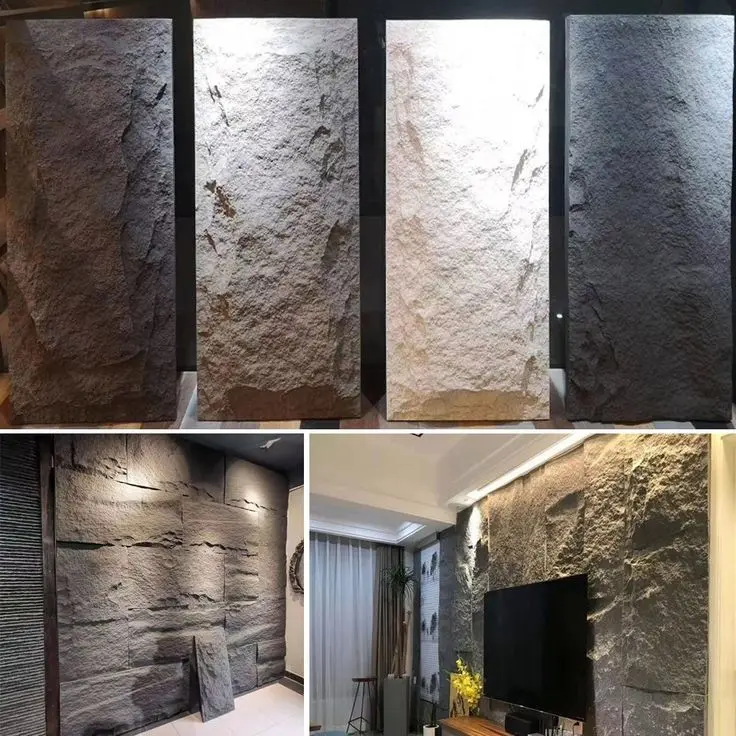
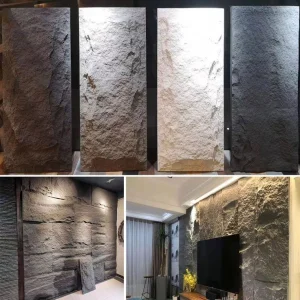
Lightweight polyurethane panels molded from real slate and stone patterns. They offer the texture and visual appeal of natural stone walls but are easier to transport and install.
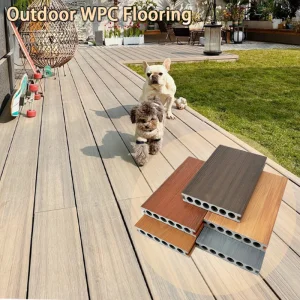
Interior WPC panels focus on lightweight profiles, diverse laminate aesthetics, and ease of installation. Exterior WPC panels are engineered with advanced UV stabilizers and high-density polymer caps (often co-extruded) to handle moisture, direct sunlight, and changing temperatures without fading or cracking.
Linyi is known as China's logistics capital. It features a large network of domestic freight lines that connect directly to major international ports like Qingdao and Lianyungang. This setup helps lower local transportation costs and ensures reliable shipping times for overseas containers.
Our materials are tested to meet international standards. This includes CE marking for European markets, ISO9001 quality management standards, and flame-retardant certifications (B1 classification) to ensure compliance with local building codes.
Yes, our WPC and SPC panels are waterproof. They resist moisture, mold, and rot, making them suitable for kitchen backsplashes, laundry rooms, and bathroom walls and ceilings.
When installed correctly, indoor WPC wall panels can last 20 years or more. Exterior panels typically have a lifespan of 15 to 25 years, depending on local weather conditions, UV exposure, and maintenance.
Yes, we provide full OEM and ODM services. We can adjust density, length, embossing styles, and color films to match your design requirements or brand specifications. Contact us to discuss MOQ requirements for custom orders.
While WPC materials may have a higher initial purchase price than untreated wood, they save money over time. Their interlocking tongue-and-groove systems reduce installation labor, and they require no sanding, staining, or sealing during their lifespan.
Our products meet E0 and E1 eco-friendly standards. They do not release harmful VOCs, helping maintain indoor air quality in residential and commercial settings.
 Rongsen