Premium outdoor decking, engineered interior cladding, and structural profiles direct from China's leading manufacturing facility
Global Commercial Landscape and Engineering Benchmarks of Wood-Plastic Composites
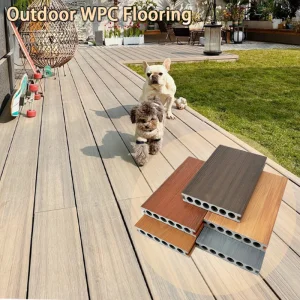
Modern Wood-Plastic Composite (WPC) outdoor panels represent a technological convergence of organic wood fibers (typically 60% recycled hardwood dust) and thermoplastic polymers (30% high-density polyethylene/polyvinyl chloride). By integrating molecular coupling agents and heat-stabilizing additives, we achieve a material density threshold of ≥1.2 g/cm³. This advanced configuration mitigates structural creep, offers superior shear strength, and achieves water absorption indices below 0.5% over 48-hour submersion intervals.
The global outdoor cladding and decking sector is undergoing a rapid transition driven by strict environmental policies. Life Cycle Assessment (LCA) data reveals that WPC reduces the carbon footprint by up to 35% compared to pressure-treated timber, as it eliminates toxic preservative leachates like CCA. Driven by certifications such as LEED and BREEAM, corporate real estate developers are specifying high-density WPC systems to satisfy ESG compliance standards while minimizing long-term maintenance costs.
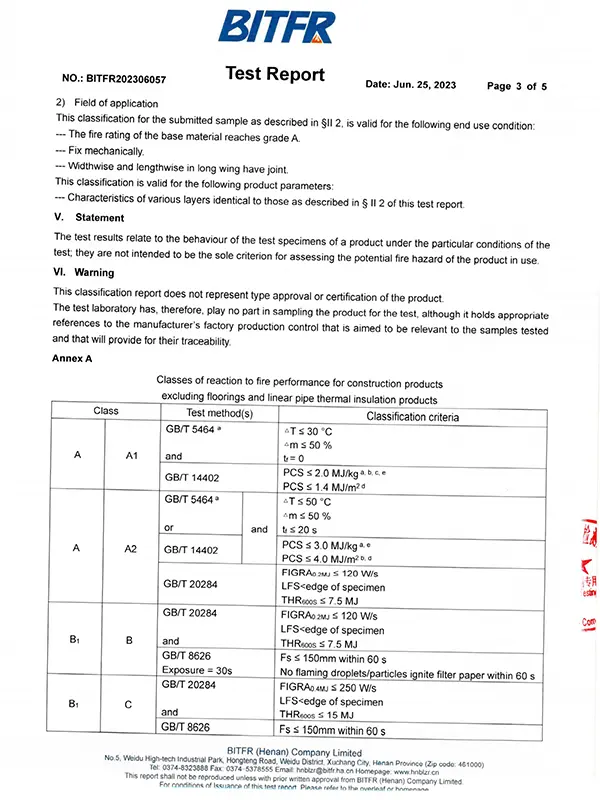
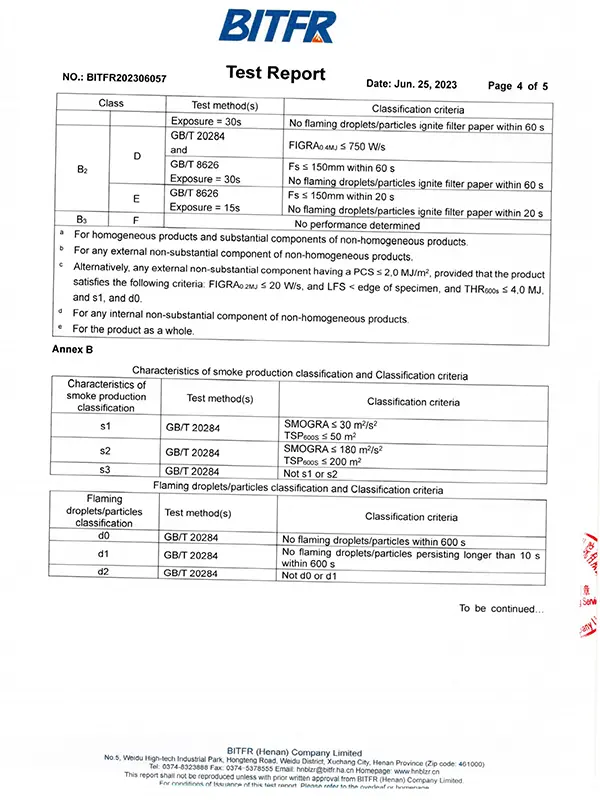
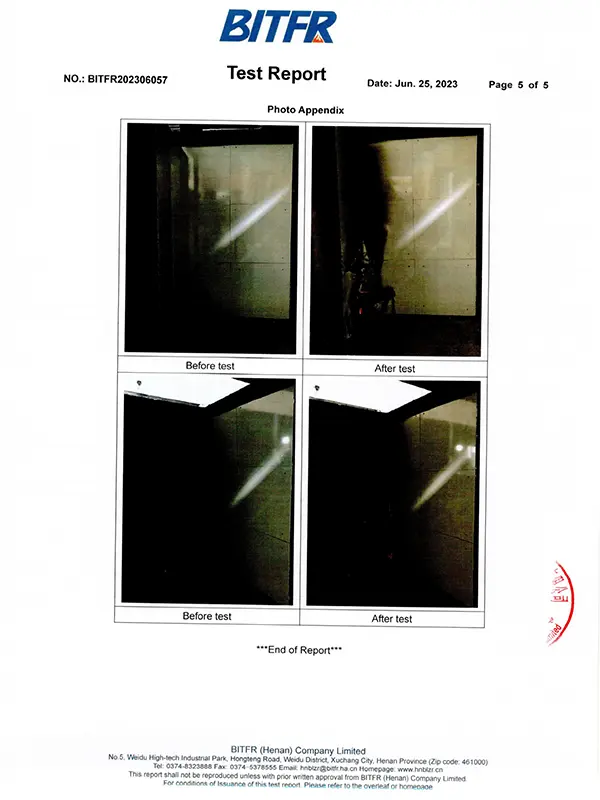
Engineered outdoor building envelopes require exceptional flame retardancy. Standard WPC formulations exhibit a natural propensity for combustion due to polymer binders, but the integration of non-halogenated flame retardants allows Chinese manufacturing plants to supply B1-s1, d0 classified panels under EN 13501-1. This ensures a slow heat release rate, minimal smoke toxicity, and zero flaming droplets, facilitating safe specification in high-occupancy environments.
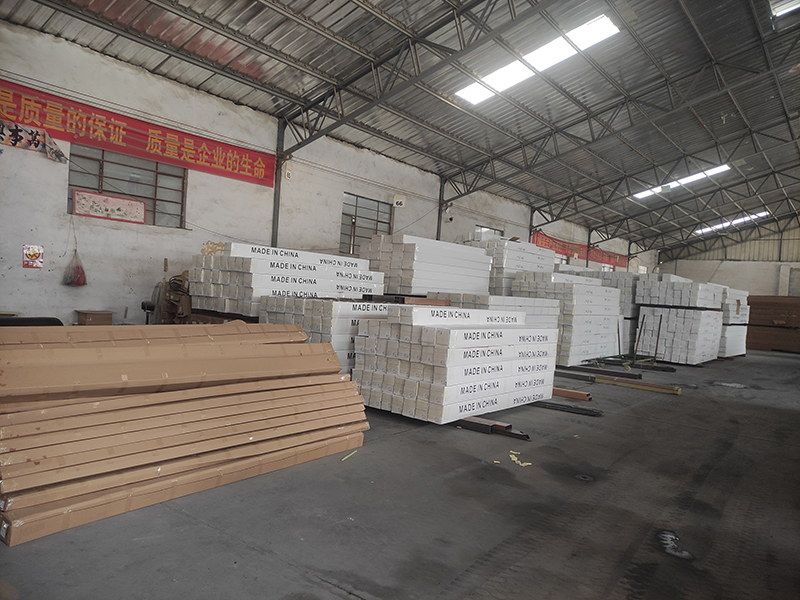
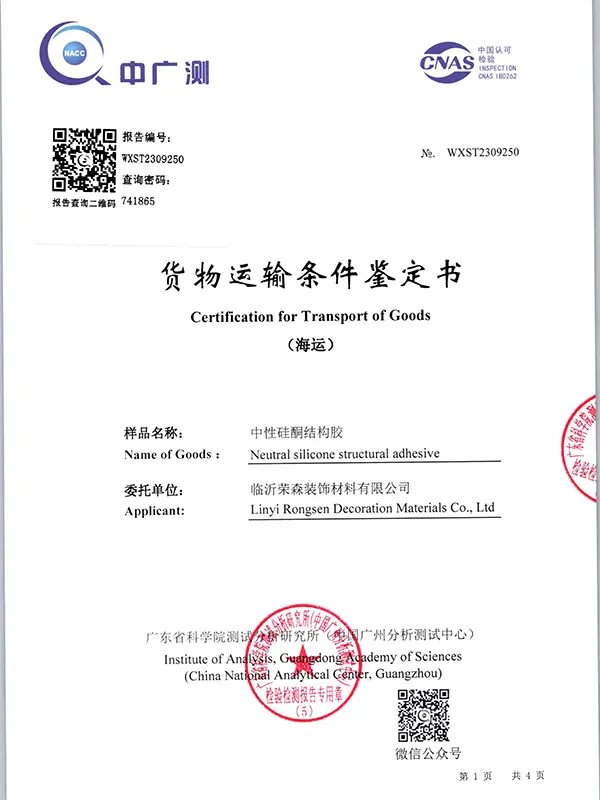
Situated in Linyi City, Shandong Province, China—a hub widely recognized as the "Logistics Capital of China"—Linyi Rongsen Decoration Material Co., Ltd. leverages exceptional transport connectivity and close proximity to major deep-water ports. This strategic location enables reliable, cost-efficient, and streamlined international shipping services.
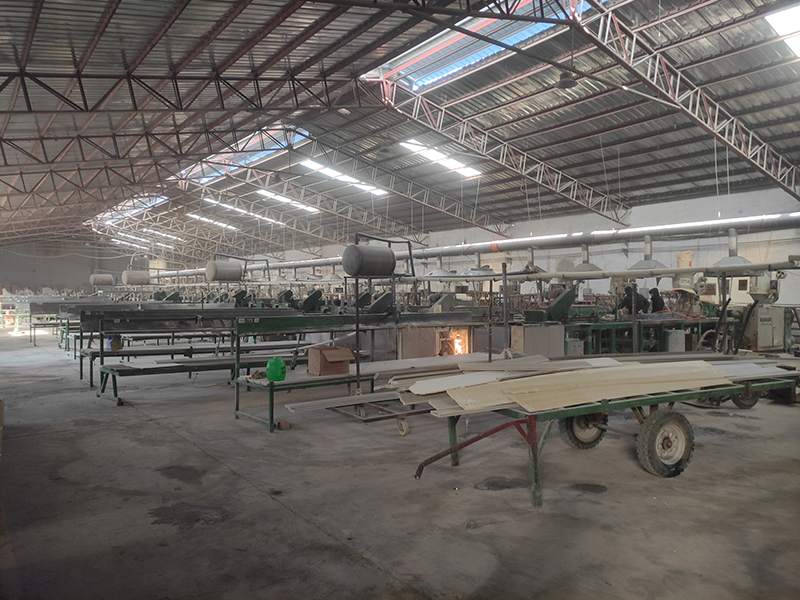
Our identity is anchored in two fundamental principles: uncompromising quality and structural integrity. Every decorative profile, wall cladding panel, and outdoor extrusion we manufacture reflects our focus on durability and visual appeal. From selecting top-tier raw materials to conducting multi-phase laboratory tests, we ensure our WPC products exceed general commercial specifications.
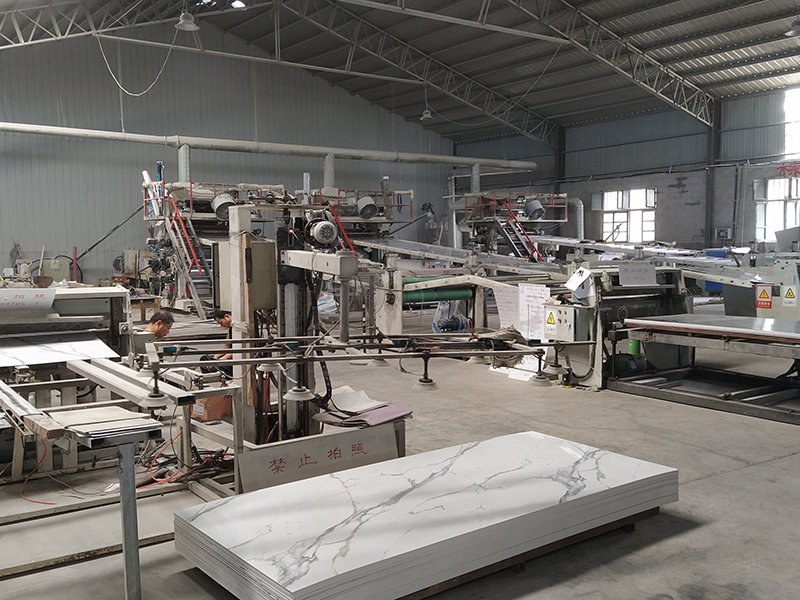
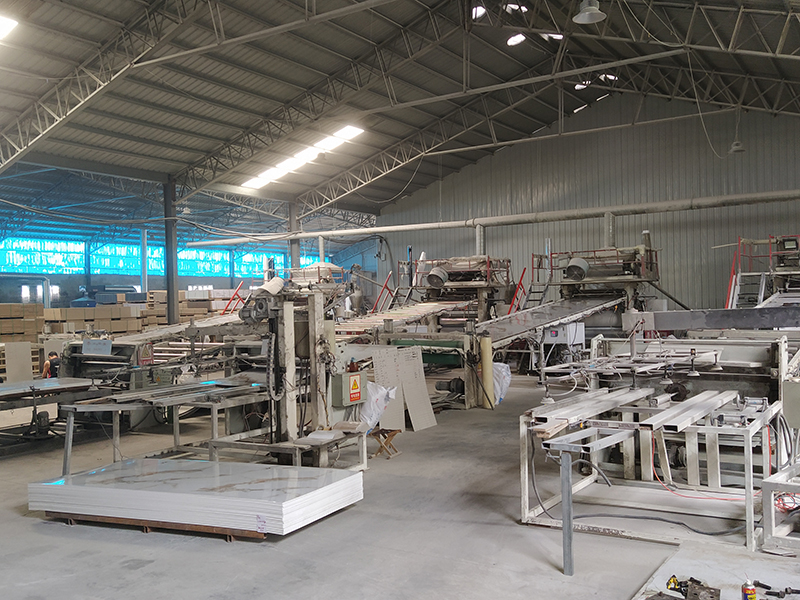
Specialized production of decorative panels, including PVC UV marble sheets, embossed panels, WPC, PS, and PU stone.
Strict quality control processes that monitor tensile strength, UV colorfastness, and thermal stability at every stage.
Efficient regional rail freight networks and direct seaport access minimize international transit times.
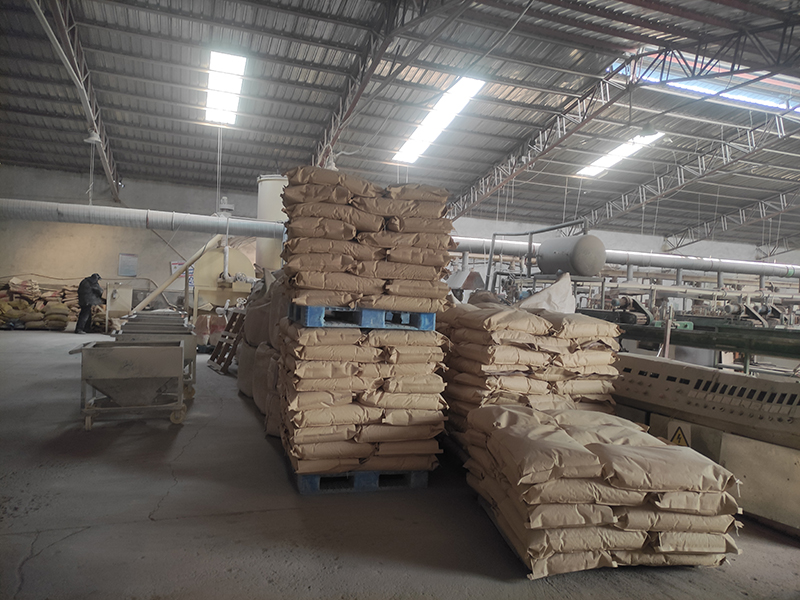
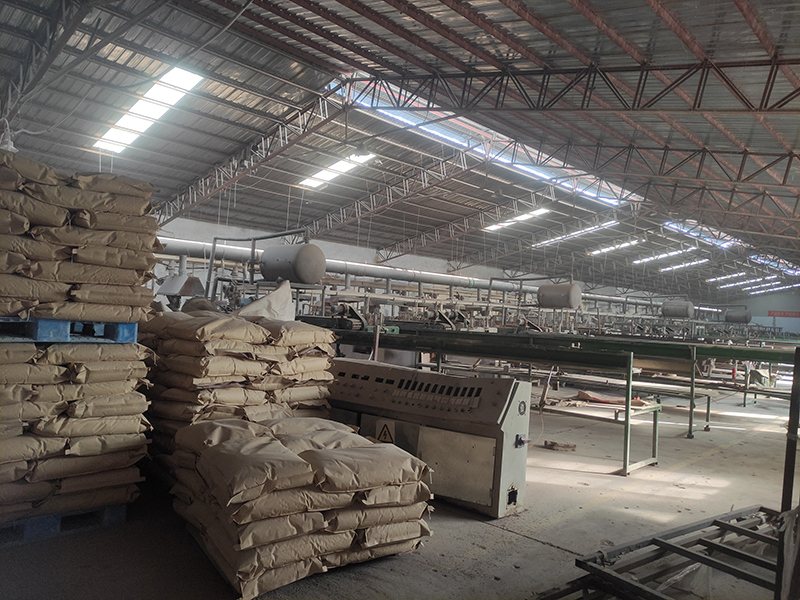
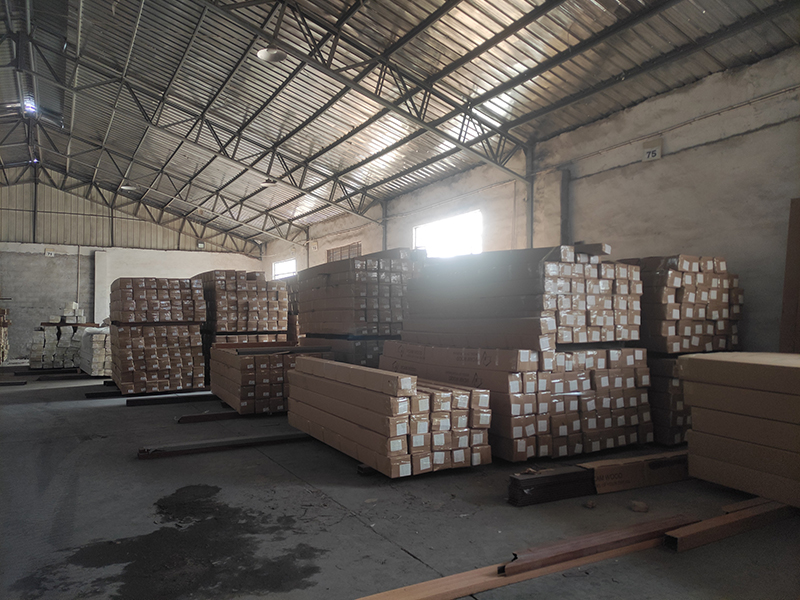
Understanding the engineering metrics that dictate long-term durability in outdoor applications
| Performance Metric | Standard WPC (First Gen) | Capped Co-Extruded WPC | Natural Hardwood (Treated) | Traditional PVC Panels |
|---|---|---|---|---|
| Density | 1.1 g/cm³ | ≥ 1.25 g/cm³ | 0.7 - 0.9 g/cm³ | 0.5 - 0.7 g/cm³ |
| Linear Thermal Expansion | 4.0 x 10^-5 / °C | ≤ 2.5 x 10^-5 / °C | Highly Variable (Anisotropic) | 6.0 x 10^-5 / °C |
| Moisture Absorption (24h) | ≤ 1.5% | ≤ 0.15% (Shield protected) | 12% - 25% (Saturated) | ≤ 0.05% |
| UV Resistance (Delta E) | < 5.0 (at 1000h) | < 2.0 (at 2000h Xenon Arc) | Rapid graying / breakdown | Yellowing under direct sun |
| Maintenance Overhead | Low (Wash only) | Near-Zero (Stain-resistant) | High (Annual staining/oiling) | Low (Subject to cracking) |
Our factory utilizes high-pressure co-extrusion technology to bond a 360-degree protective cap layer to the composite core. This outer layer features UV blockers and specialized color pigments that resist fading, mold growth, scratch damage, and oil absorption.
To improve structural capacity across wide spans, our next-generation formulations incorporate nano-sized inorganic reinforcements. These materials help prevent sagging, deformation, and warping in regions with high seasonal temperature variations.
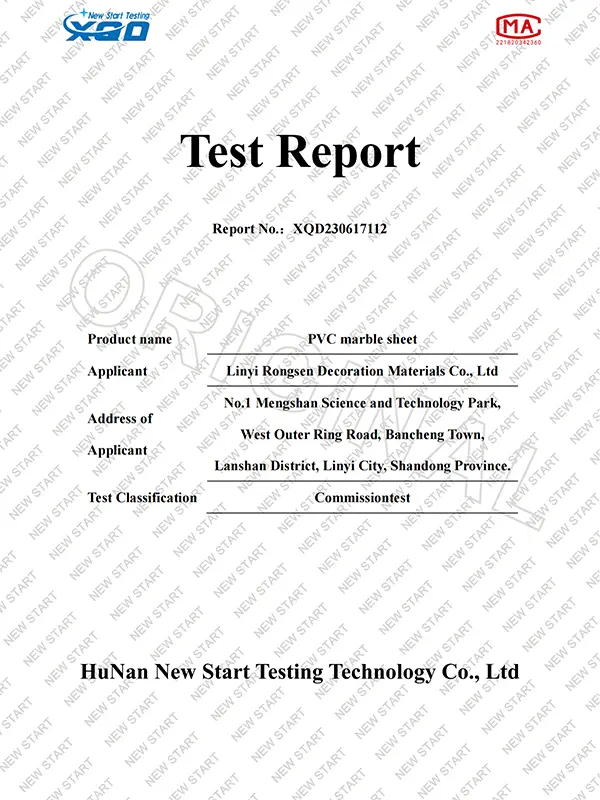
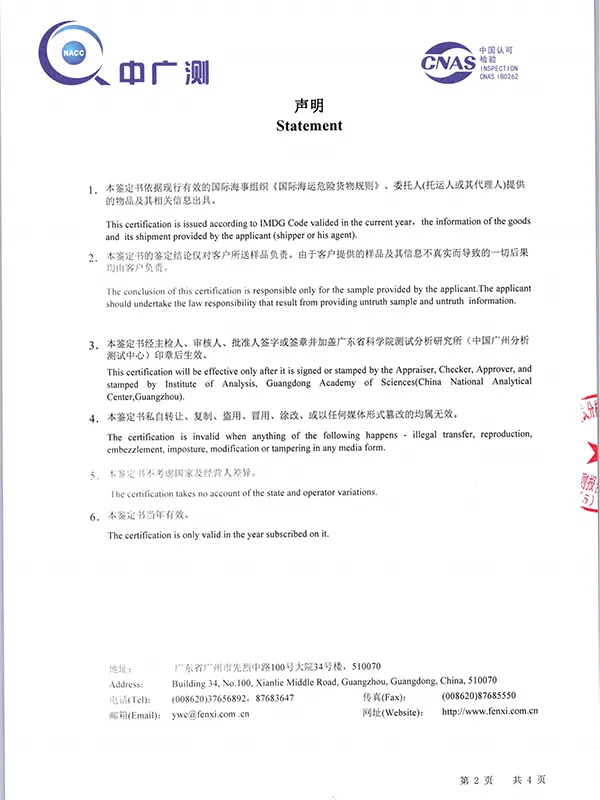
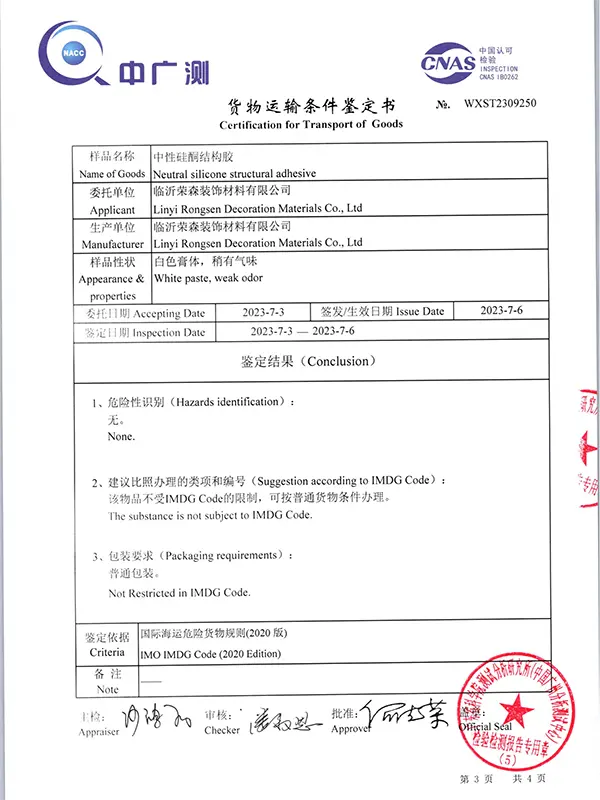
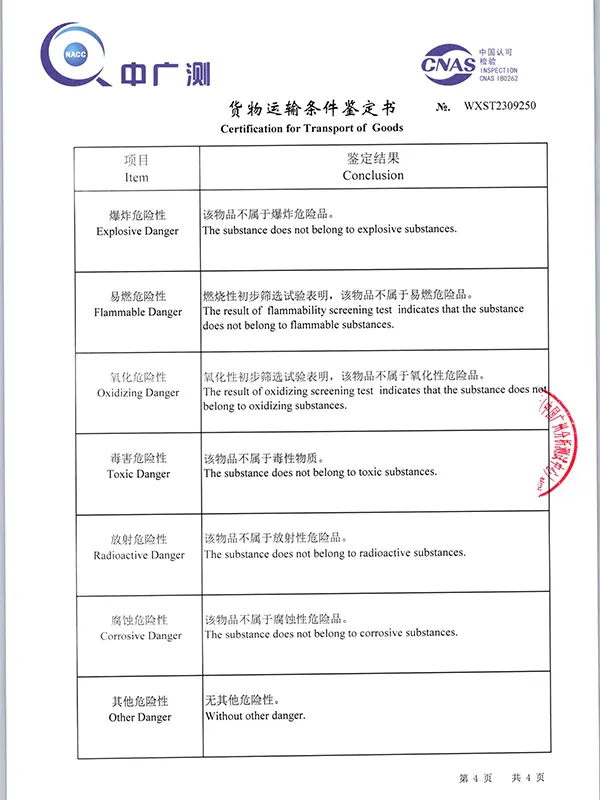
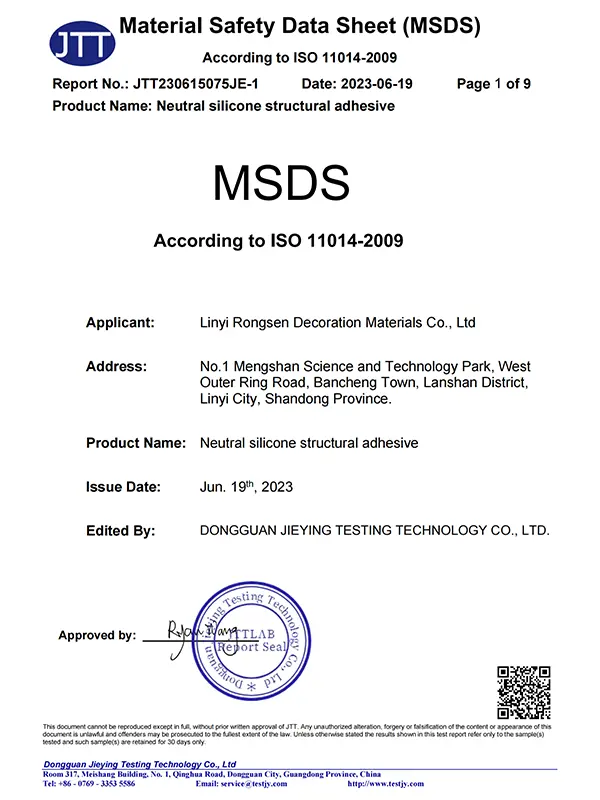
Integrating advanced polymers, stone composites, and decorative panel materials for seamless interior-exterior transitions
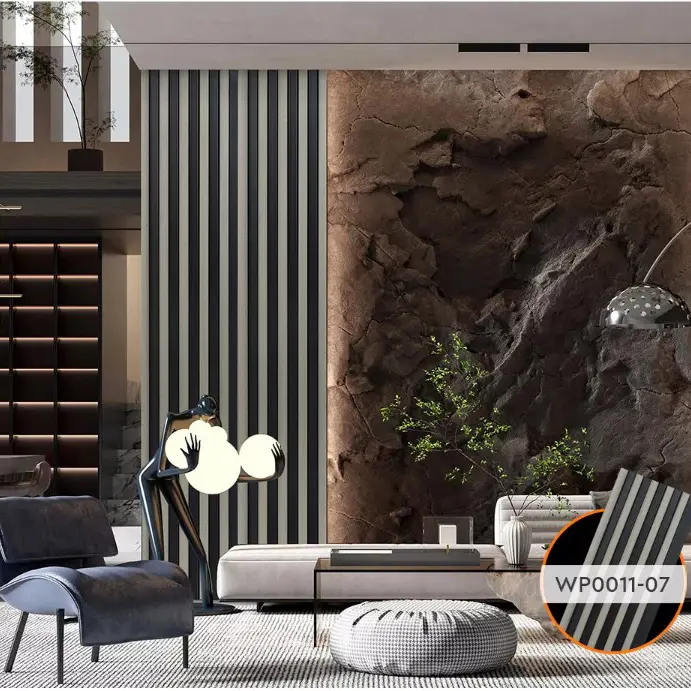
Made from high-density, lightweight polystyrene, our PS wall panels offer an eco-friendly and cost-effective alternative for interior spaces. Featuring high impact resistance and moisture protection, these panels are designed for direct installation over flat drywall without requiring heavy substrate reinforcement.
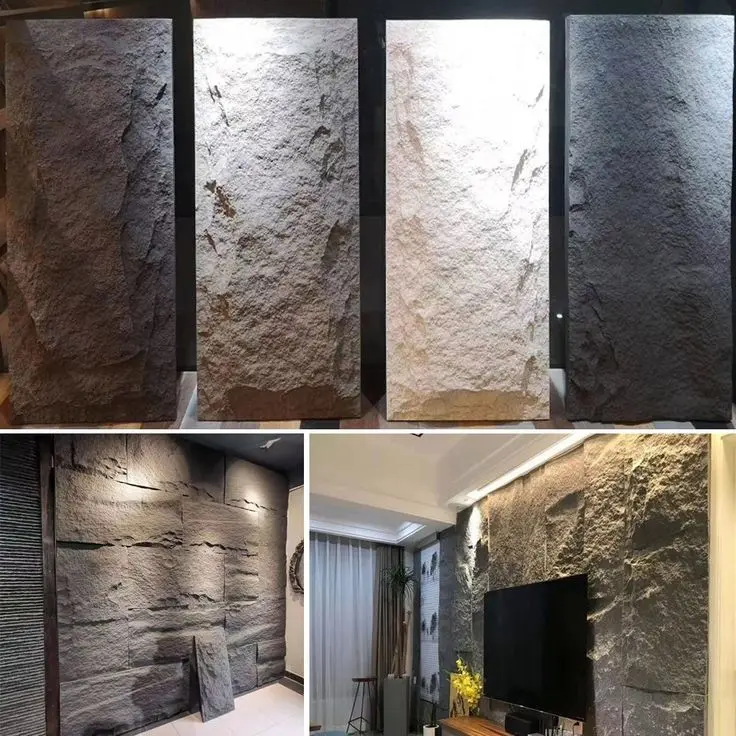
Engineered to replicate natural rock surfaces, our PU panels combine real stone textures with the insulation benefits of high-density polyurethane. These lightweight panels simplify installation and help reduce architectural loads on perimeter walls.
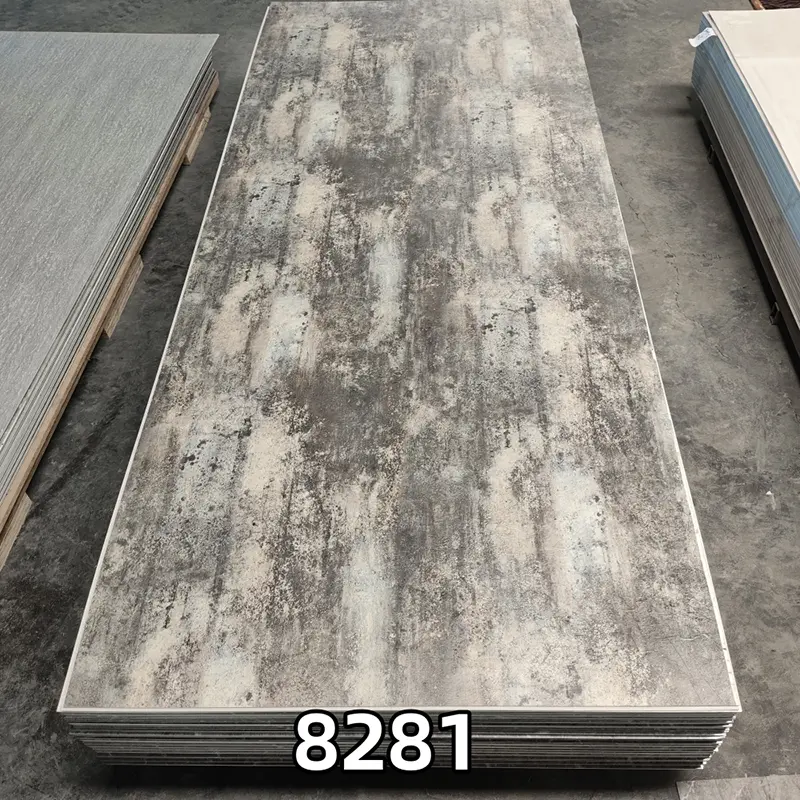
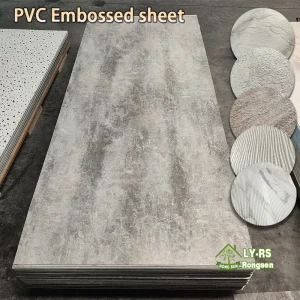
Designed with deep dimensional patterns, these sheets provide durable, high-impact surfaces for high-traffic commercial environments. The textured surfaces resist wear, scratches, and common cleaning chemicals while maintaining their appearance over time.
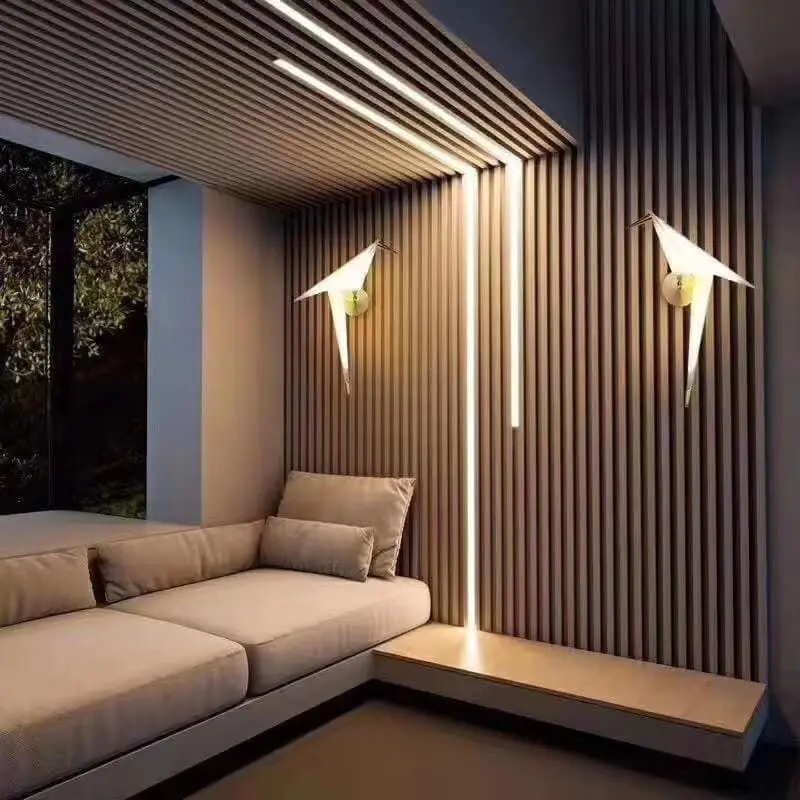
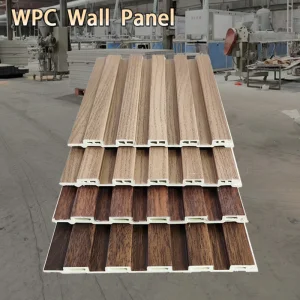
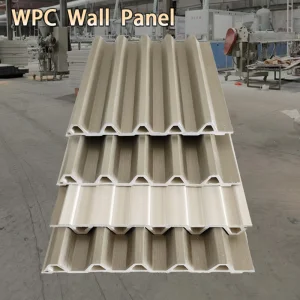
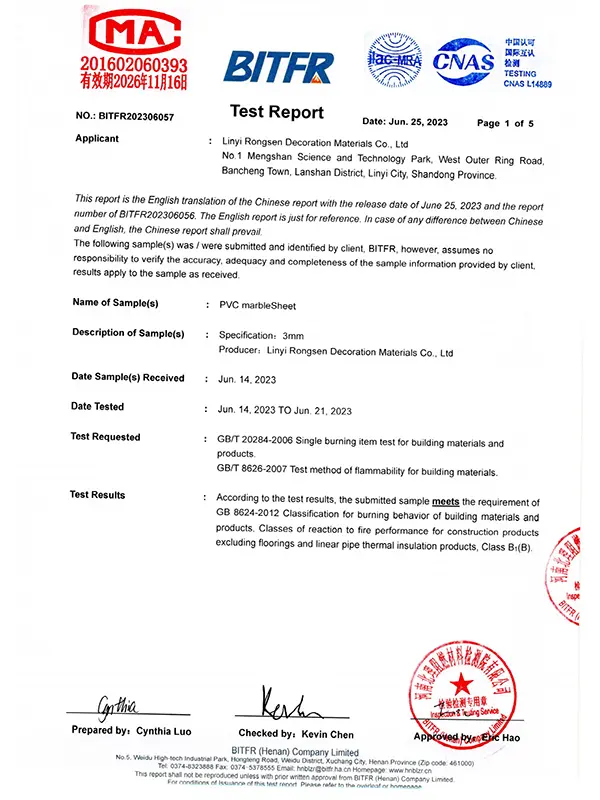
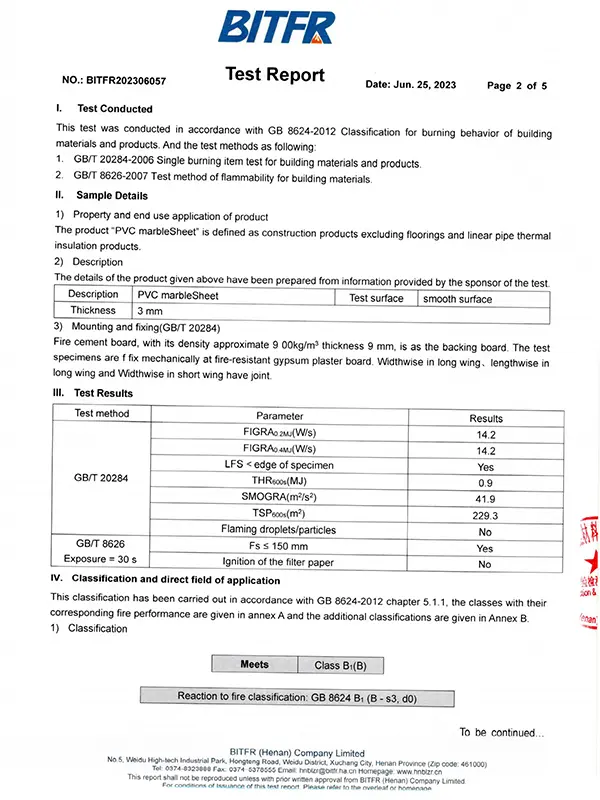
Engineered with a Class B1 flame-retardant rating, these interior composite panels feature a tongue-and-groove joint system that speeds up installation. The composite material limits water absorption, preventing structural swelling in damp indoor areas.
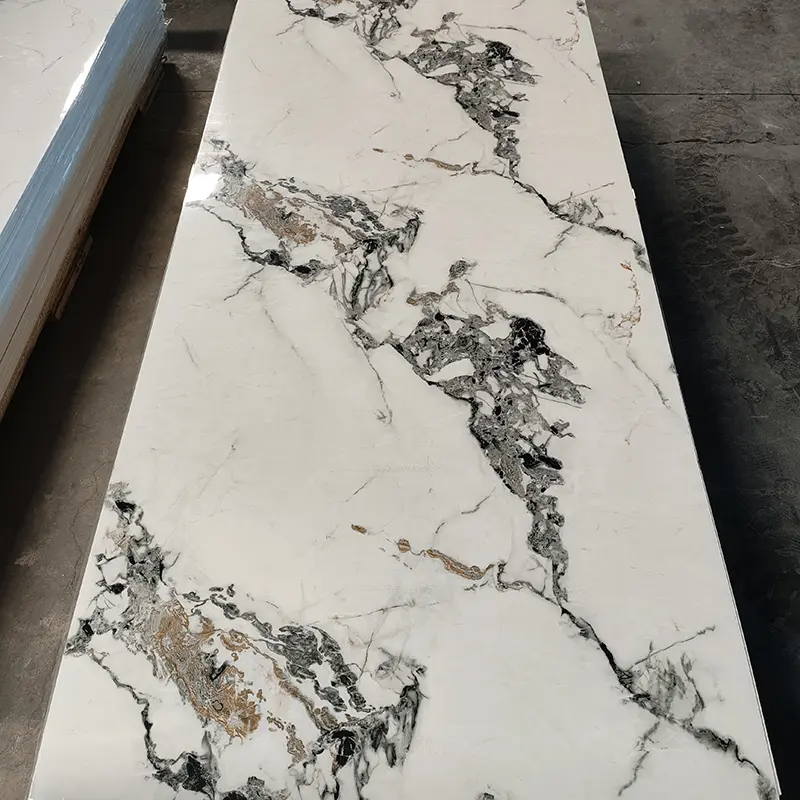
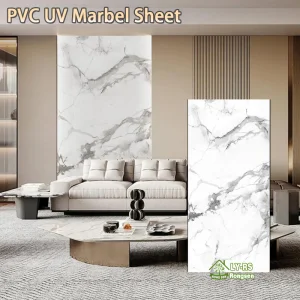
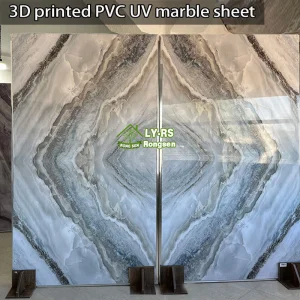
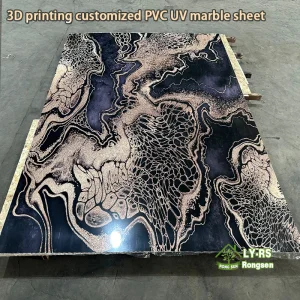
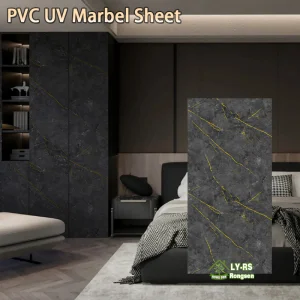
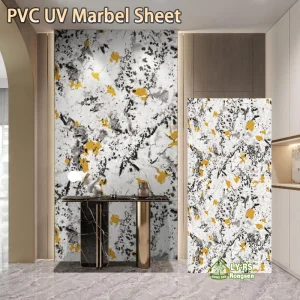
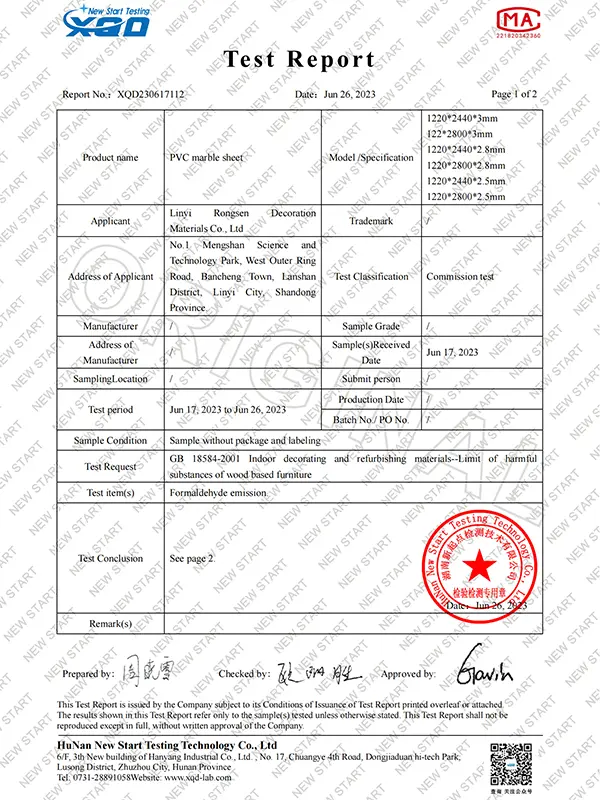
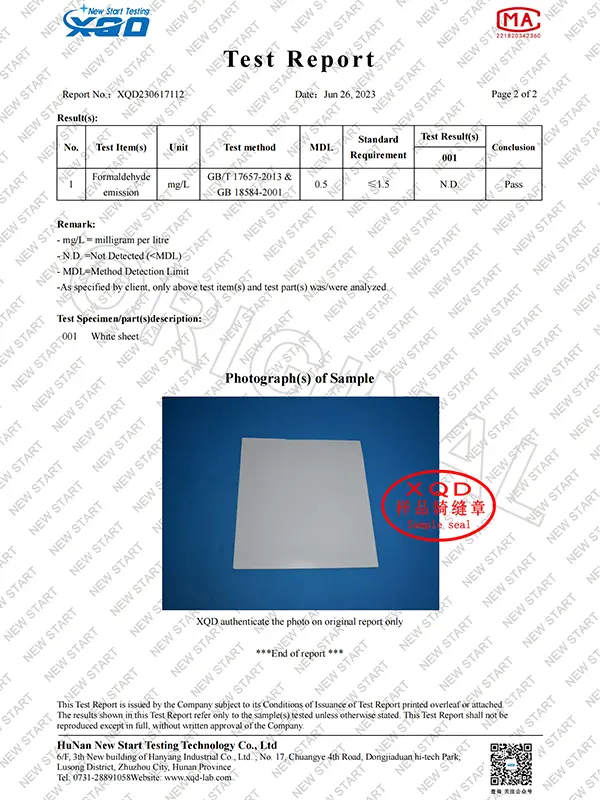
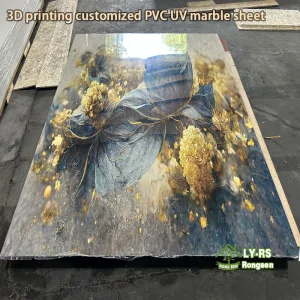
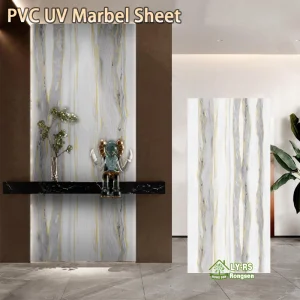
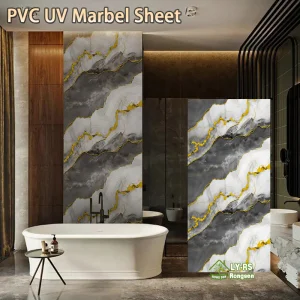
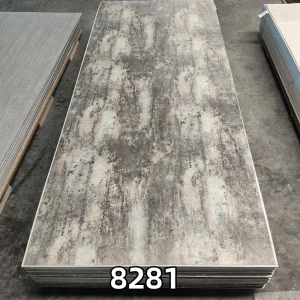
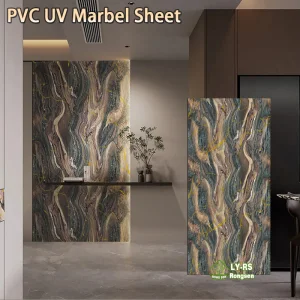
Formulated with 40% PVC, 58% calcium carbonate, and 2% stabilizer additives, these sheets replicate natural polished stone. Cured under ultraviolet lamps, the top coat resists chemical staining and fading, making it suitable for hotels, office lobbies, and commercial spaces.
Addressing common queries regarding WPC procurement, performance limits, and manufacturing options
Mono-extruded panels feature a uniform material composition throughout, exposing the wood fibers to ambient moisture and UV rays. In contrast, co-extruded panels are produced via dual-die extrusion, wrapping the composite core in a protective outer layer. This protective skin contains UV inhibitors, anti-fungal agents, and scratch-resistant modifiers, which substantially reduces color fading and moisture absorption over time.
Thermal dimensional changes are controlled by balancing the ratio of wood flour to polymer in the core matrix. High wood content reduces thermal movement but increases moisture susceptibility, whereas higher polymer ratios reverse these effects. We balance these properties by using specialized coupling agents (like MAPE) and recommending installation spacing guidelines (typically 3-5mm gaps) to prevent buckling in extreme climates.
Our WPC outdoor panels are tested to meet international fire standards, including EN 13501-1 Class B1 and ASTM E84 Class A. During manufacturing, we incorporate clean flame retardants that slow ignition times and reduce smoke generation without releasing toxic halogenated compounds.
Linyi's extensive freight consolidation infrastructure connects directly to Qingdao and Lianyungang ports. By combining rail networks with direct container shipping routes, we reduce land freight costs and minimize transit times to destinations worldwide.
Expanded specifications of polymer composite, stone textures, and architectural profiles
 Rongsen