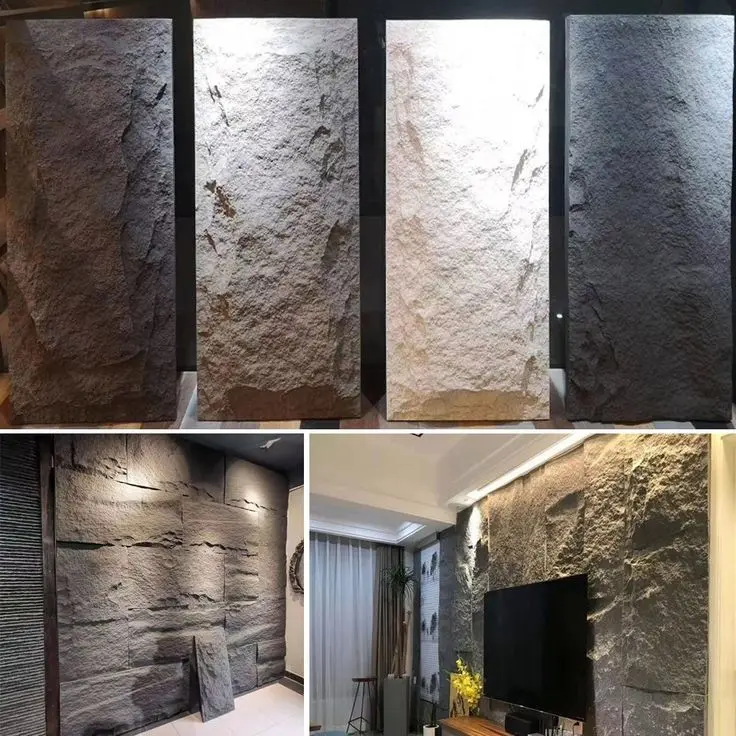
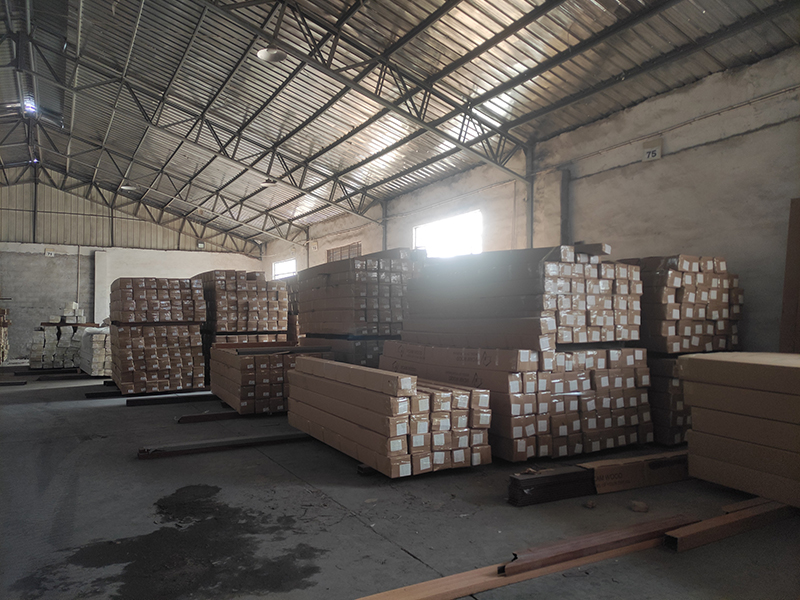
Industrial grade exterior & interior composite panels optimized for high durability and environmental standards.
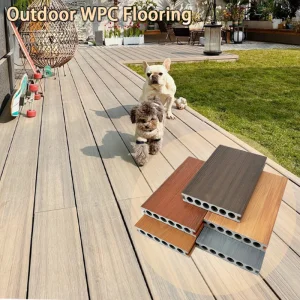
An in-depth look at how Wood Plastic Composite materials are restructuring architectural project requirements worldwide.
The global construction industry is undergoing an unprecedented shift toward building materials that satisfy both rigorous environmental mandates and extreme performance requirements. Wood Plastic Composite (WPC) flooring has emerged as a frontrunner in this paradigm change. According to recent macro-economic analyses, the global WPC market is projected to reach USD 12.5 billion by 2030, showing a compound annual growth rate (CAGR) of over 9.5% from 2023 onwards.
This growth is driven by the intrinsic structural benefits of WPC. By combining high-density polymers (such as polyvinyl chloride, PVC, or polyethylene, PE) with processed wood fiber, manufacturers achieve a composite matrix that eliminates the fundamental weaknesses of natural wood—vulnerability to water rot, termite attack, and structural warping—while maintaining the visual warmth and acoustic benefits of timber. Unlike traditional laminate, which uses an easily saturated MDF core, WPC is entirely waterproof, making it highly valued in both light-commercial developments and challenging residential zones.
Historically, building specifiers were forced to choose between the aesthetic value of solid hardwood and the utilitarian durability of ceramic tiles. WPC bridges this gap by offering:
Precision manufacturing rooted in the logistics heart of China, exporting quality globally.
Based in Linyi, Shandong Province, known as the "Logistics Capital of China", Linyi Rongsen enjoys close proximity to primary deep-water ports. This location minimizes transport times and optimizes container shipping costs, passing substantial freight savings to our international buyers.
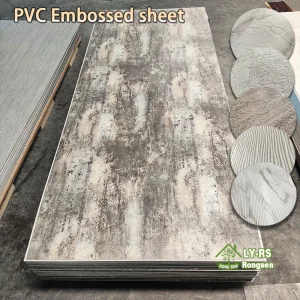
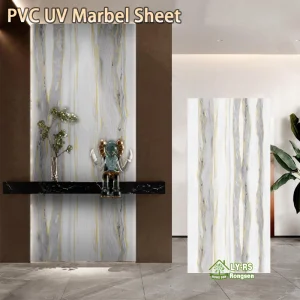
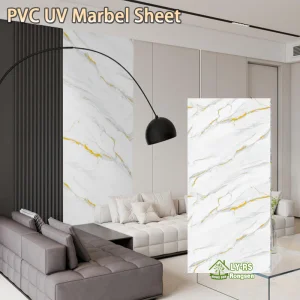
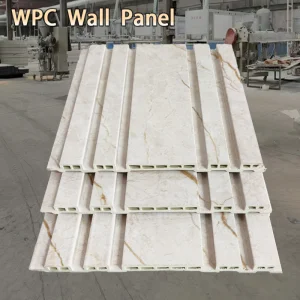
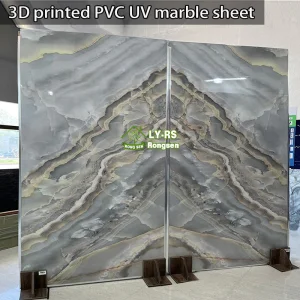
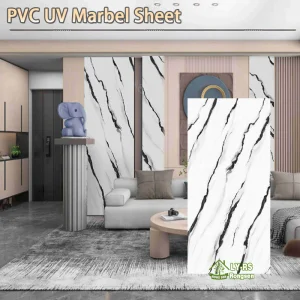
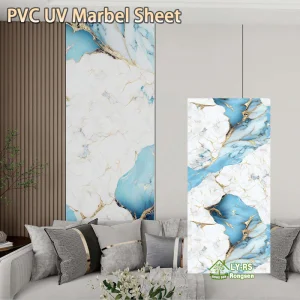
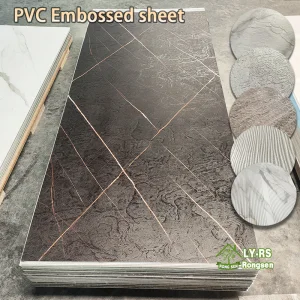
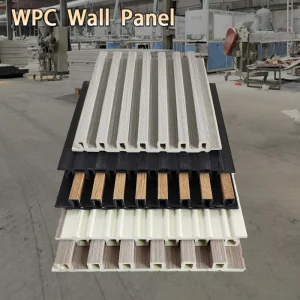
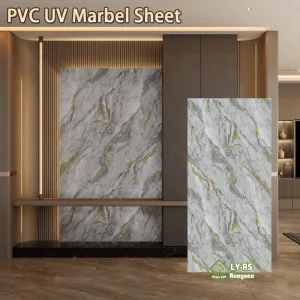
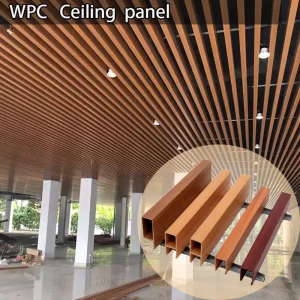
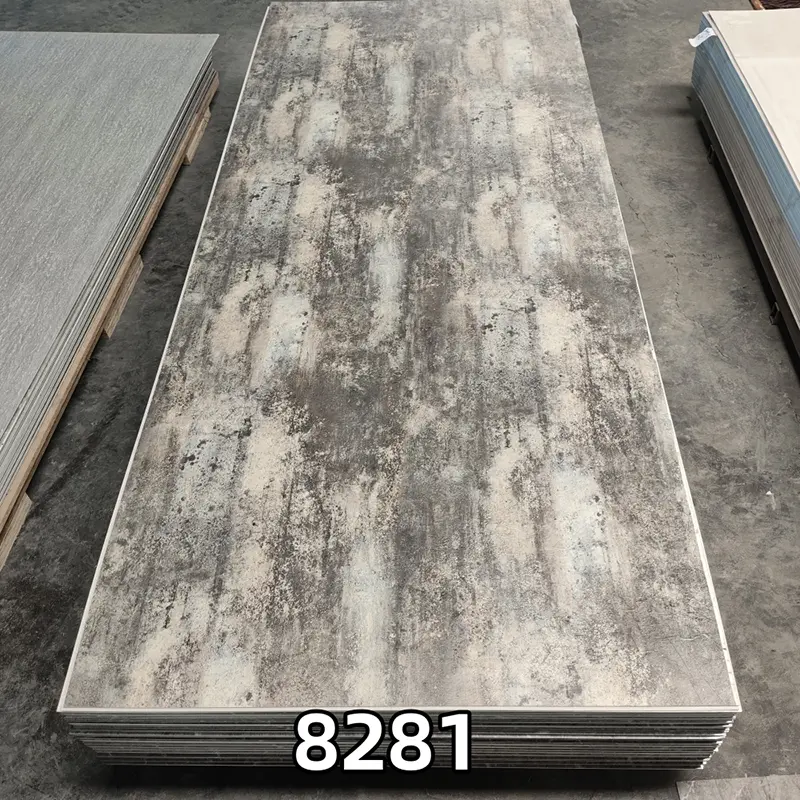
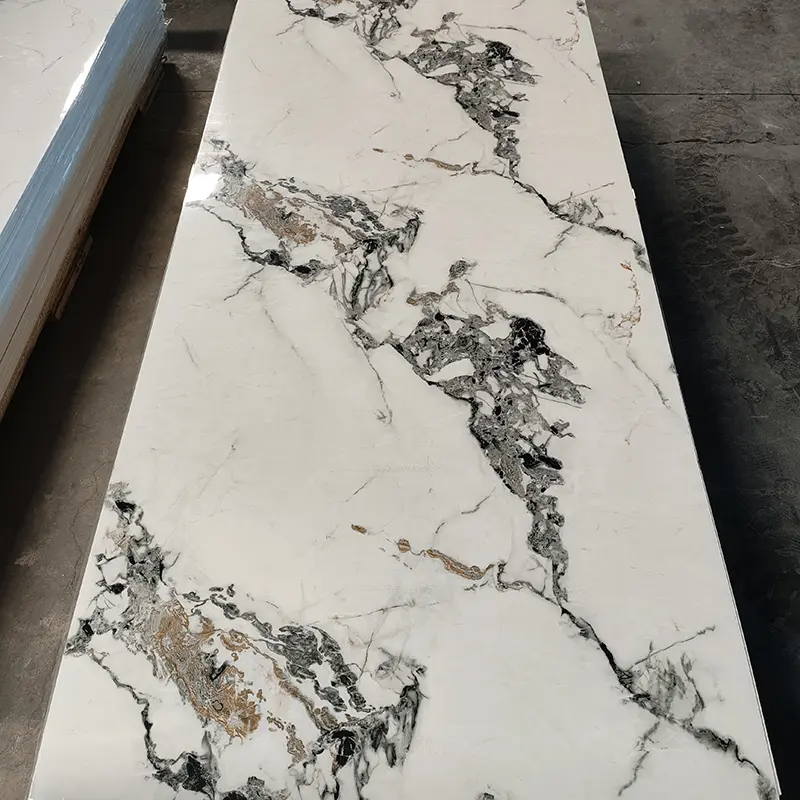
Our core manufacturing capabilities include PVC UV marble panels, PVC embossed panels, 3D printed backdrops, PS wall panels, WPC wall panels, PU stone wall panels, and structural decorative trims. Our commitment to quality control guarantees that each production run aligns with international standards.
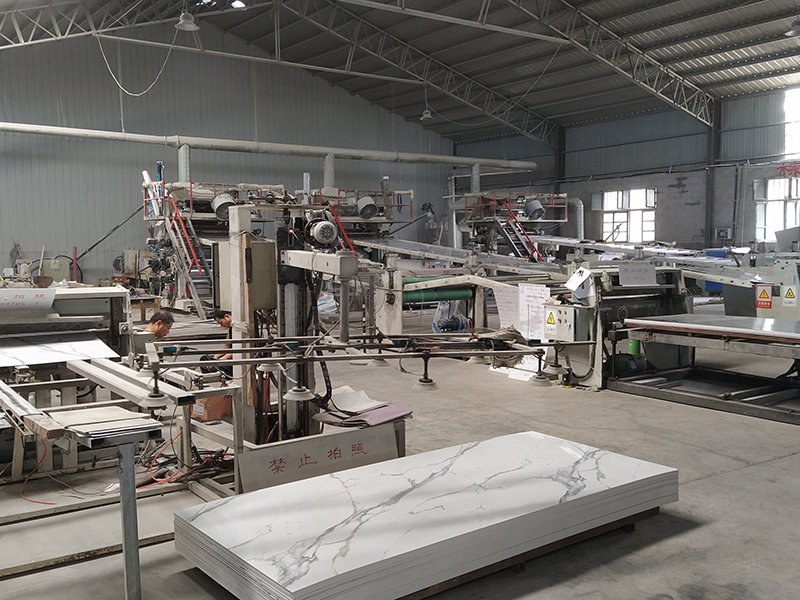
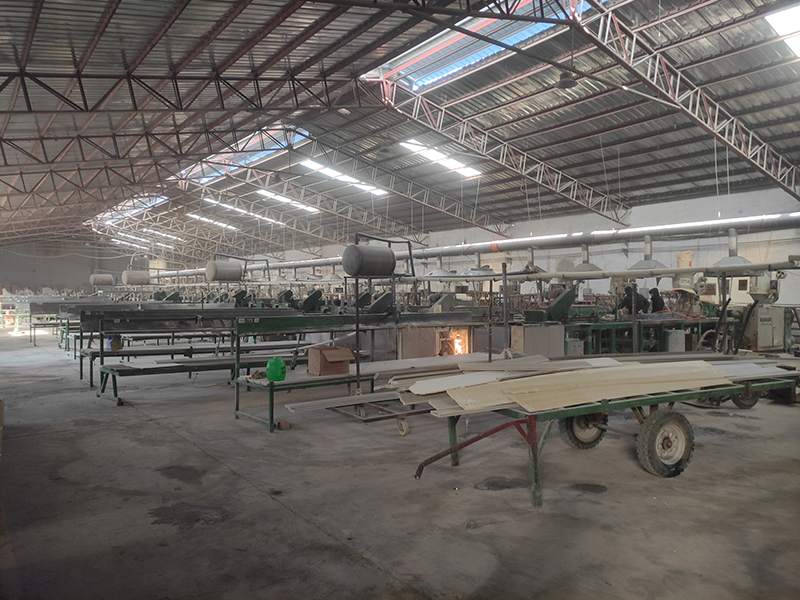
Figure 1: Our facility features advanced extrusion and laminating lines that operate under strict temperature parameters to ensure structural homogeneity.
The core values that guide our research, production, and international logistics operations.
We combine advanced polymer extrusion methods with aesthetic design. From fine-grain rock textures to deep fluted configurations, each profile is engineered to satisfy architectural demands and long-term durability standards.
Handling international trade requirements requires precision. Our export team coordinates shipping logistics, customs compliance, and load management to keep deliveries on schedule and avoid extra port fees.
Our quality assurance protocol monitors raw materials from mixing through extrusion to final packaging. We test for impact resistance, dimensional shift under heat, and surface wear layer durability before container loading.
Understanding the molecular science behind modern Wood Plastic Composites and their future developments.
Standard WPC utilizes a single-layer extrusion process where wood flour, thermoplastic polymers, and structural additives are mixed and shaped. Linyi Rongsen has expanded this methodology through the deployment of Co-Extrusion Technology. Co-extruded WPC features an outer protective polymer shield that encapsulates the inner core on all 360 degrees. This shield uses specialized ultraviolet light stabilizers and scratch-resistant additives, ensuring color stability even under direct solar radiation.
Our research team is currently focusing on three key technological areas to optimize our products:
1. Capping Layer (Shield): Cross-linked polymer layer containing anti-oxidants, UV absorbers, and anti-static compounds. Inhibits moisture and prevents fading.
2. Interface Bonding Zone: A molecular bonding layer created during co-extrusion to prevent peeling between the core and the shield.
3. Composite Core: Homogeneous blend of 60% wood fiber, 30% synthetic resin, and 10% chemical additives (lubricants, coupling agents, fire retardants, and coloring agents).
How WPC flooring, wall systems, and PS wall panels serve different projects and climates.
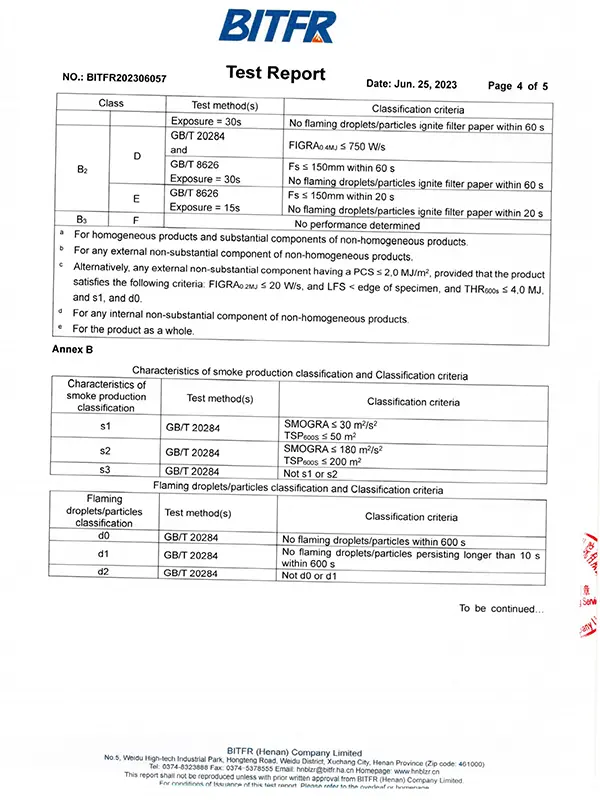
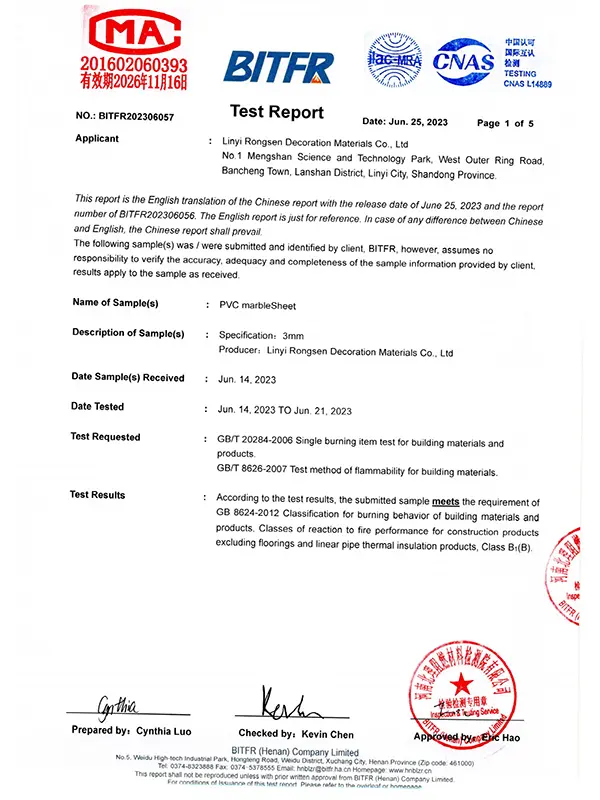
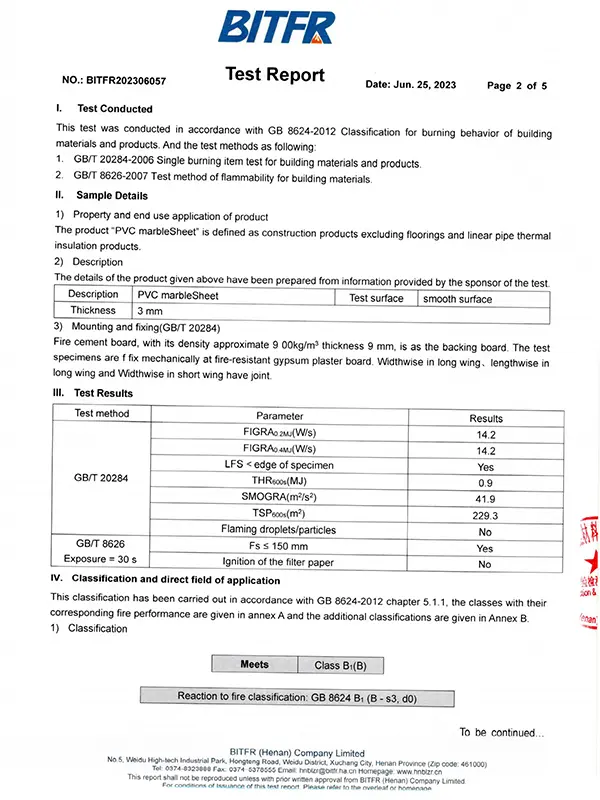
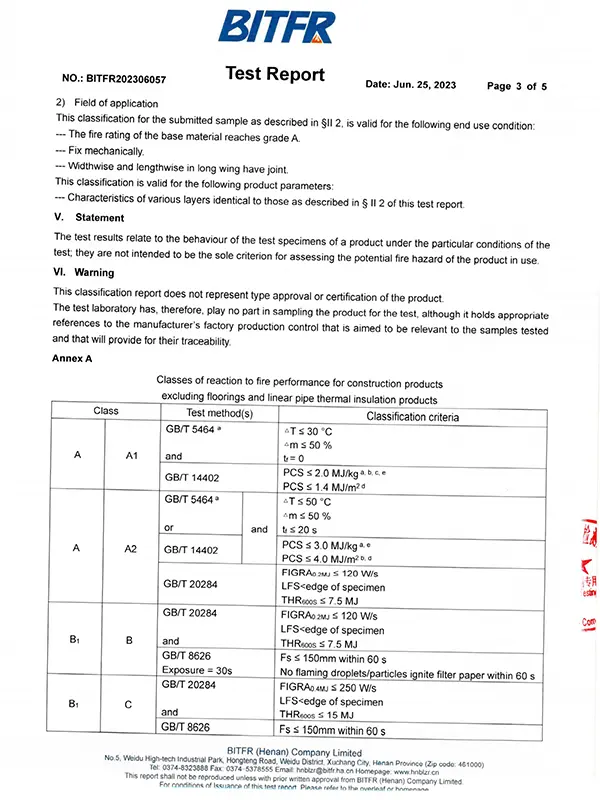
Hotels, retail malls, and office environments require durable, impact-resistant flooring. Our WPC and PVC embossed panels are engineered to handle high foot traffic. With a Class B1 flame retardant rating, they satisfy building fire safety codes, and their ease of cleaning helps reduce maintenance costs.
In high-moisture areas like kitchens, bathrooms, and exterior decks, traditional wood often suffers from water damage. Our round-hole co-extruded outdoor flooring offers reliable drainage and resists warping, rotting, and decay in humid climates.
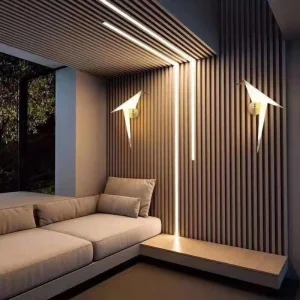
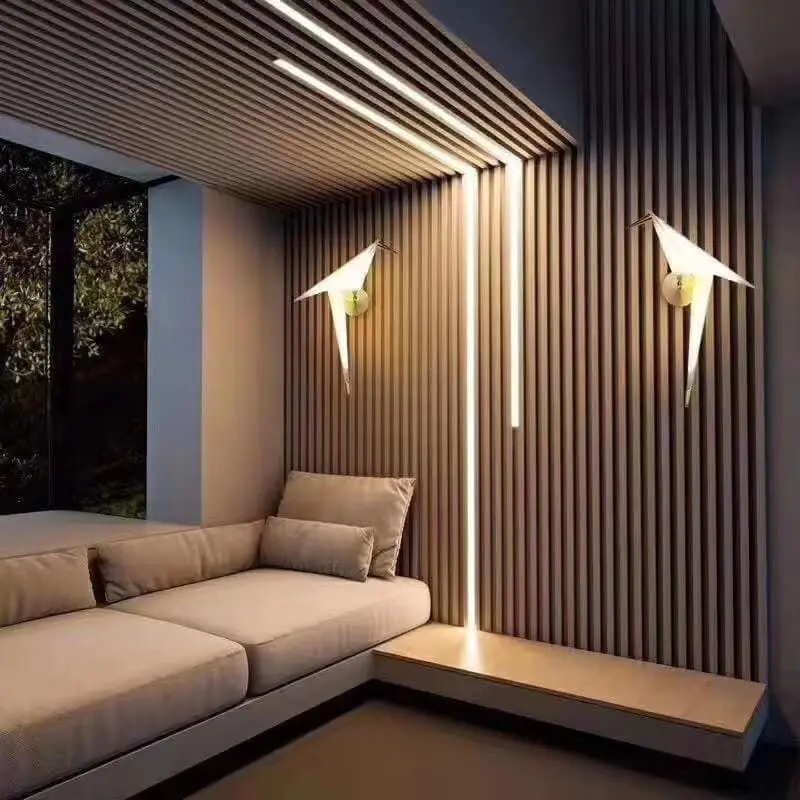
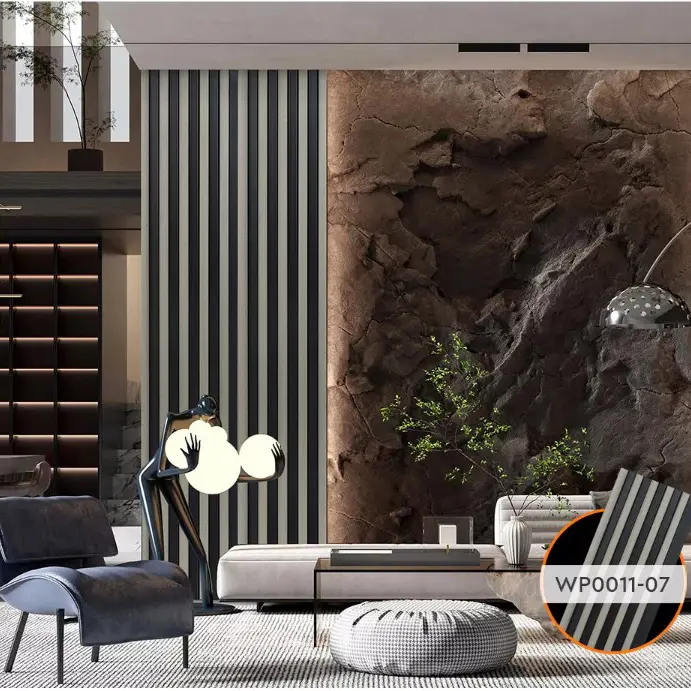
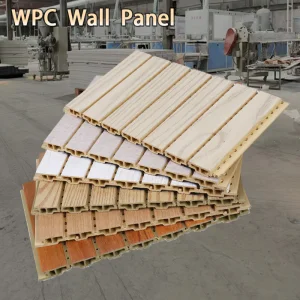
For theaters, offices, and conference rooms, our sound-absorbing WPC fluted wall panels provide acoustic control. They reduce echo and flutter, improving speech intelligibility while contributing to a modern interior design.
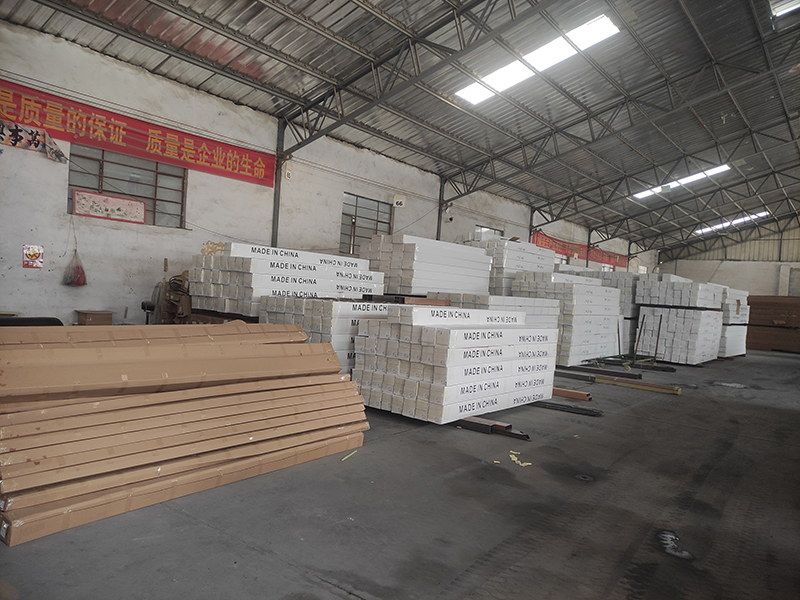
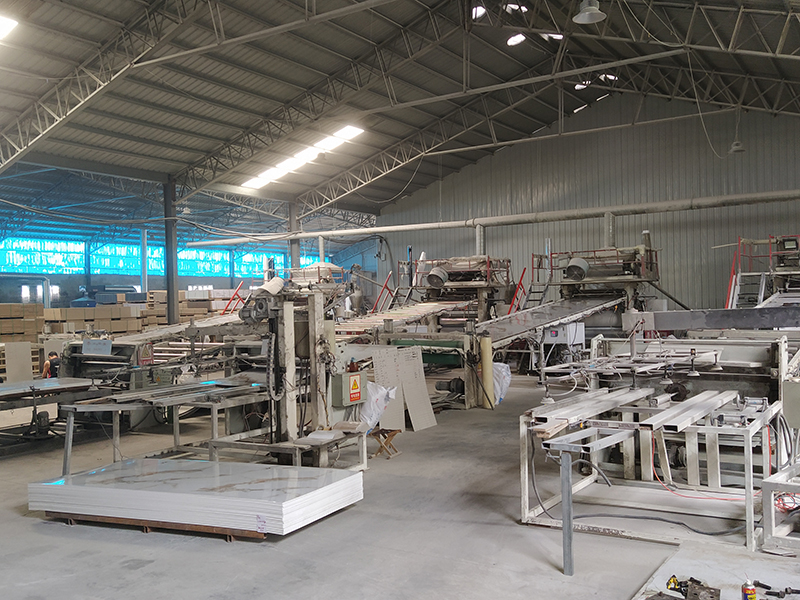
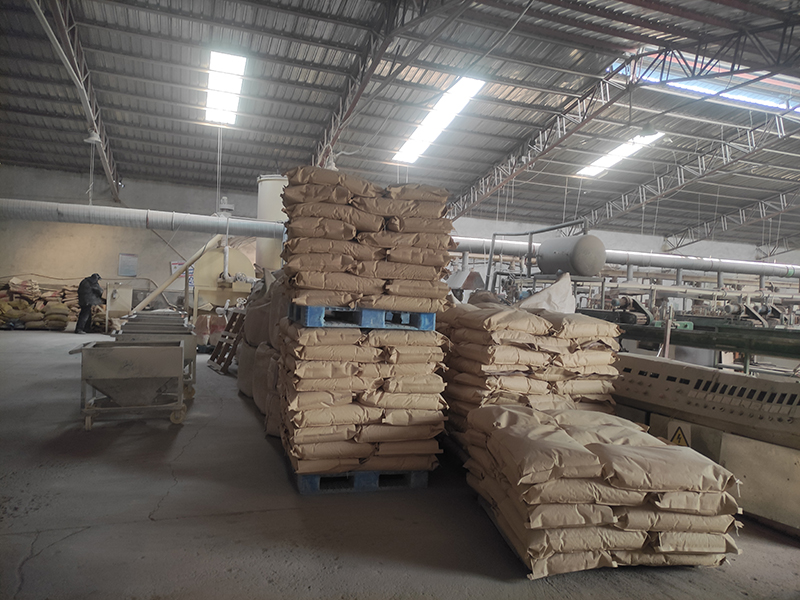
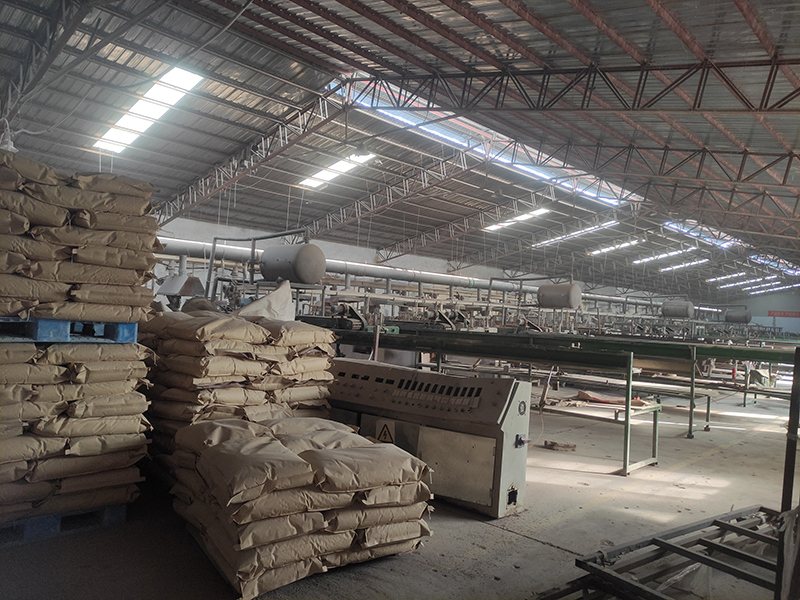
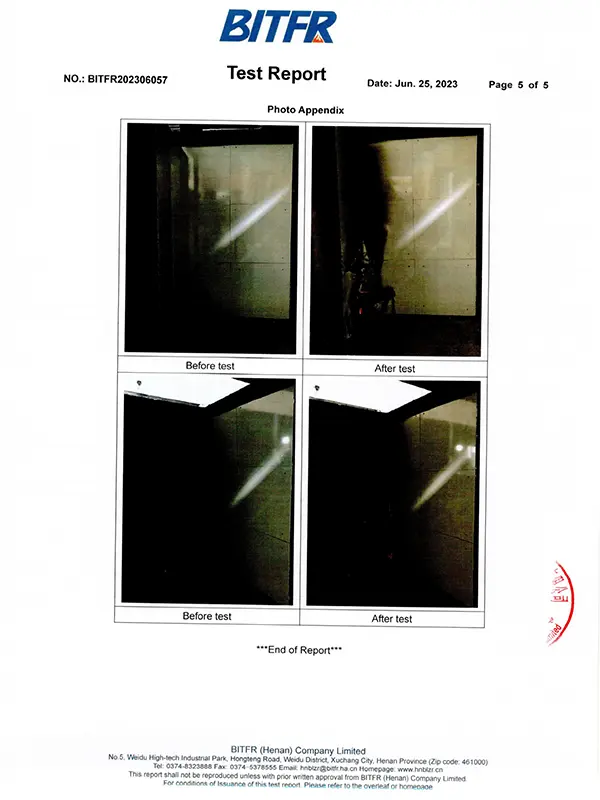
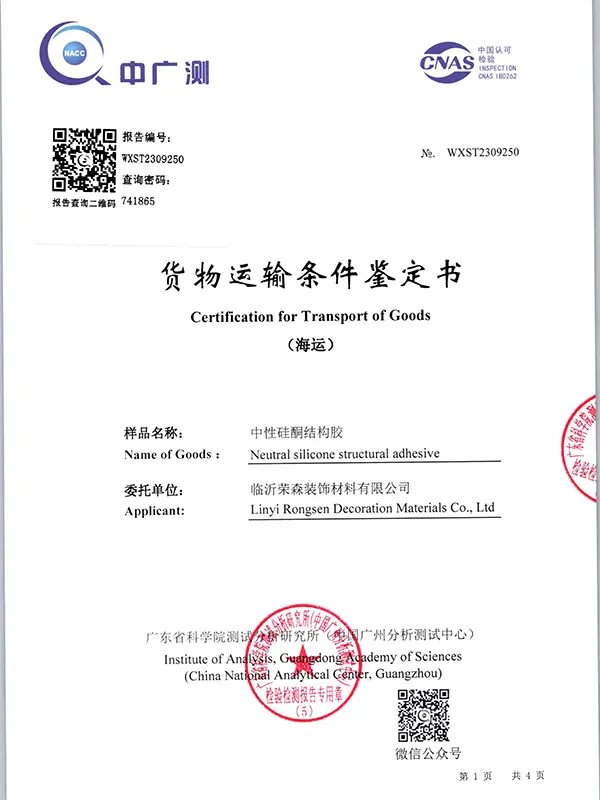
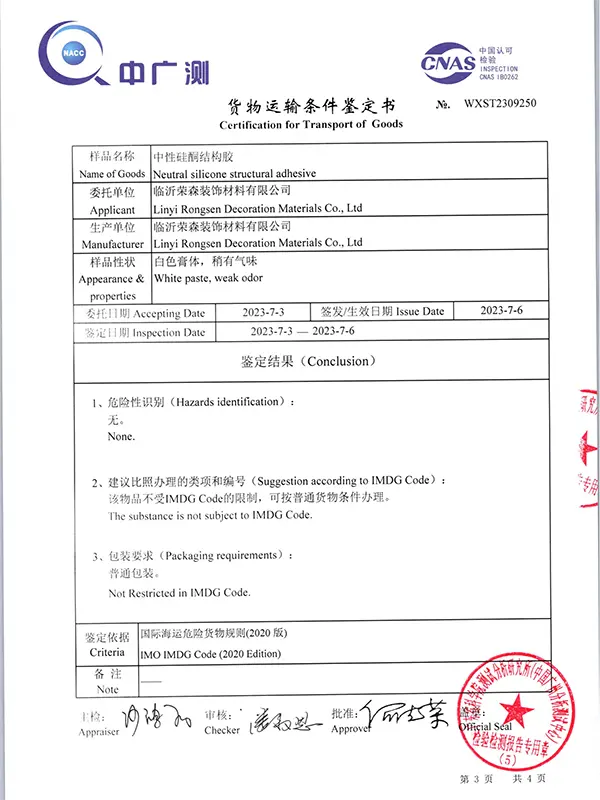
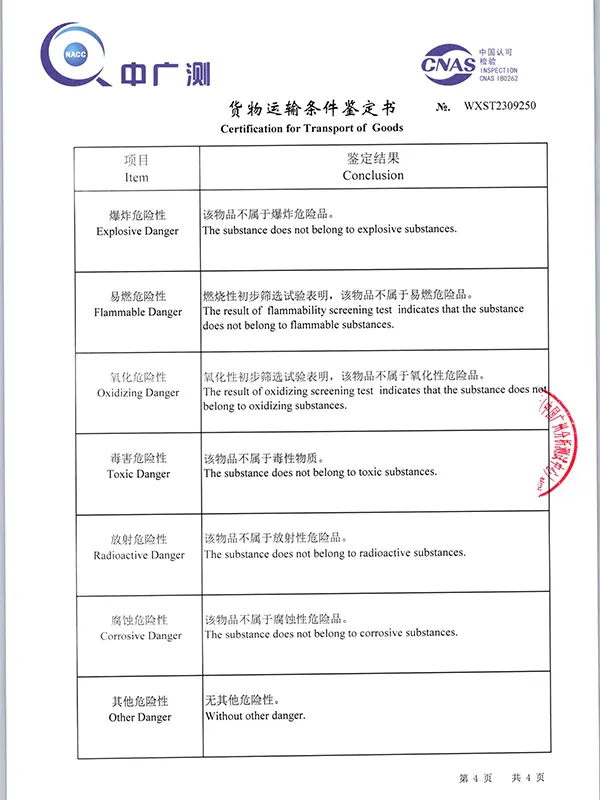
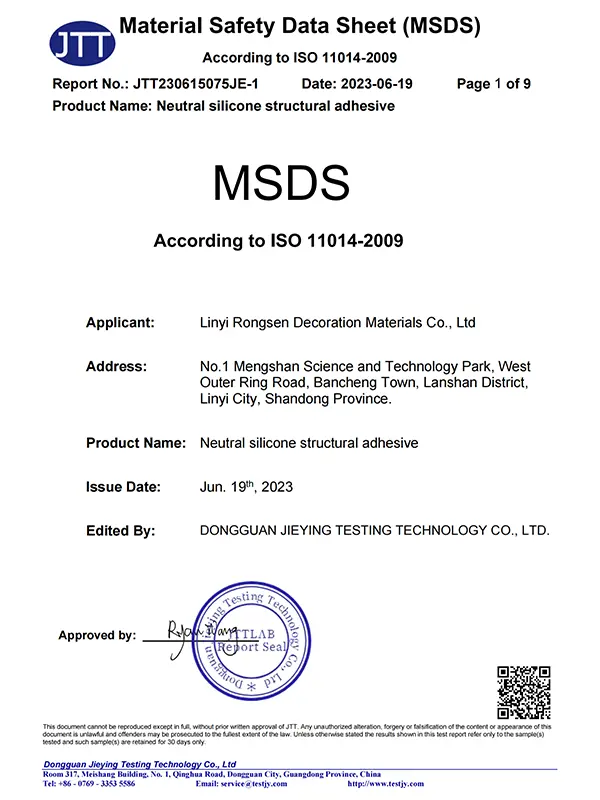
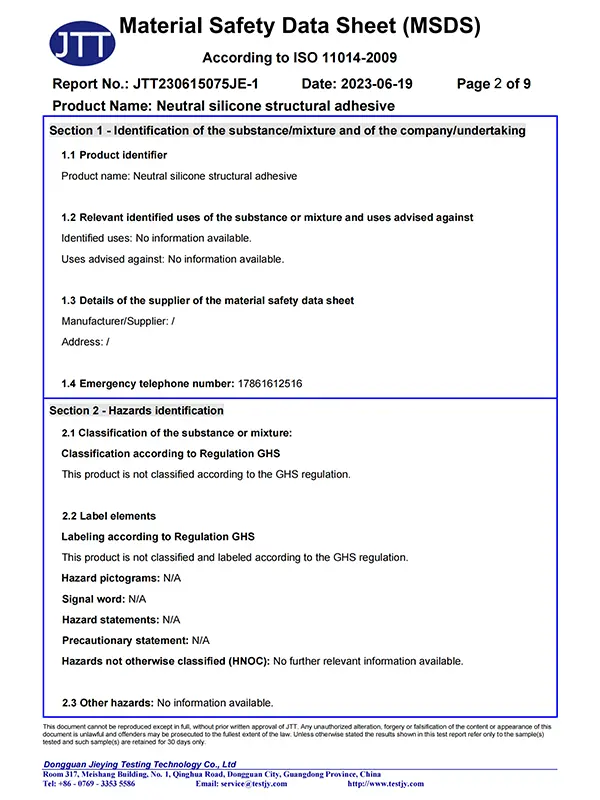
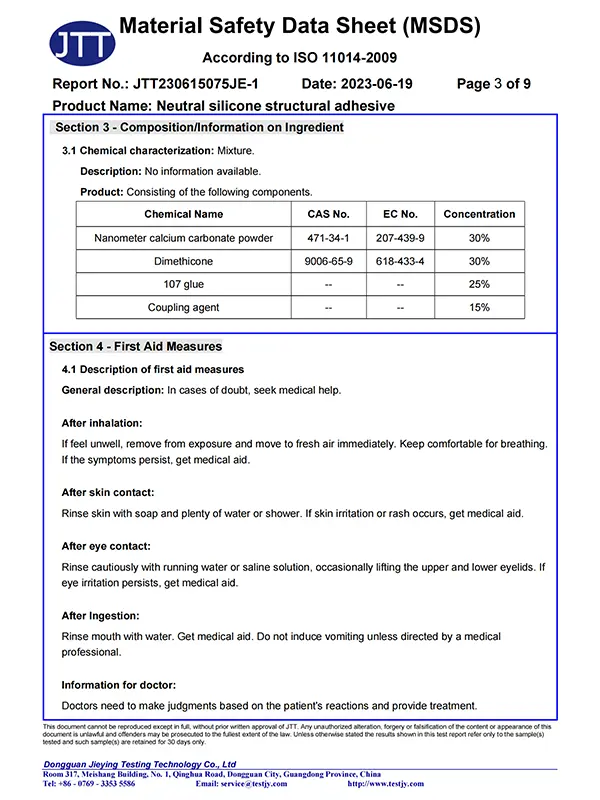
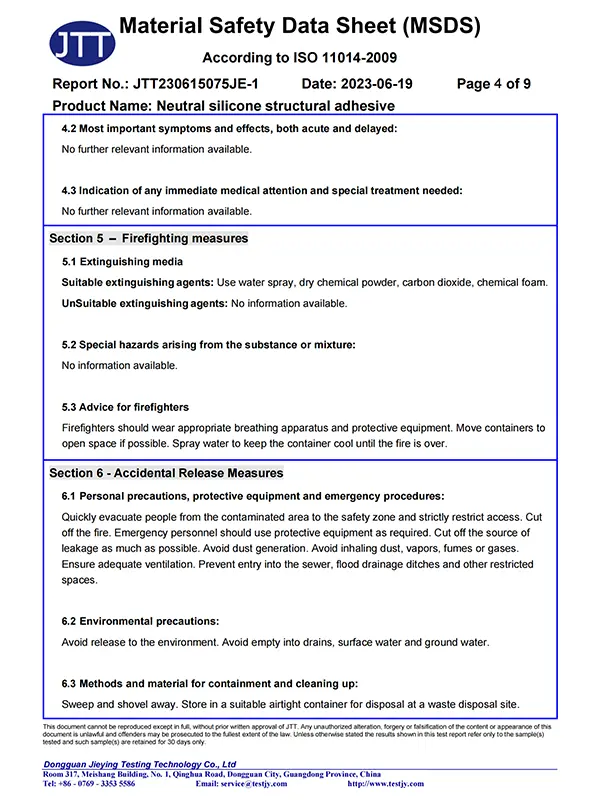
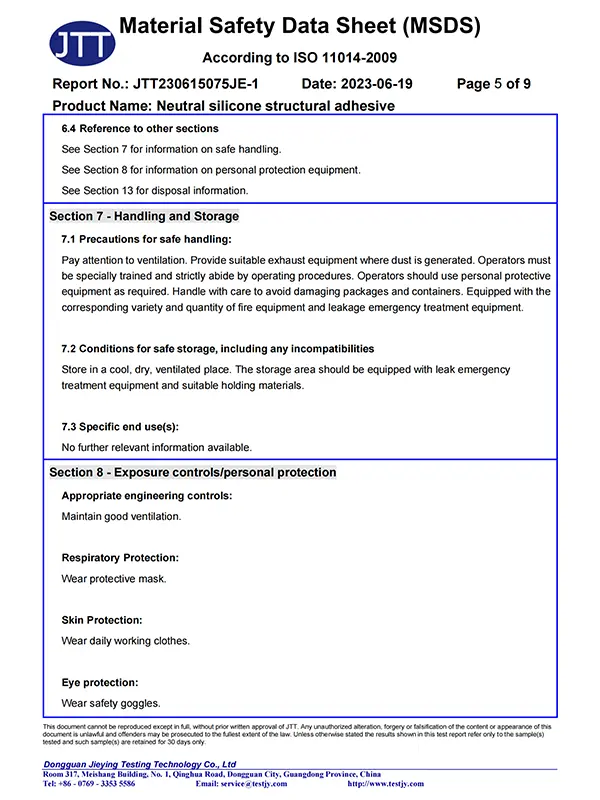
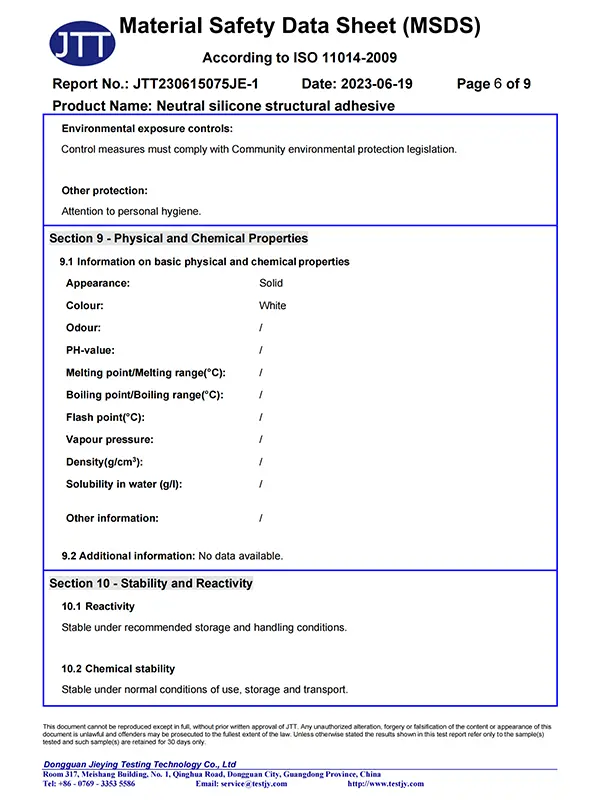
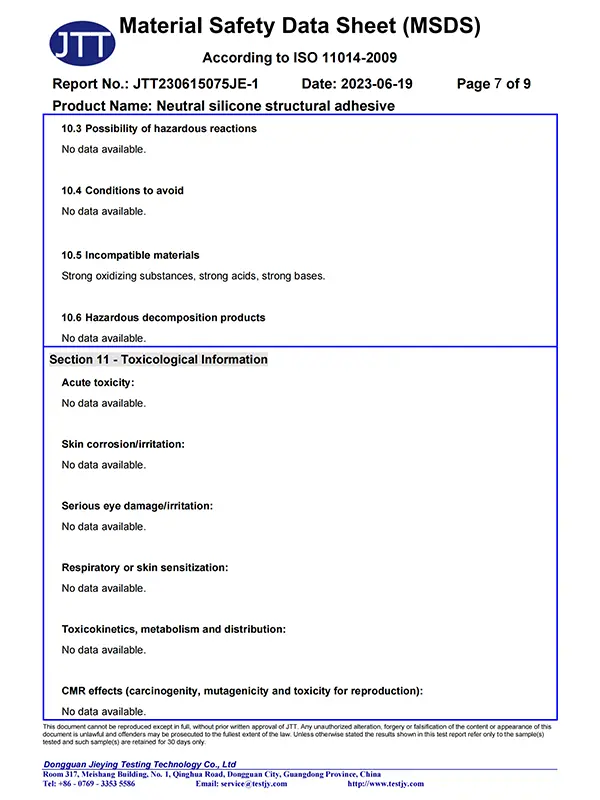
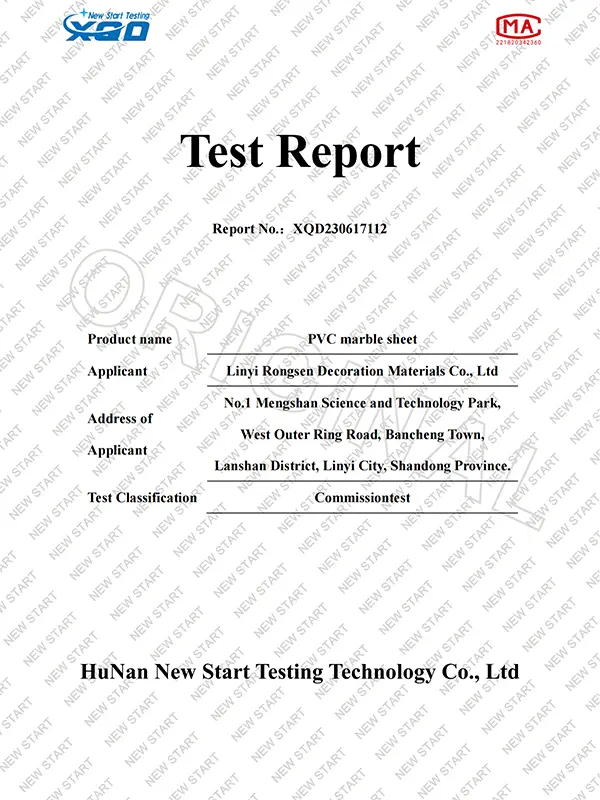
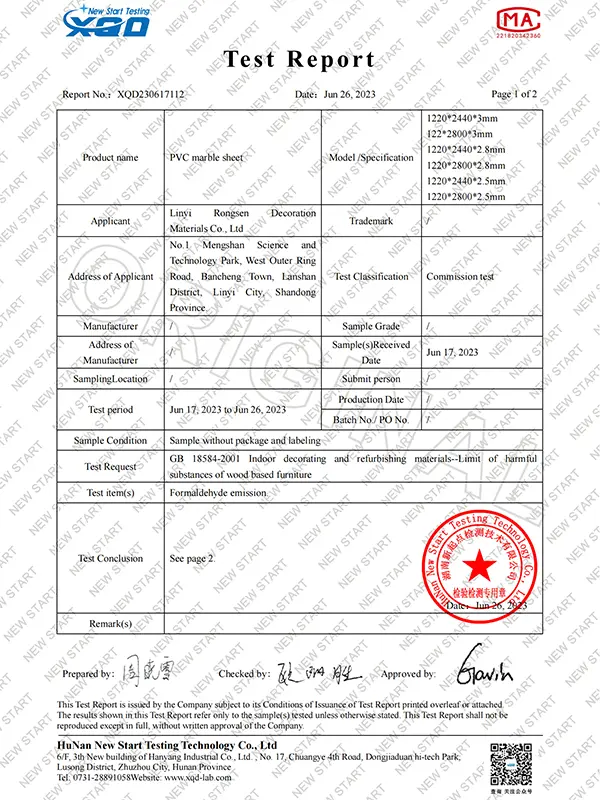
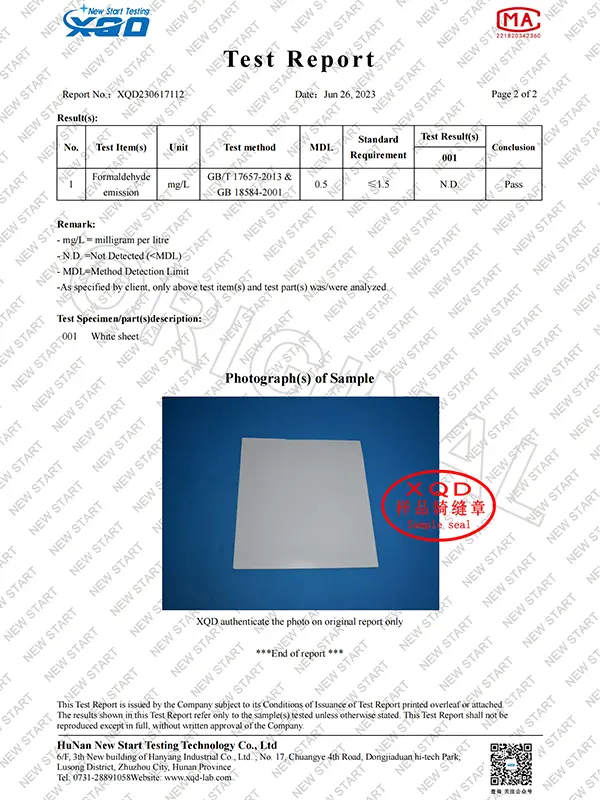
Our manufacturing facility meets global compliance frameworks, ensuring quality and material safety.
Answers to common technical, shipping, and installation questions about WPC products.
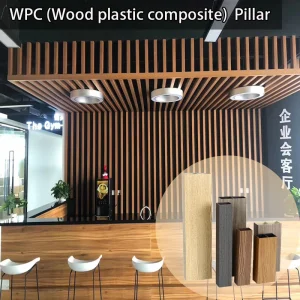
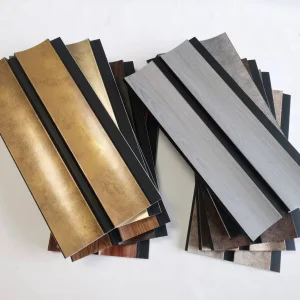
Select profiles from Linyi Rongsen, including stone-effect finishes, acoustic solutions, and structural columns.
Request product catalogs, custom dimensions, or pricing proposals from Linyi Rongsen.
+86 17861612516
+86 19715396916
200 meters east of the intersection of Jinluo 4th Road and Xincheng 2nd Road in Jinluo Industrial Park, Bancheng Town, Lanshan District, Linyi City, Shandong Province, China
 Rongsen