Engineered for architectural durability, structural integrity, and aesthetic flexibility. Explore our premium selection of export-ready exterior and interior cladding options.
The global demand for Wood-Plastic Composite (WPC) wall panels has experienced exponential growth over the past decade. Driven by shifting architectural mandates, rigorous environmental regulations, and the rising cost of traditional timber, commercial developments worldwide are prioritizing resilient synthetics. As building specifications transition toward carbon-neutral materials, WPC stands at the center of this revolution, blending the aesthetic warmth of biological timber with the engineering durability of thermosetting polymers.
From a macroeconomic perspective, structural shifts in regional green building indices—such as LEED v4.1 in North America and the EPD (Environmental Product Declaration) frameworks in the European Union—have mandated that real estate developers reduce embodied carbon footprints. Standard lumber panels require extensive preservation treatments using chemical toxic agents. In contrast, modern WPC boards utilize upcycled industrial wood waste and recycled high-density polyethylenes (HDPE) or polyvinyl chlorides (PVC), transforming potential land waste into structural architectural skins.
Consequently, global procurement offices are restructuring their supply chains, transitioning sourcing activities to integrated manufacturing clusters in Eastern China. Linyi, widely recognized as the Logistics Capital of China, acts as the primary nerve center for this industry. By placing manufacturing facilities directly within large-scale raw material supply corridors and deep-water logistics networks, suppliers in this zone can stabilize raw material prices, guarantee consistent batch quality, and offer competitive pricing structures compared to localized operations in Western Europe or North America.
Environmental Compliance: Global regulations limiting harvesting of high-grade natural timber have forced standard cladding operations to seek composite replacements.
High Durability: Demands for maintenance-free architectural solutions with service life spans exceeding 20 years without painting, staining, or sealing.
Supply Chain Integration: Large-scale infrastructure projects require vertical integration of raw materials and logistics to minimize transit delays.
An in-depth analysis of co-extrusion technology, matrix polymers, and thermal-mechanical enhancement formulas.
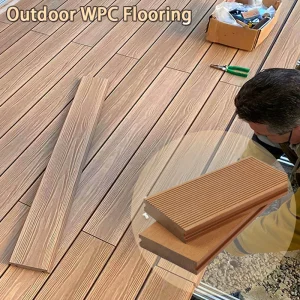
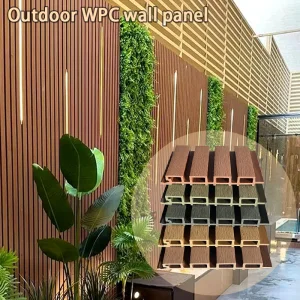
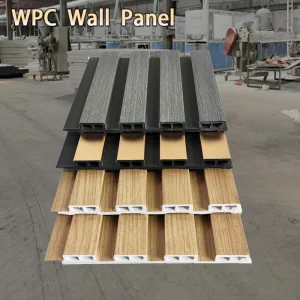
Modern exterior wall panels rely on advanced 360-degree co-extrusion technology. This co-extruded shield contains UV inhibitors, anti-fungal additives, and durable pigmentation compounds. The cap protects the inner wood-polymer core against moisture absorption, cracking, and solar degradation.
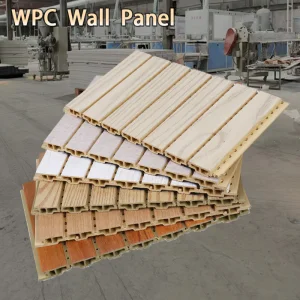
The molecular composition blends 55-60% wood fiber (hardwood particles), 30-35% high-density thermoplastics (recycled HDPE or structural PVC), and 5-10% specialized chemical additives. These compatibilizers bridge organic wood fibers with synthetic resins, maximizing structural shear strength.
By optimizing the wood-to-polymer ratio and utilizing controlled density variations, quality-focused manufacturers reduce the thermal expansion coefficient. High-quality panels remain structurally stable across diverse temperature zones, preventing warping during cold winter nights and hot summer days.
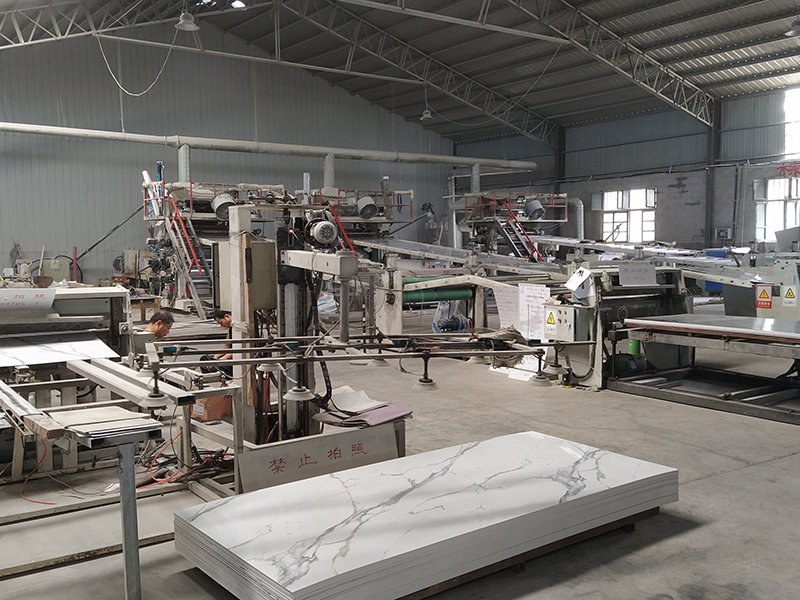
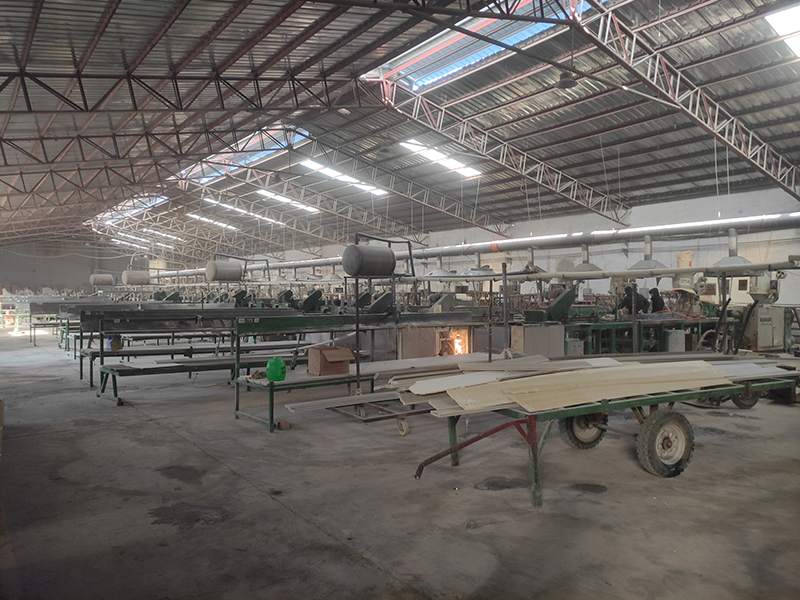
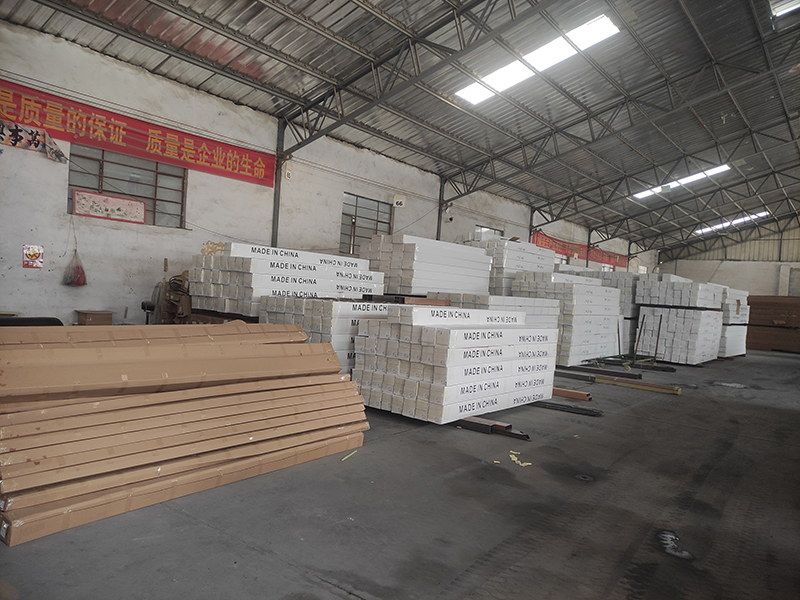
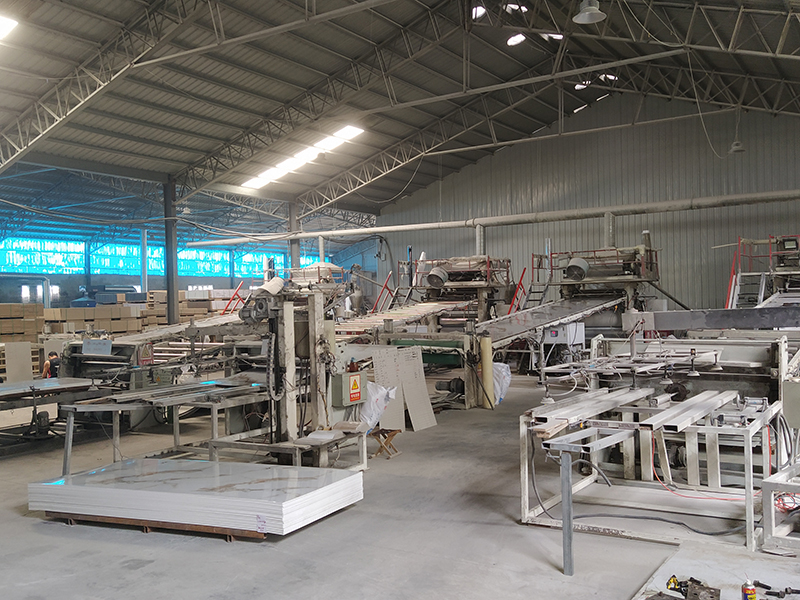
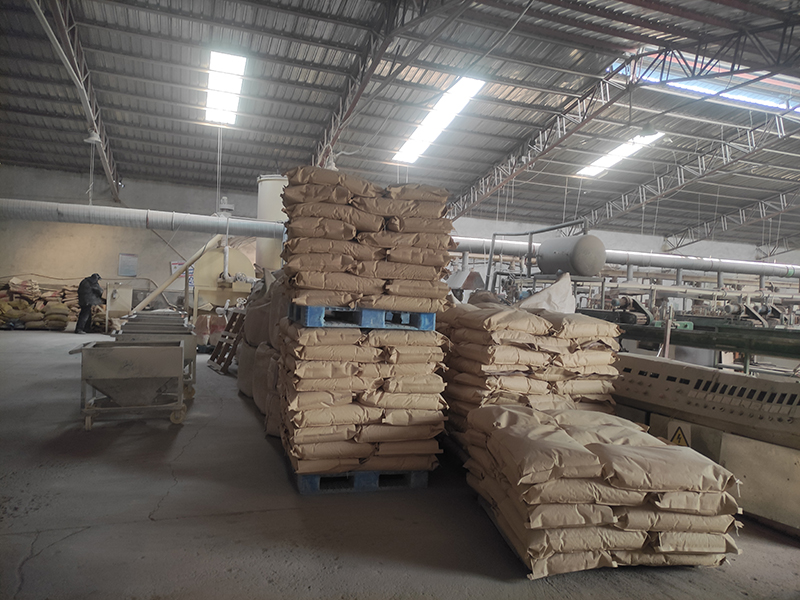
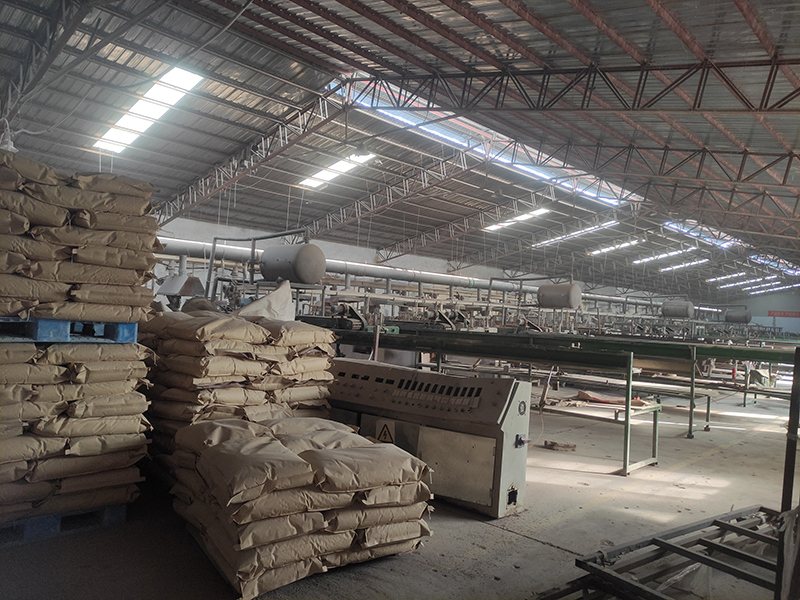
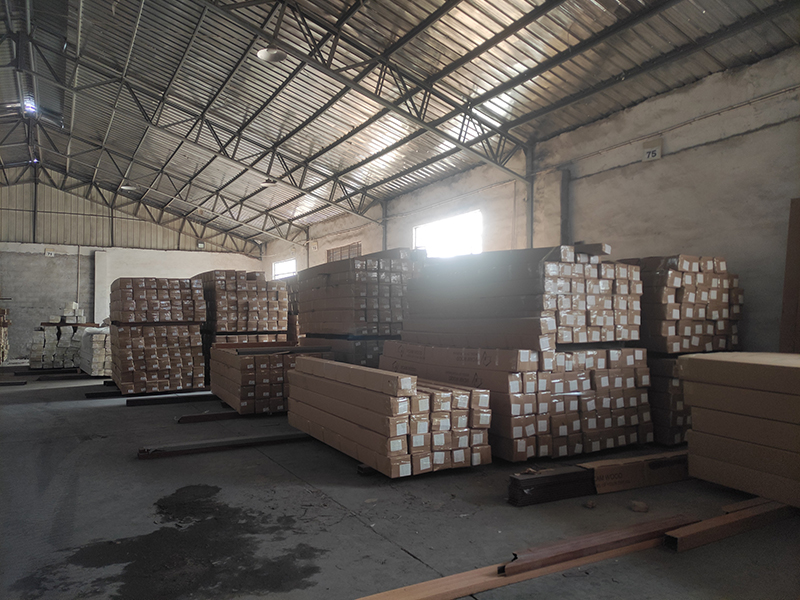
Linyi Rongsen Decoration Material Co., Ltd. is located in Linyi, Shandong Province, China. Linyi is known as the "Logistics Capital of China" and is strategically located near major ports. Our strategic location provides us with unparalleled connectivity, and our proximity to major ports ensures seamless global shipping networks.
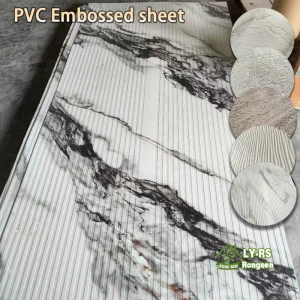
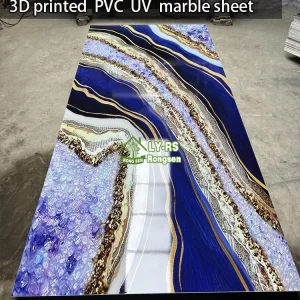
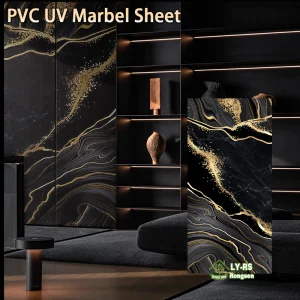
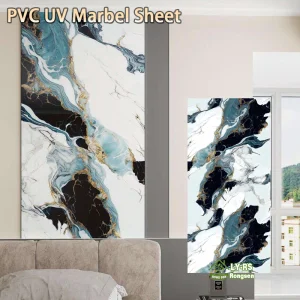
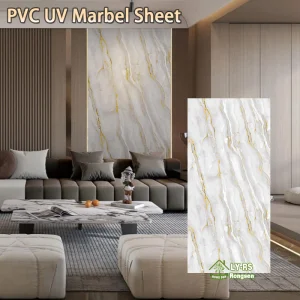
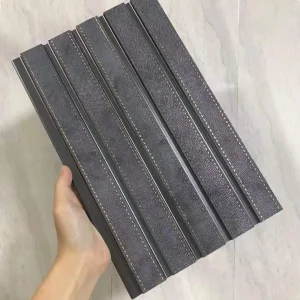
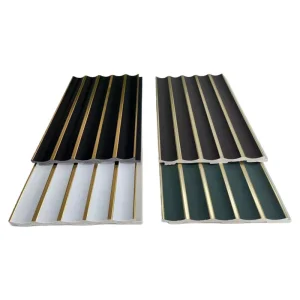
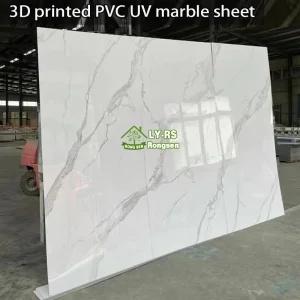
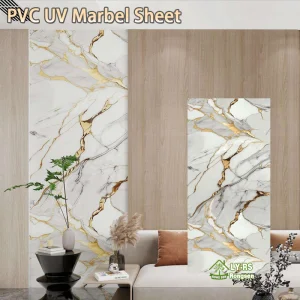
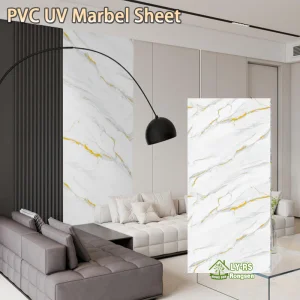
As a leading manufacturer of high-performance cladding, we specialize in the production and sale of a wide range of decorative materials. Our portfolio includes PVC UV marble panels, PVC embossed panels, 3D printed backdrops, PS wall panels, WPC wall panels, PU stone wall panels, and matching decorative molding lines. Each of our products reflects our commitment to form, function, and strict engineering standards.
At Linyi Rongsen, our business is built on two key principles: Integrity and Quality First. We maintain transparent quality control standards, ensuring every production batch is fully traceable. When you partner with us, you work with an experienced manufacturer that understands international compliance and shipping regulations, making your procurement journey efficient and hassle-free.
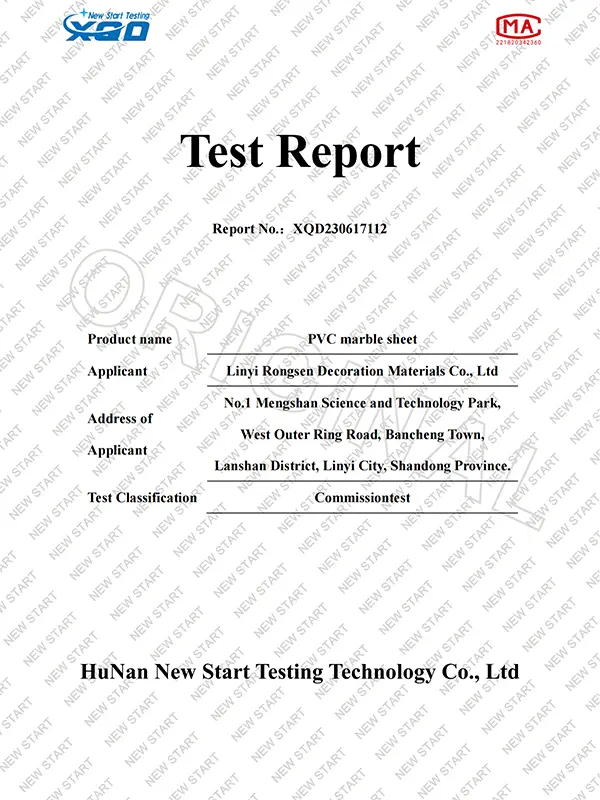
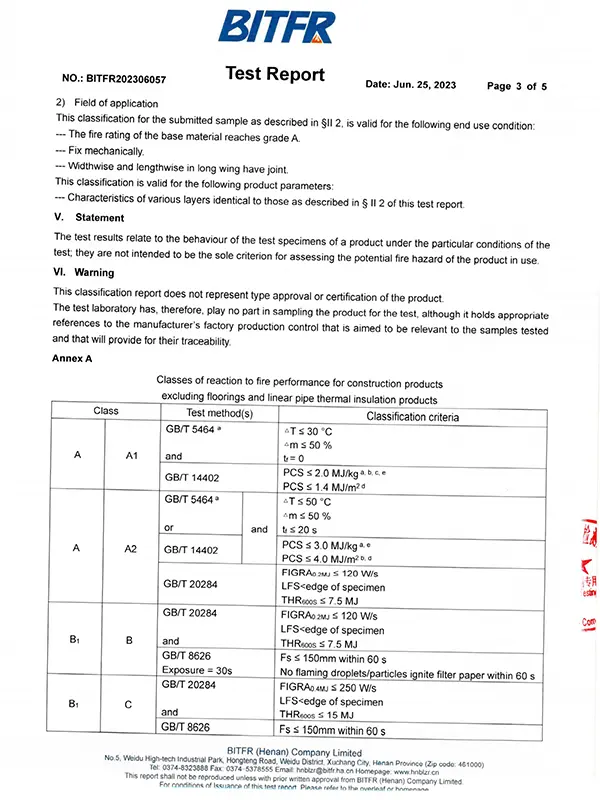
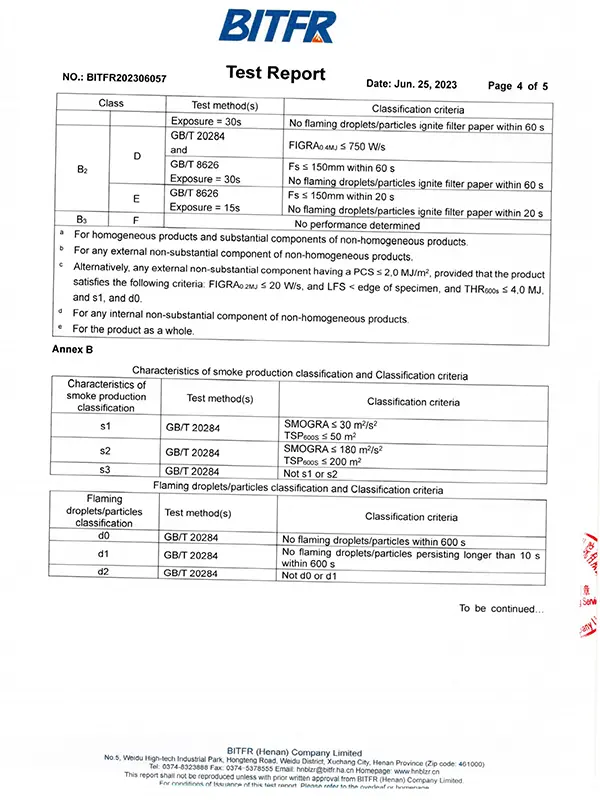
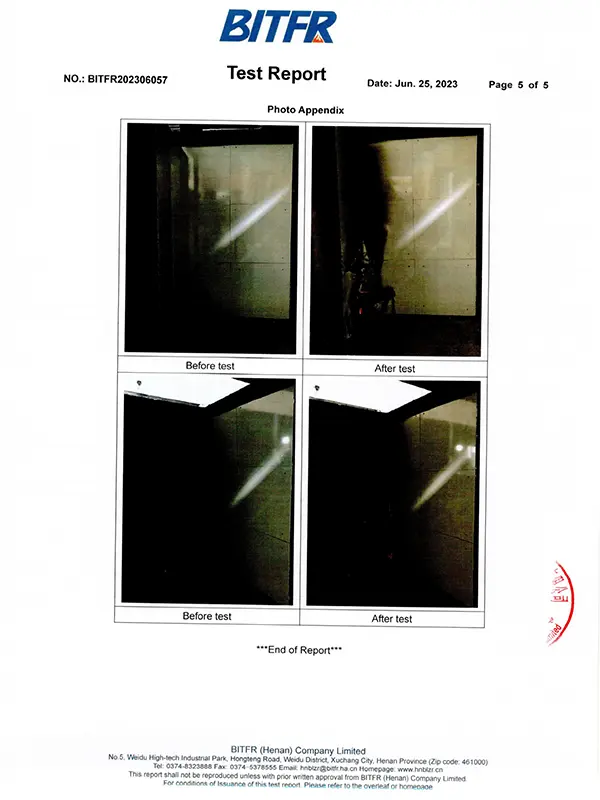
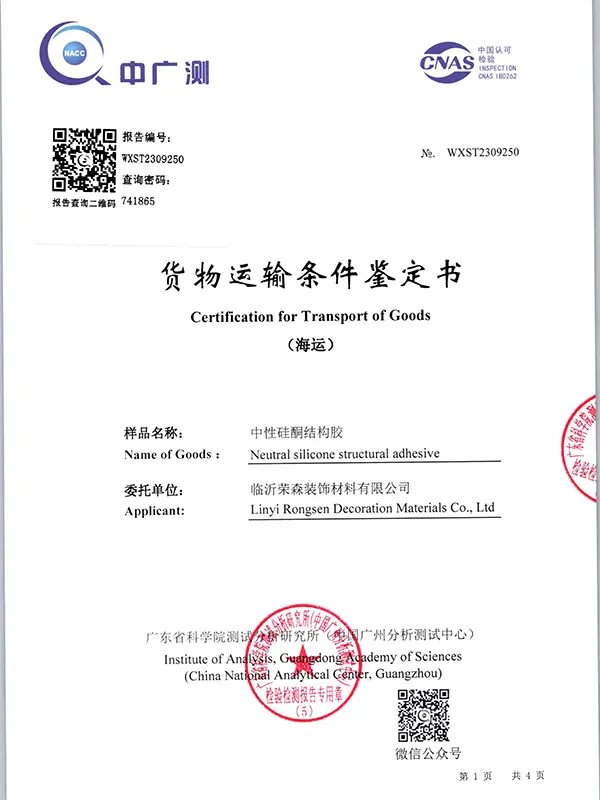
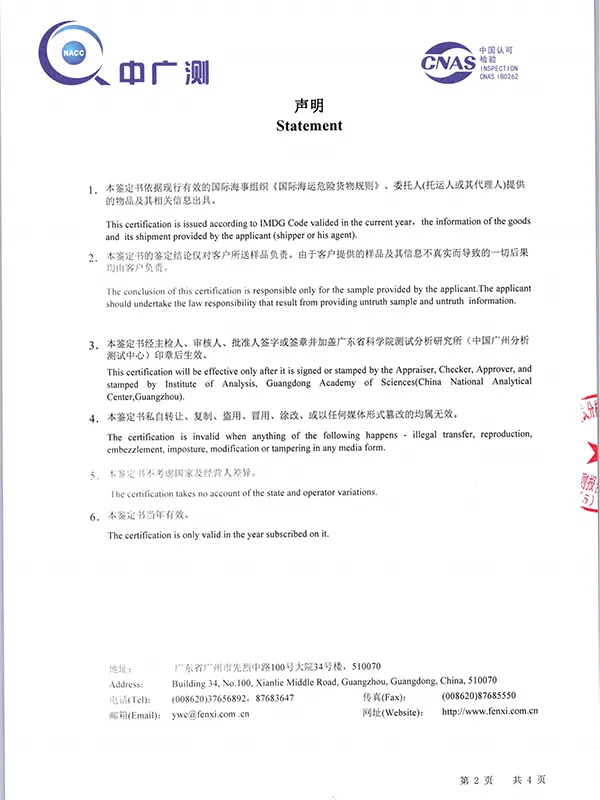
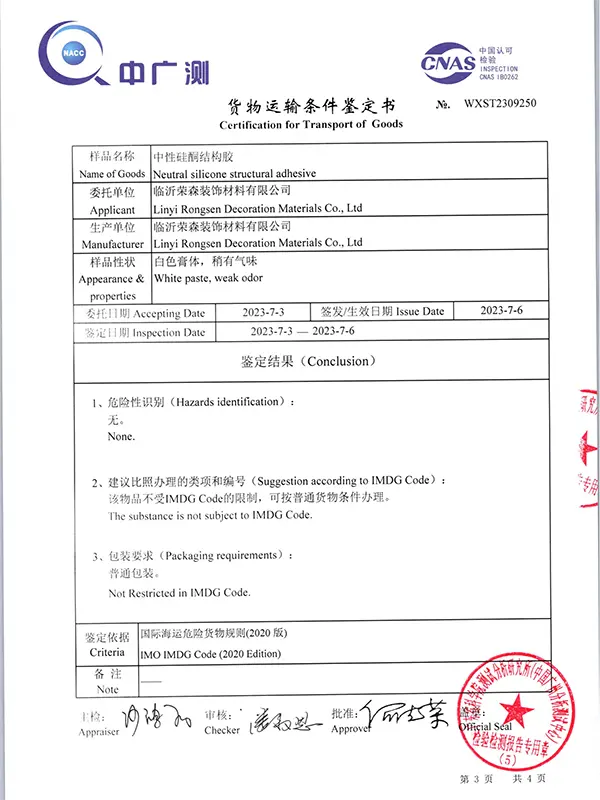
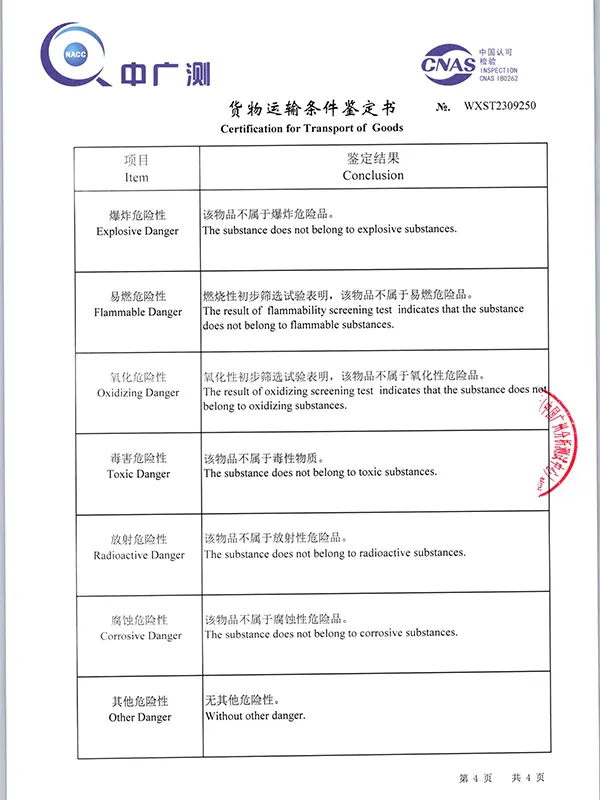
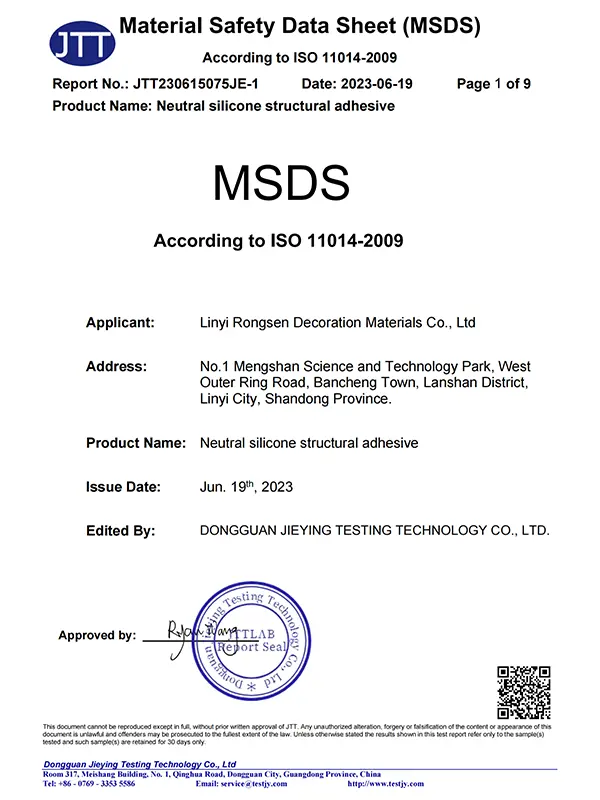
Our manufacturing and quality systems are certified by global standards organizations, ensuring compliance with local import criteria.
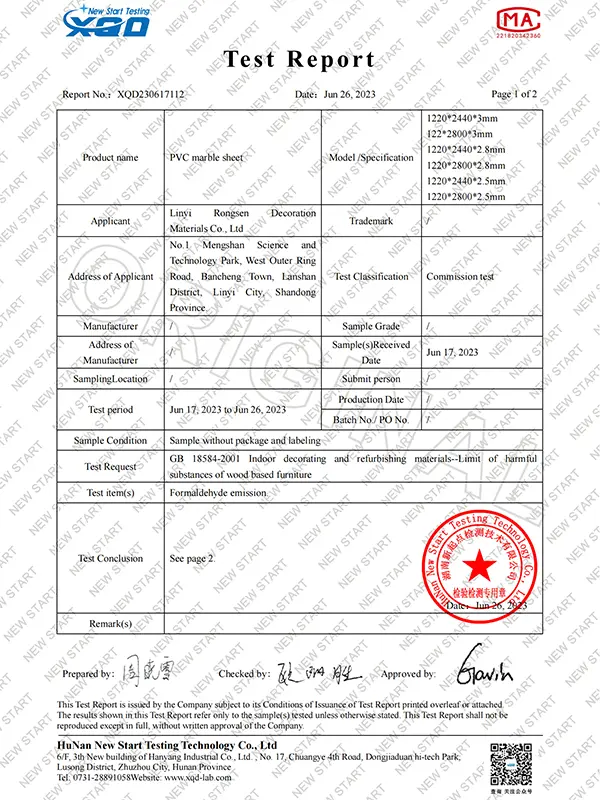
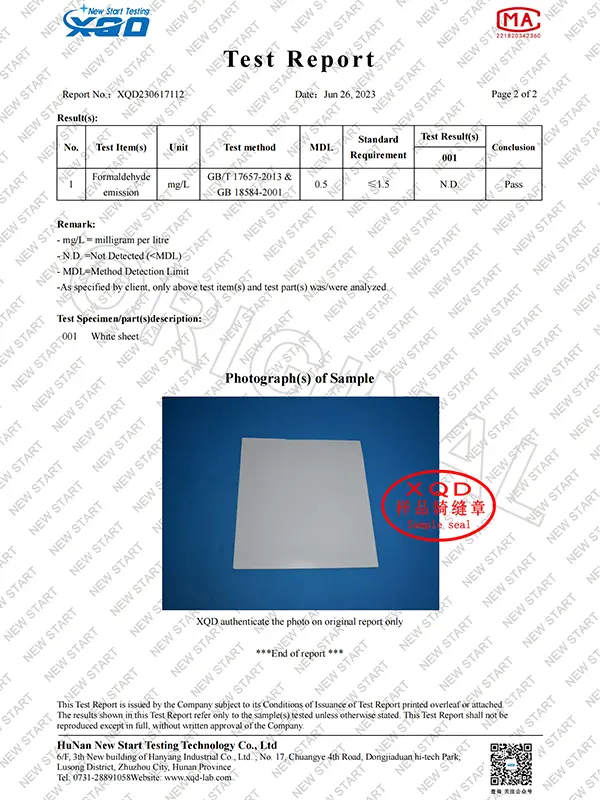
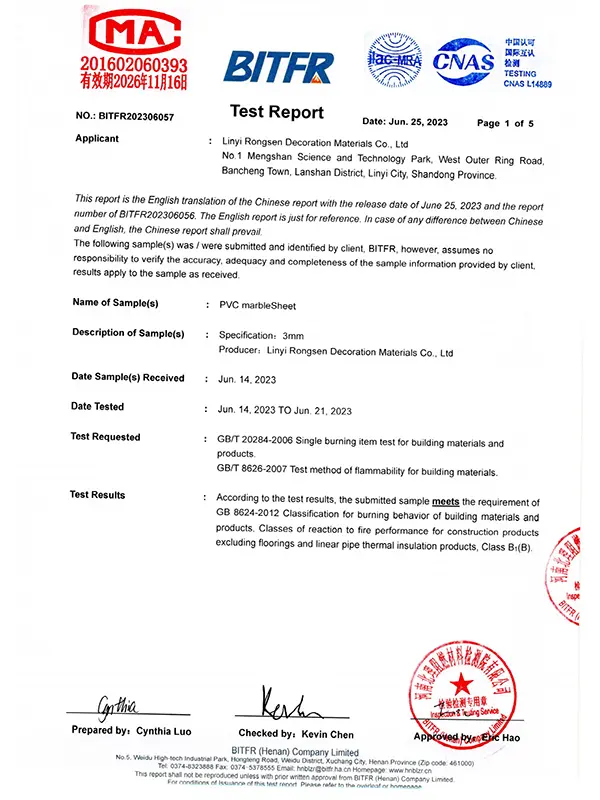
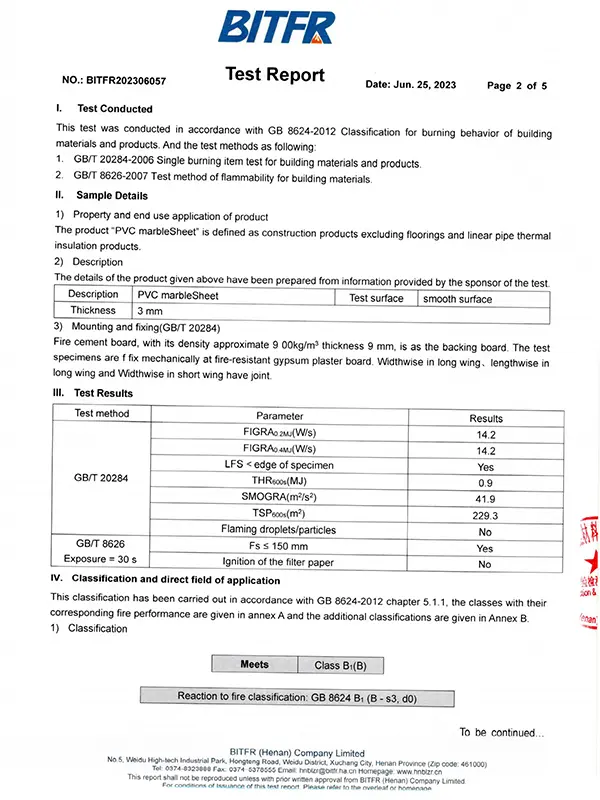
Explore the innovations shaping the next generation of eco-friendly building cladding materials.
Developing molecular mineral coatings to achieve superior flame-retardant performance (Class B1/Class A ratings). These systems slow flame spread and reduce smoke emissions, making them ideal for high-occupancy commercial projects.
Integrating plant-derived binding resins to replace fossil-based plastics. Transitioning toward fully compostable and bio-recyclable polymer matrices helps align WPC wall panels with circular economy goals.
Integrating micro-channels and smart surfaces to assist with insulation and thermal management. Future wall surfaces will act as thermal barriers, regulating building envelope heat levels and reducing HVAC energy consumption.
Answers to technical, logistical, and environmental questions from global sourcing managers.
A premium co-extruded WPC wall panel offers an engineered service life of 20 to 25 years under standard exterior conditions. The co-extruded polymer shield protects the core from moisture absorption, rot, and UV damage, preventing structural decay.
Linyi, Shandong, is central to major shipping routes. Proximity to Qingdao and Lianyungang ports helps reduce domestic transport costs and container handling times, lowering freight rates and streamlining delivery schedules.
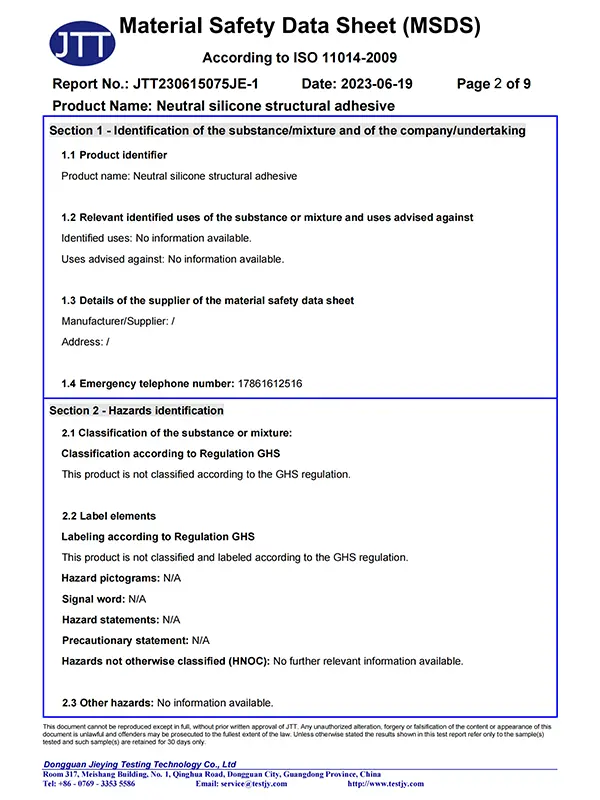
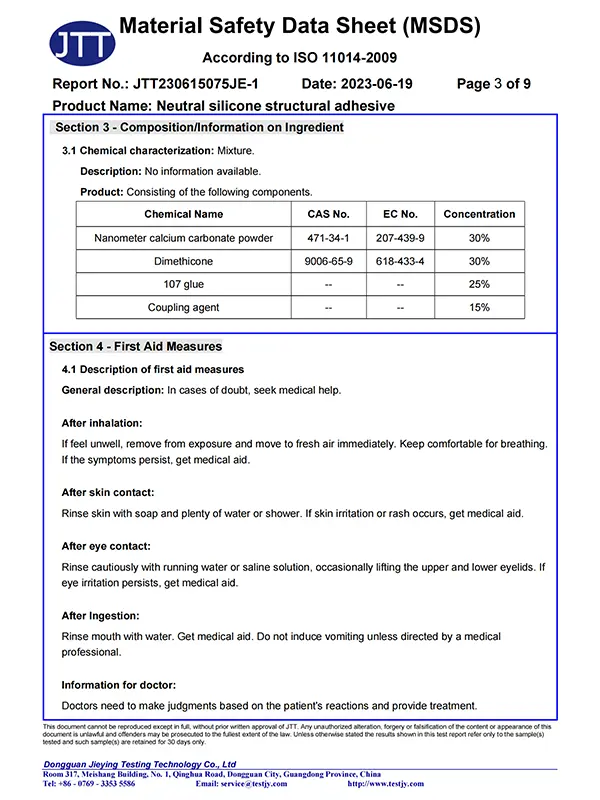
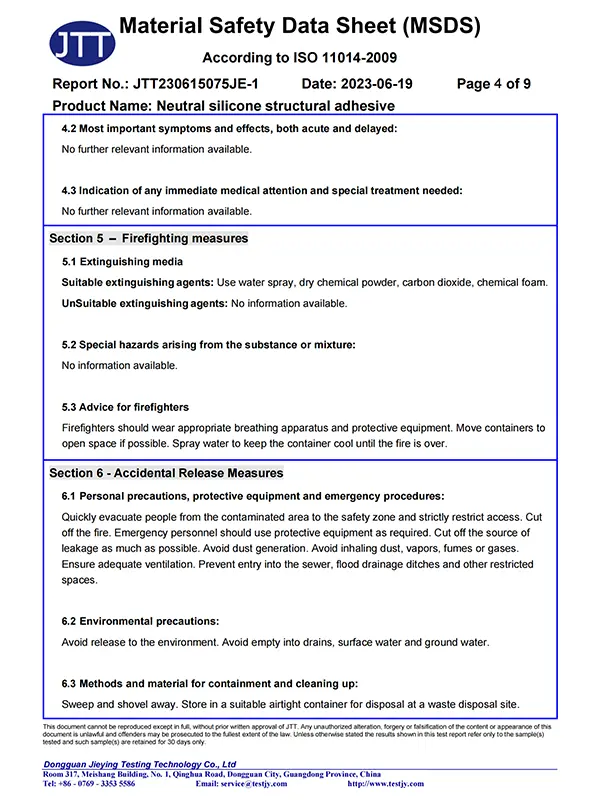
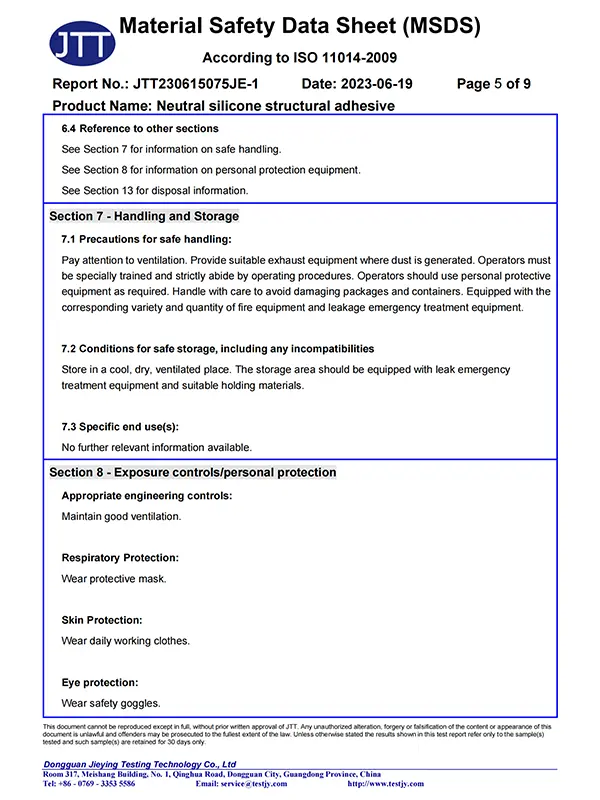
Yes, our facilities and products hold major quality and environmental certificates, including CE, ISO9001, and SGS test reports. These documents verify our fire safety performance, VOC emission limits, and structural load capacities.
Our high-quality WPC and SPC products achieve fire-retardant performance up to Grade B1 (GB8624 standard) and Class B-s1, d0 (EN 13501-1). These panels are self-extinguishing when removed from contact with open flame.
Yes, we provide custom extrusion profiles, thickness adjustments, custom lengths, and varied wood grain finishes. This flexibility helps architects and builders meet design specifications for large projects.
Thermal expansion and contraction are managed using specific polymer-wood ratios and proper spacing during installation. Our formulas maintain shape and alignment through outdoor seasonal shifts.
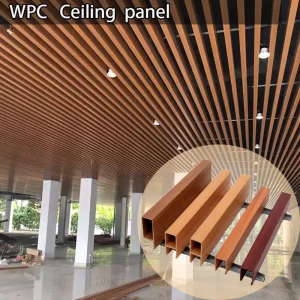
Discover our range of indoor cladding, high-gloss backsplashes, and structural ceilings designed for high-performance architectural systems.
Consult our team for custom specifications, bulk production schedules, regional test certificate validations, and shipping estimates to your destination port.
+86 17861612516
+86 19715396916
200 meters east of the intersection of Jinluo 4th Road and Xincheng 2nd Road in Jinluo Industrial Park, Bancheng Town, Lanshan District, Linyi City, Shandong Province, China
 Rongsen