The global construction and building materials landscape is undergoing a structural transition. Sustainable, low-maintenance alternatives to tropical hardwoods are no longer secondary options—they are critical to commercial and residential projects seeking longevity and compliance with international environmental standards. Outdoor Wood Plastic Composite (WPC) systems represent the pinnacle of this shift.
As sourcing specialists, architects, and global distributors seek competitive, high-quality, and robust manufacturing facilities in China, navigating the expansive ecosystem of WPC factories requires deep, data-driven understanding. Today's decision-makers look beyond base pricing; they analyze raw material matrices, chemical additives, co-extrusion technology, and ESG metrics. This document acts as the definitive roadmap for selecting and partnering with leading Chinese Outdoor WPC manufacturers.
By leveraging China's consolidated supply chain hubs—specifically in regional hubs such as Linyi, Shandong—procurement professionals gain significant advantages. We analyze the technical details, the logistical routes, and the engineering principles that distinguish tier-1 manufacturers from regional copyists.
Global procurement teams must assess factories using five primary vectors:
Linyi Rongsen Decoration Material Co., Ltd. is located in Linyi, Shandong Province, China. Linyi is known as the "Logistics Capital of China" and is strategically located near the port. Our strategic location provides us with unparalleled connectivity and our proximity to major ports ensures seamless global connectivity.
As an industry leader in composite science and interior/exterior architectural claddings, Rongsen integrates advanced manufacturing pipelines with deep materials research. Our location within the Linyi logistics cluster allows us to reduce cargo consolidation time and transit costs, ensuring that bulk container orders reach Qingdao Port or Lianyungang Port with speed and reliability.
By integrating logistics networks, advanced warehousing, and international trade desks, Linyi Rongsen simplifies complex supply chains for our partners in North America, the European Union, Southeast Asia, and the Middle East.
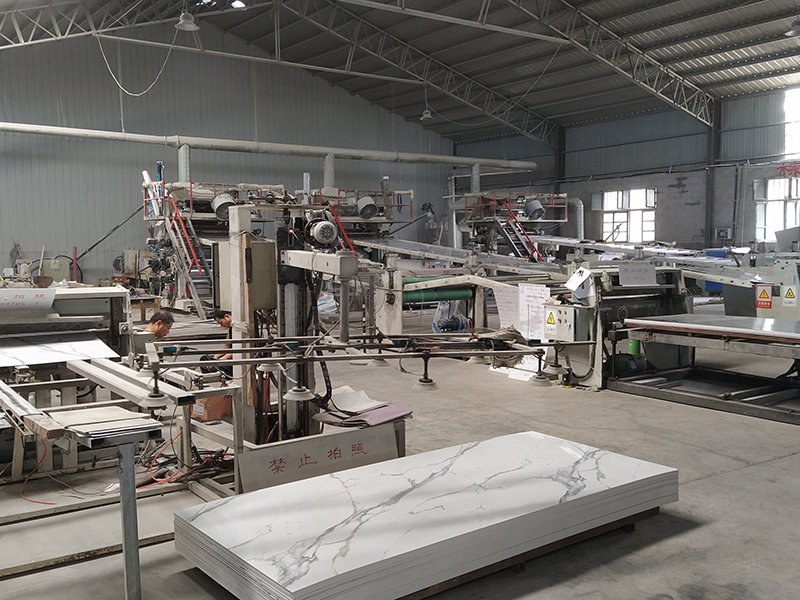
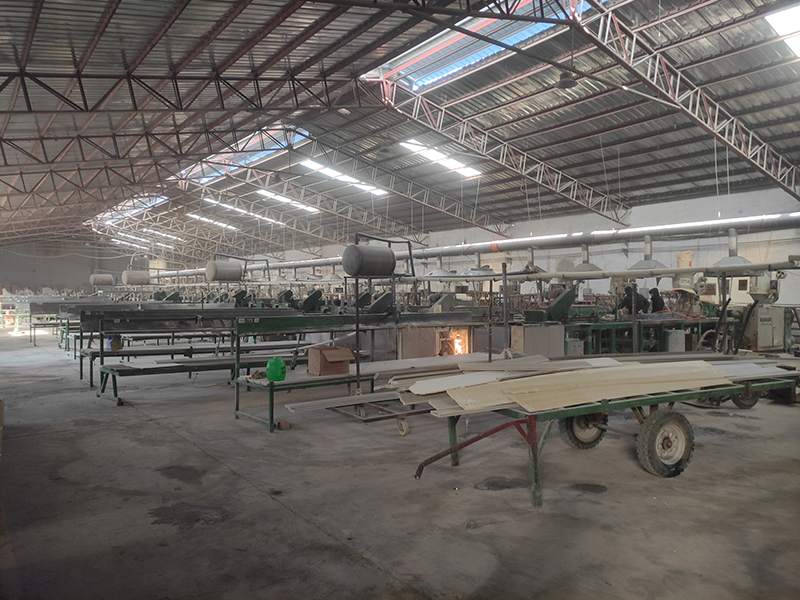
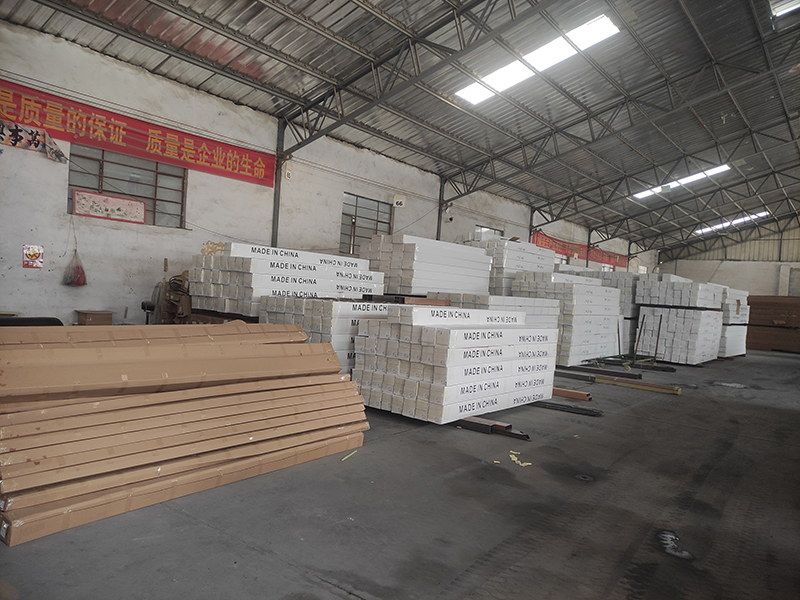
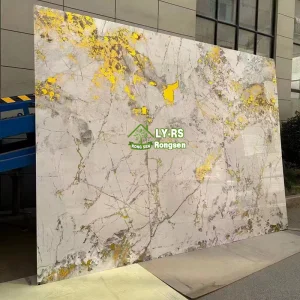
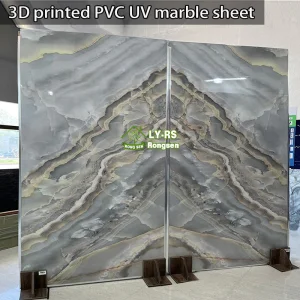
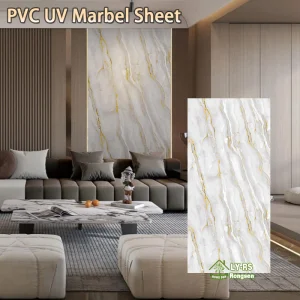
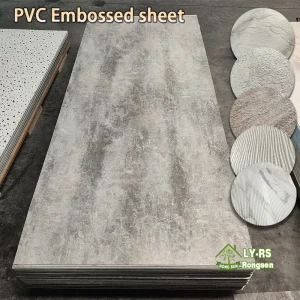
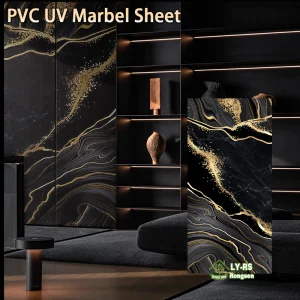
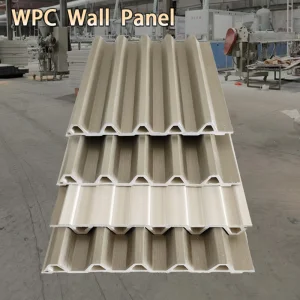
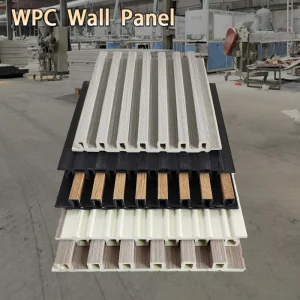
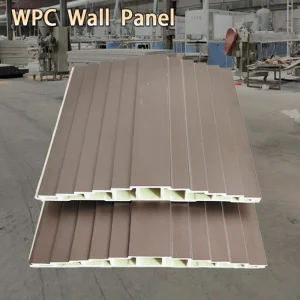
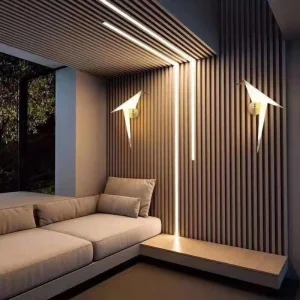
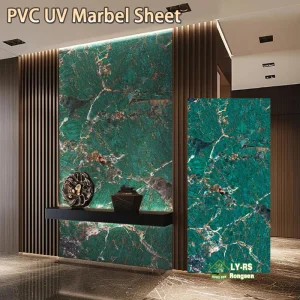
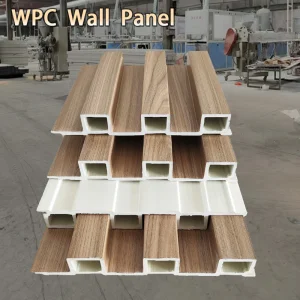
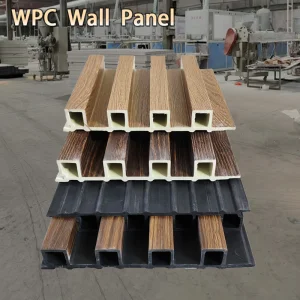
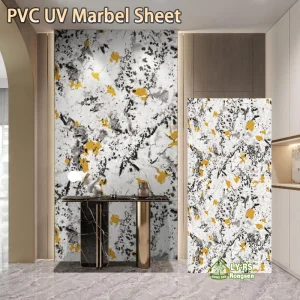
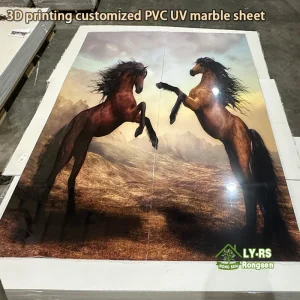
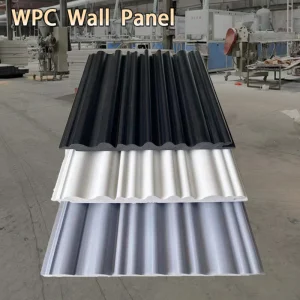
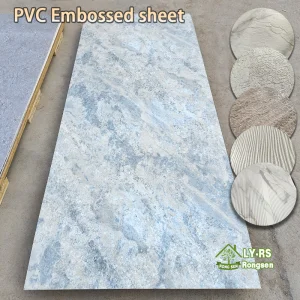
We have a long history of being a beacon of excellence in the field. Our core specialty is the production and sale of a wide range of decorative materials, including PVC UV marble panels, PVC embossed panels, 3D printed backdrops, PS wall panels, WPC wall panels, PU stone wall panels, decorative lines and more. Each of our products reflects our commitment to form and function.
At Linyi Rongsen, we believe in two fundamental principles: integrity and quality. These principles are not just buzzwords but the guiding stars that steer our company. We are unwavering in our commitment to honesty and ethical business practices. When you choose us, you are choosing a partner who values your trust and prioritizes the delivery of top-notch products.
Our rich experience in foreign trade exports equips us with the knowledge and expertise needed to streamline the process for you. We understand the nuances of international markets and regulations, making your journey smoother and more hassle-free.
Your satisfaction is our top priority. Our commitment to excellent service is unwavering, and it extends far beyond the sale. We are dedicated to providing you with a seamless and stress-free experience, from product selection to delivery. When you partner with us, you can rest assured that your order will be handled with the utmost care and professionalism.
At Linyi Rongsen, quality is not just a word, it's a way of life. We take great pride in delivering high quality products that not only meet but exceed industry standards. Our meticulous craftsmanship and stringent quality control processes ensure that every product that bears our name is a symbol of durability and beauty. When you choose us, you choose a product that will stand the test of time.
We envision a future where our decorative materials grace homes and spaces worldwide, enhancing aesthetics and functionality. We invite you to join hands with us on this exciting journey. Whether you are an individual homeowner, an architect, a contractor, or a distributor, Linyi Rongsen has the perfect solution for your decorative needs.
Modern WPC manufacturing has transitioned from labor-intensive extrusion to fully automated, digitally managed process engineering. At Linyi Rongsen, our manufacturing infrastructure is built to guarantee batch-to-batch consistency and high-speed production output. By operating twin-screw co-extruders combined with closed-loop computerized gravimetric feeding systems, we eliminate variance in raw material ratios.
This "Factory 4.0" approach translates into crucial competitive benefits for importers: reduced processing cycles, highly accurate thickness tolerances (±0.5mm), and an optimized polymer-to-wood bond. Our continuous compounding technology allows for homogeneous dispersion of pigments, coupling agents, and UV stabilizers throughout the profile core.
Additionally, our factory infrastructure operates under ISO 9001 and ISO 14001 guidelines. This ensures that every stage, from sorting recycled post-industrial wood powders to polymer melting, cross-linking, cooling, and surface treatment, is carefully monitored. This systematic approach reduces raw material waste and ensures consistent performance across high-volume production runs.
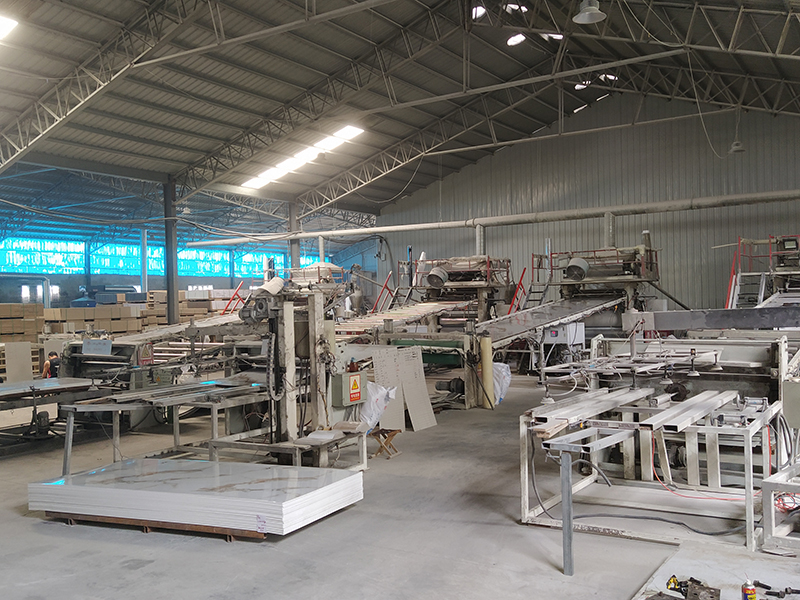
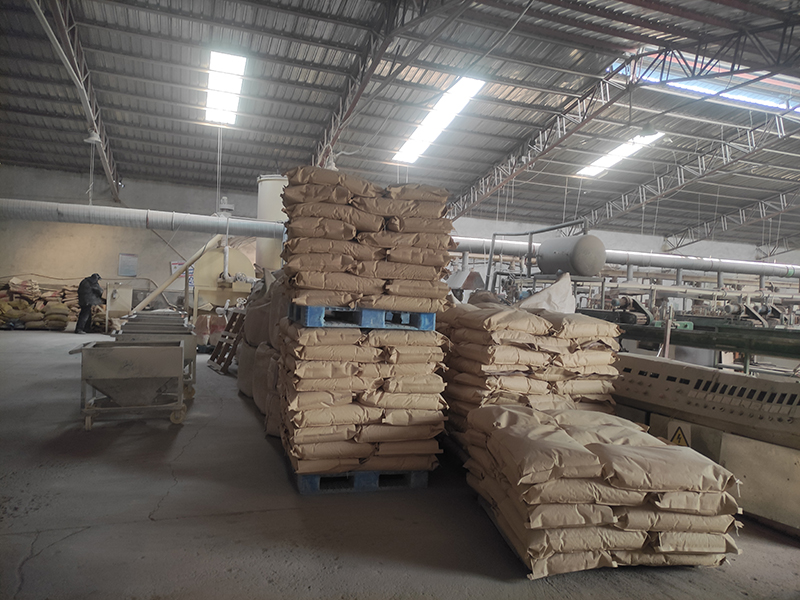
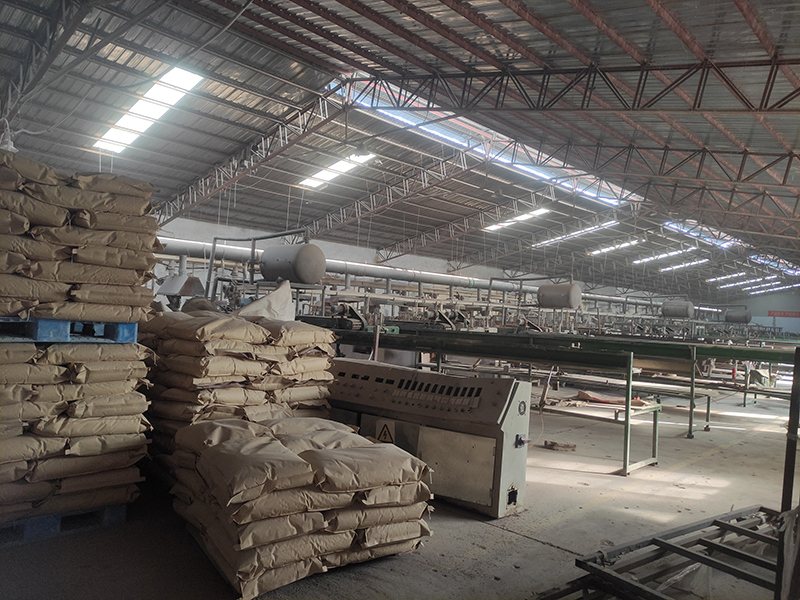
The performance of outdoor composite decking, cladding, and pergolas is fundamentally determined by the quality of the polymer-fiber matrix. Traditional first-generation WPC profiles were vulnerable to UV degradation, fungal decay, and thermal expansion. Our technical roadmap highlights how we address these real-world challenges through continuous chemical and physical product design innovations:
Our premium outdoor WPC products feature a high-performance shield layer covering all four sides of the core profile. This co-extruded shield contains advanced light stabilizers, antioxidants, and anti-microbial compounds. The shield is fused to the core under high-temperature extrusion, creating an impenetrable barrier against moisture, mold, food stains, and scratches.
To prevent internal delamination and moisture absorption, we use maleic anhydride grafted polyethylene (MAPE) coupling agents. This chemical bridge links the hydrophilic wood fibers with the hydrophobic polyethylene resins, increasing tensile strength, flexural modulus, and impact resistance in extreme cold or hot climates.
By optimizing the ratio of high-density polyethylene (HDPE) to lignocellulosic fibers (typically 30% HDPE, 60% wood fiber, and 10% additives), our structural profiles maintain a low linear thermal expansion coefficient. This ensures that long-span installations remain straight and secure, avoiding warp, buckle, or joint displacement.
We source post-industrial wood waste from certified regional wood processors and combine it with recycled polymers. This circular manufacturing framework reduces our carbon footprint, supports global sustainability targets, and meets requirements for green building certifications, including LEED and BREEAM.
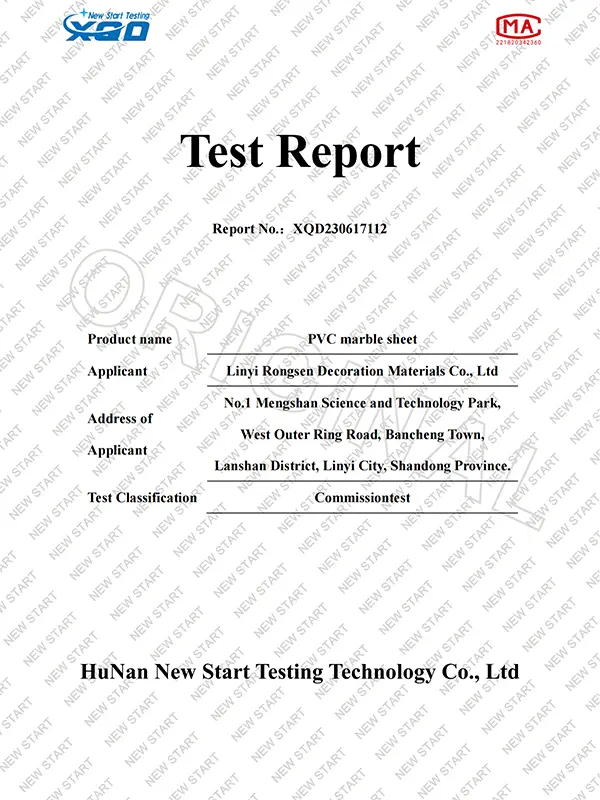
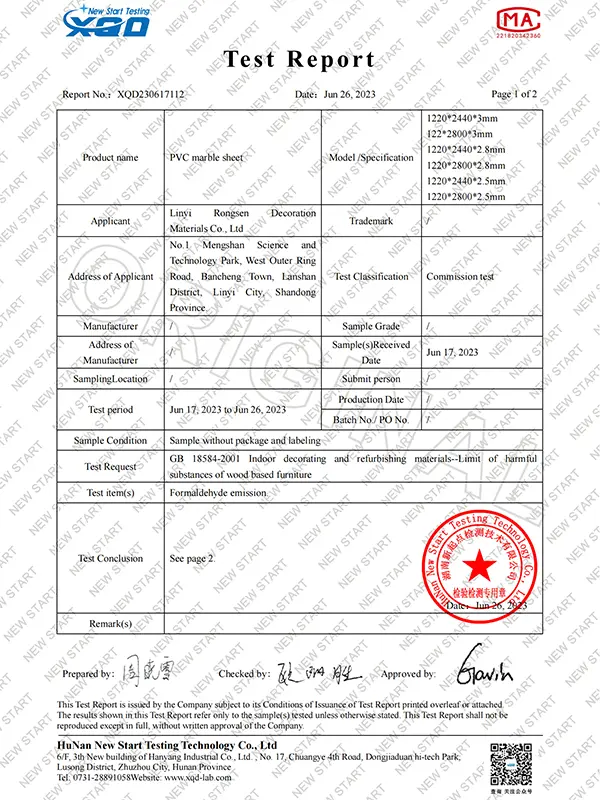
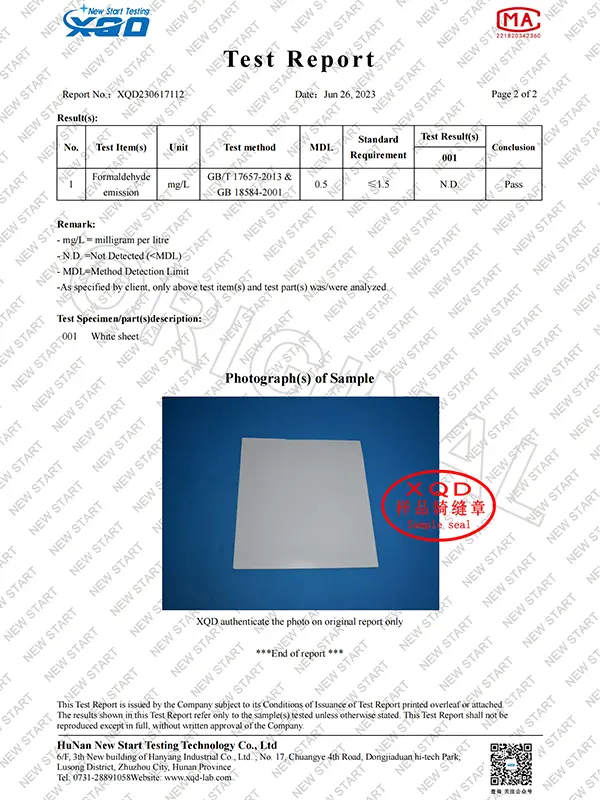
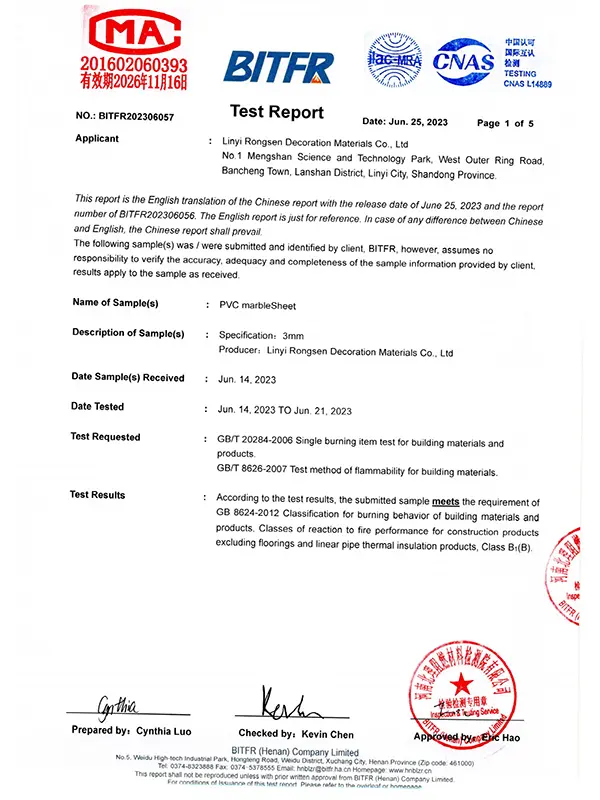
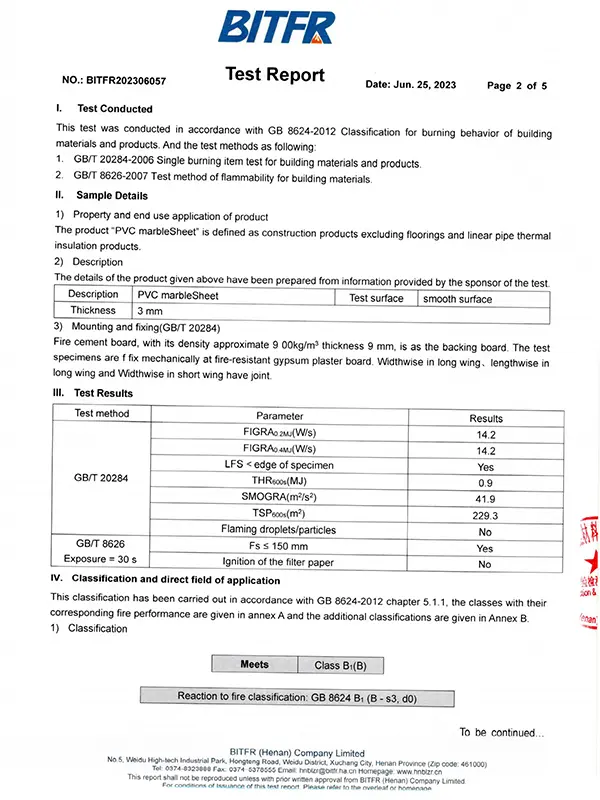
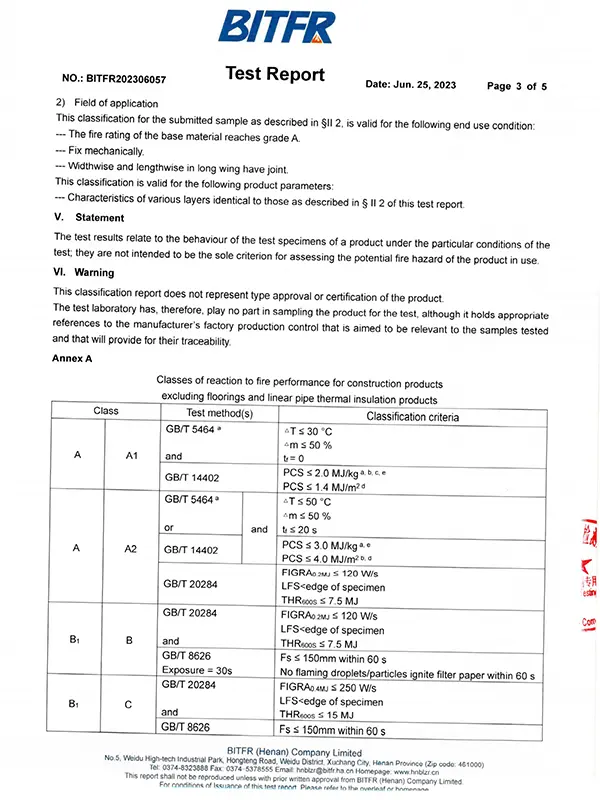
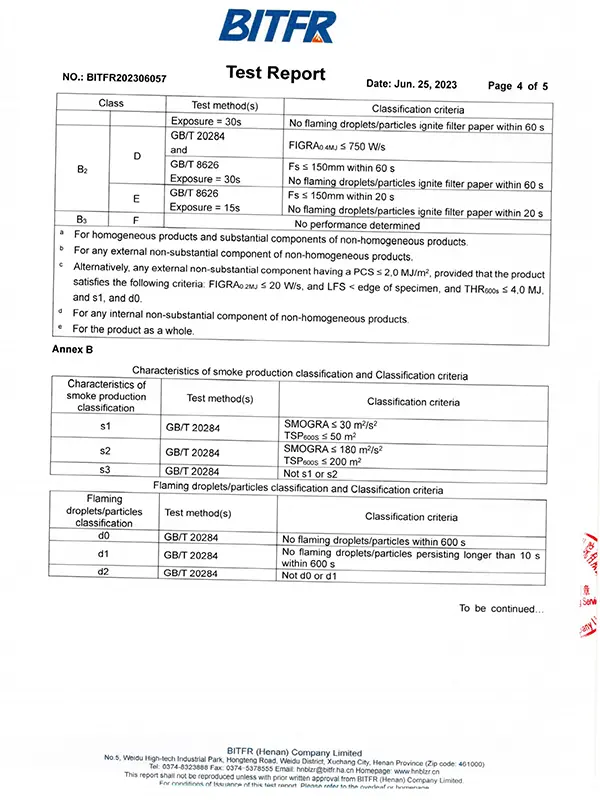
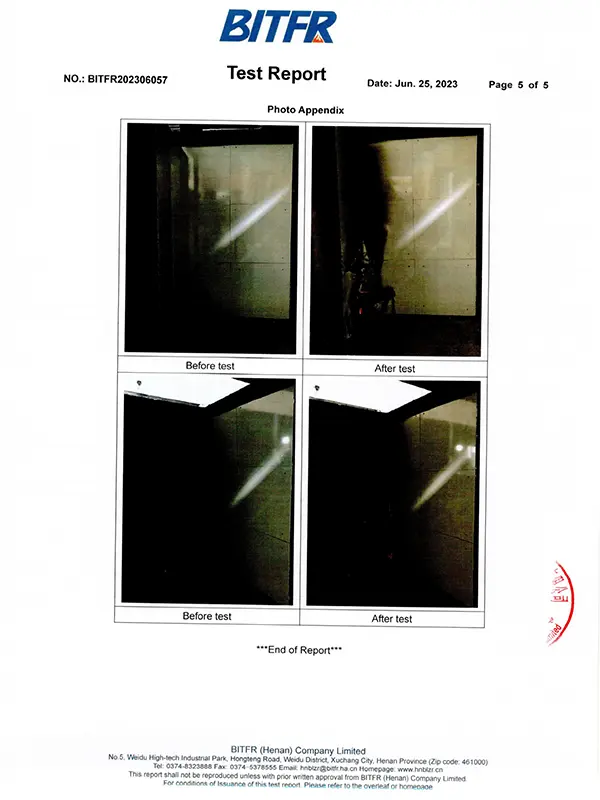
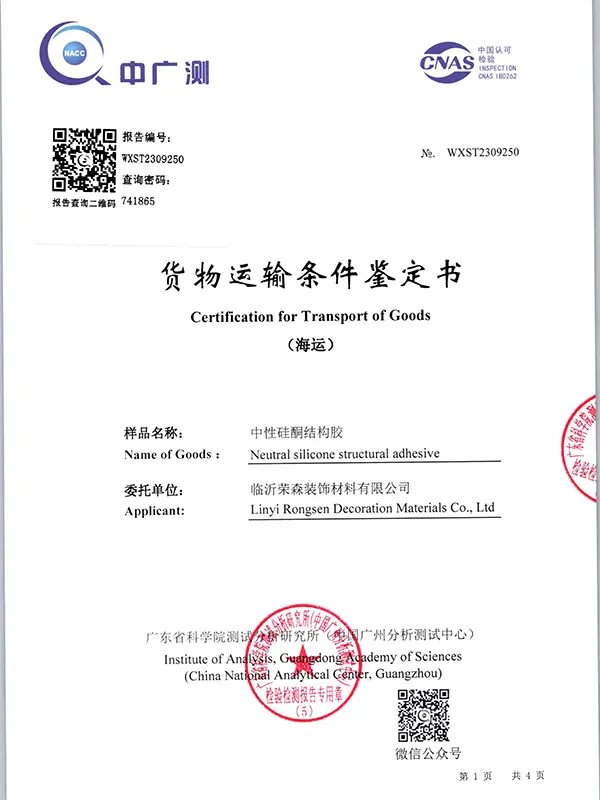
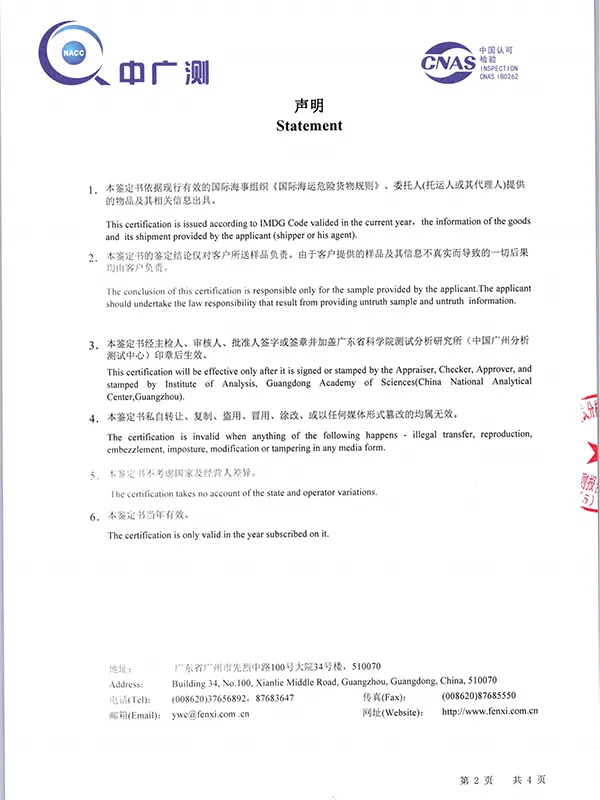
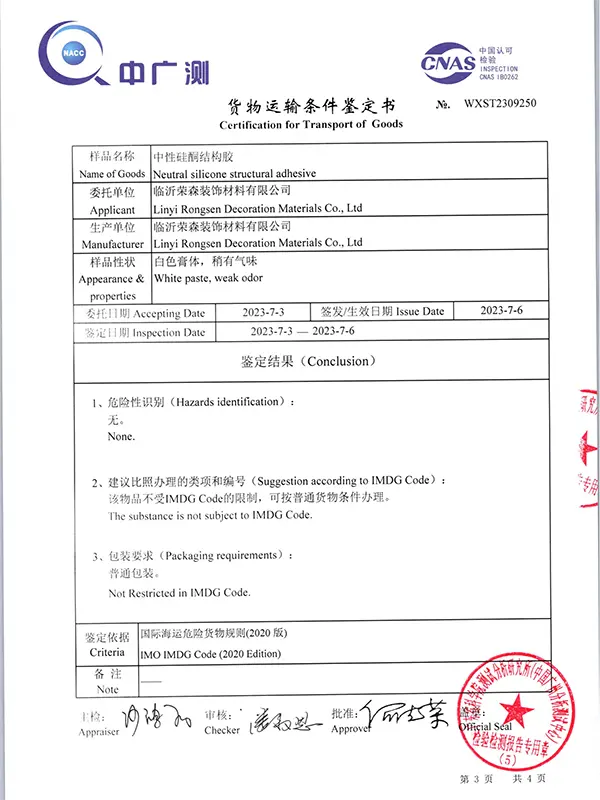
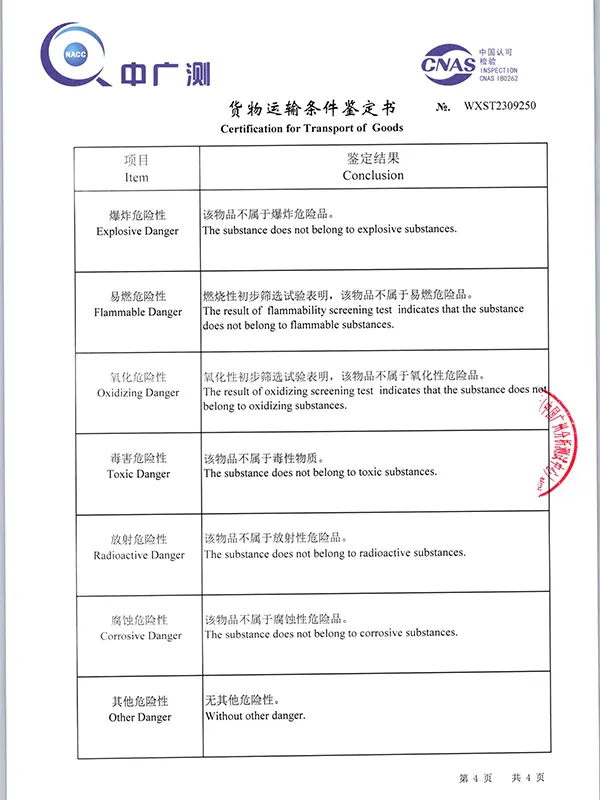
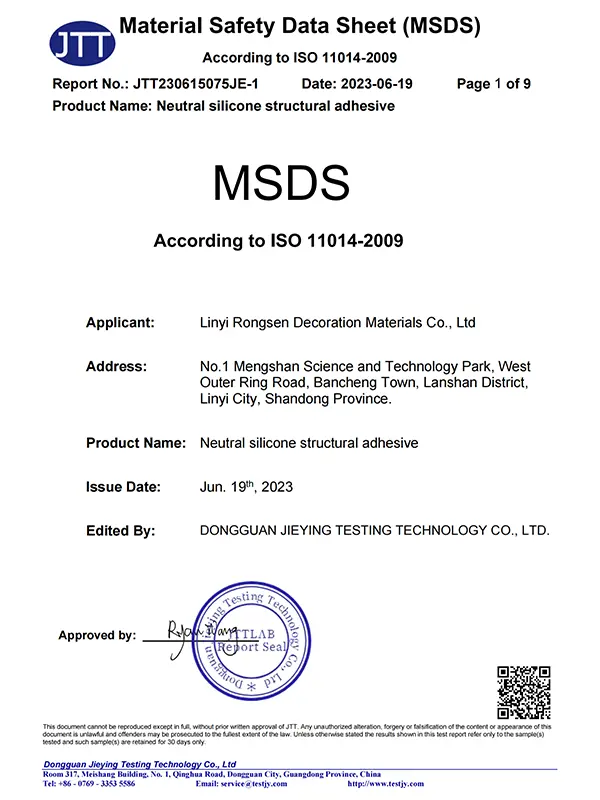
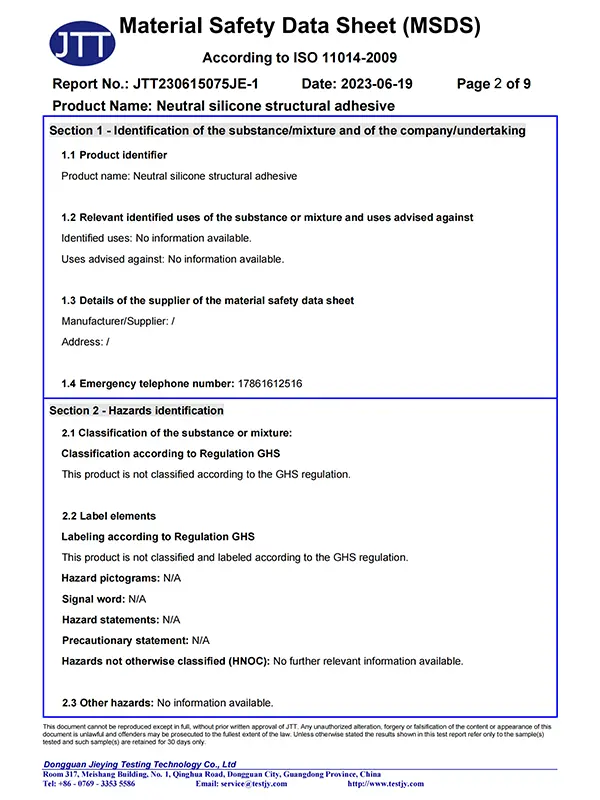
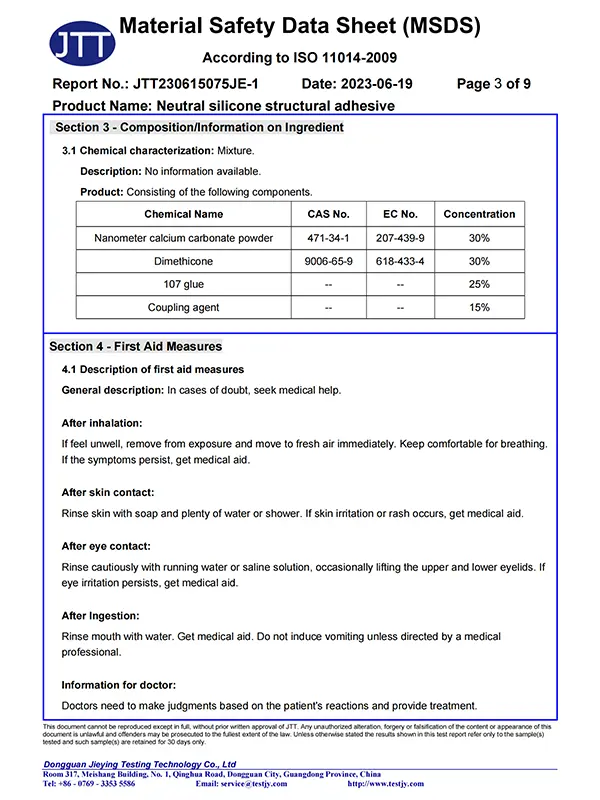
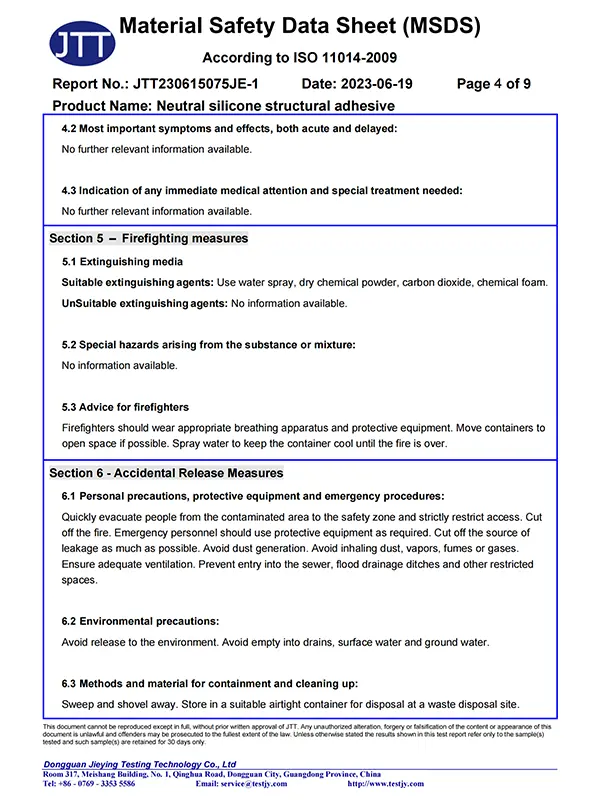
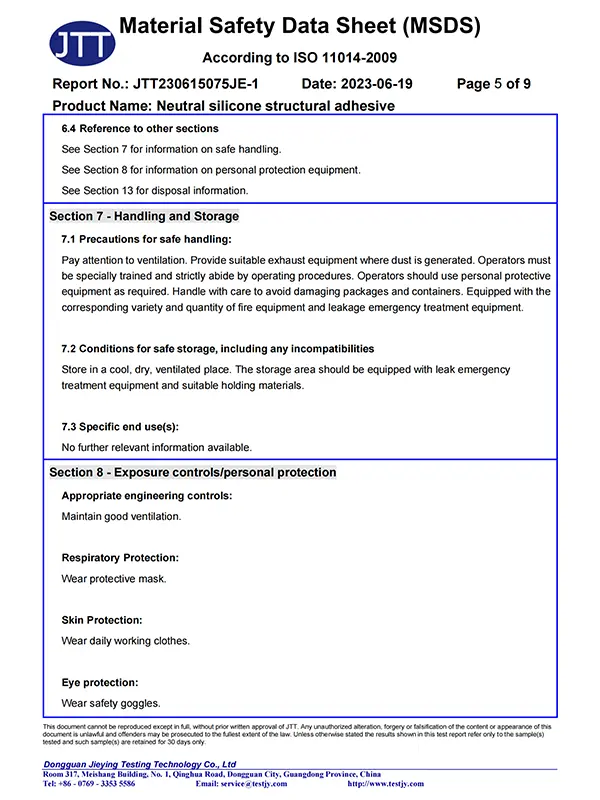
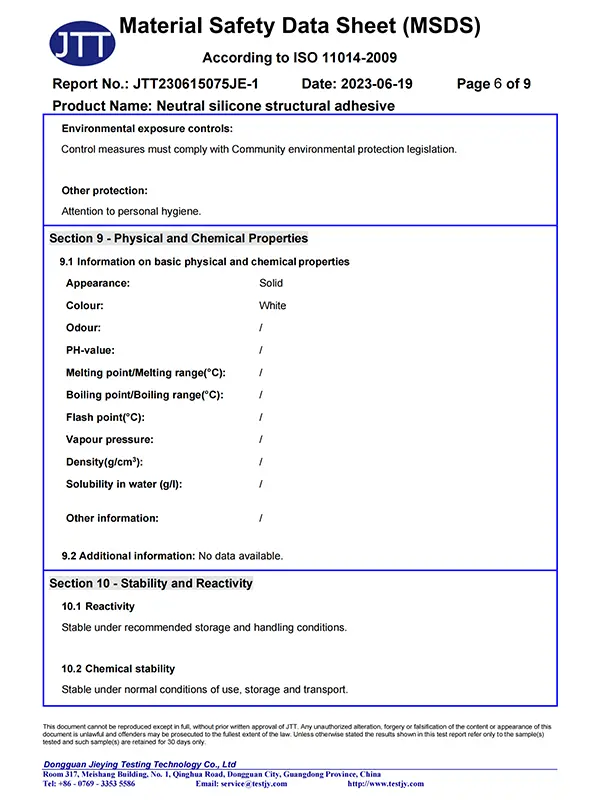
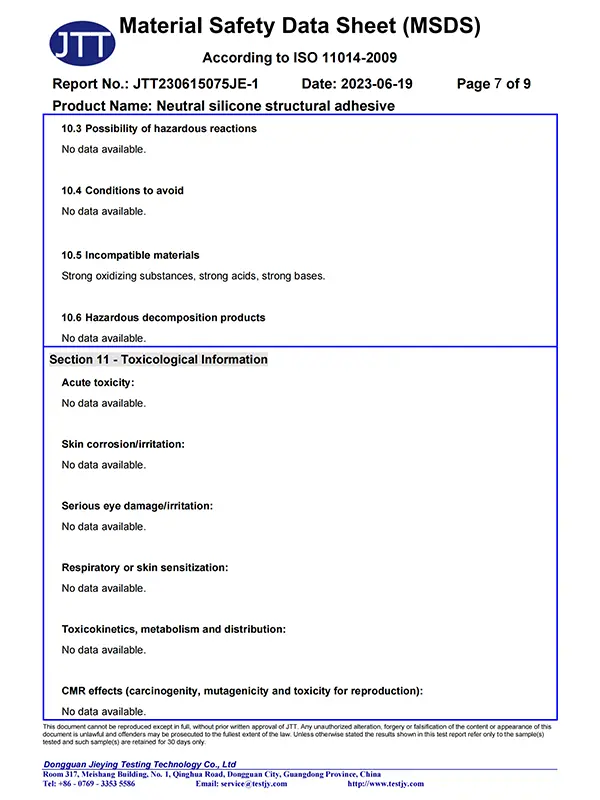
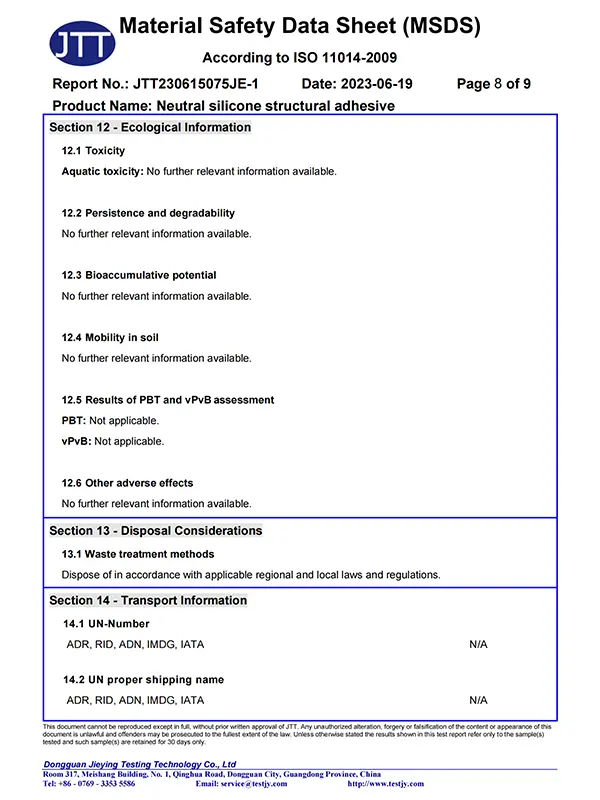
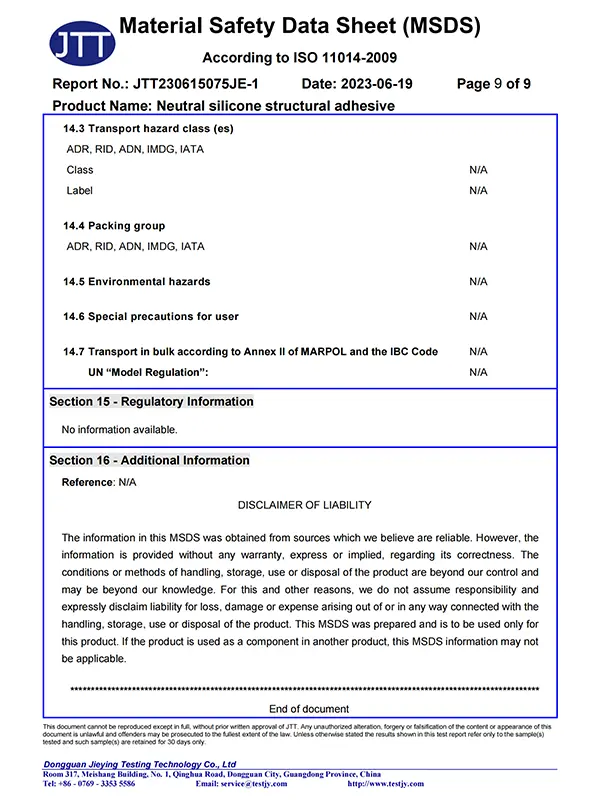
To ensure complete reliability and compliance with international standards, our WPC formulations are continually tested by independent laboratories. Below is our certification matrix, showing that our production meets strict international requirements.
We work with global design teams to customize product dimensions, surface textures (including wood grain and sanding options), and custom color tones. We utilize spectrophotometric color matching to achieve exact color matches based on physical benchmark swatches or Pantone references.
We maintain precise control over material density and moisture content during processing. By drying our wood powder to less than 2% moisture prior to compounding, we prevent internal gas voids, keeping the final product dense, highly water resistant, and slip-free.
Our packaging systems are designed to maximize container utilization while protecting product corners. We utilize moisture-barrier wrapping and steel-strapped export pallets to ensure WPC bundles are protected during maritime transport, rail shipment, and crane unloading.
 Rongsen