Innovative Surface Architecture, Advanced Polymeric Engineering, and Industry 4.0 Global Supply Resiliency
Explore our high-performance line of PVC, WPC, and PU composite panels engineered for modern commercial and residential environments.
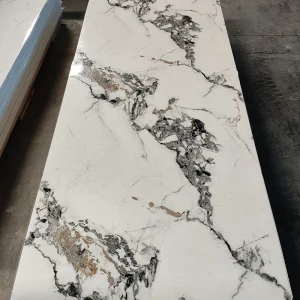
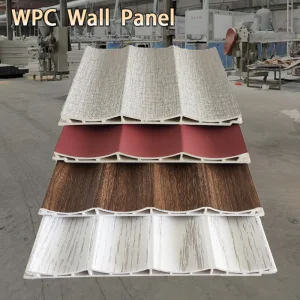
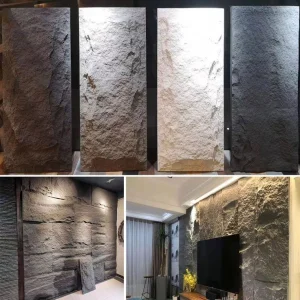
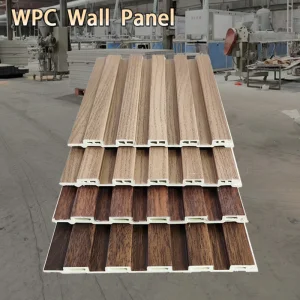
The Technological Advancement of 3D Printing UV Cured Panel Boards in Modern Subsurface Construction
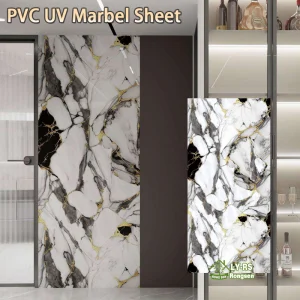
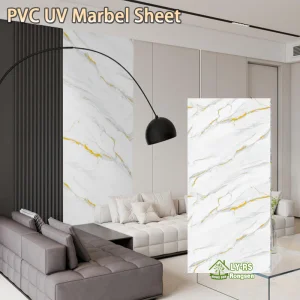
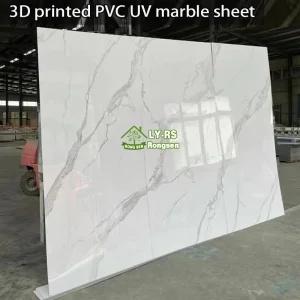
The decorative surfaces sector is undergoing a profound material revolution. Historically, architectural structures relied heavily on natural stone quarrying, timber processing, and high-pressure decorative laminates (HPL). However, ecological constraints, structural weight limitations, and high installation costs have fueled the demand for composite materials. The China 3D Printing UV Panel Board represents the vanguard of this shift, fusing advanced material extrusion science with ultra-fast ultraviolet curing polymer chemistry.
At its core, a 3D printing UV panel is constructed on a stabilized composite matrix (often a PVC-Marble blend or a highly compressed Stone Plastic Composite, SPC). The surface pattern is not merely printed; it is digitally constructed layer-by-layer using industrial piezo-electric inkjet heads that deposit specialized photopolymer inks. These inks are instantly subjected to intense UV radiation. The radiation triggers a rapid cross-linking polymerization reaction, converting liquid monomers and oligomers into a hardened, highly cross-linked polymer network within fractions of a second.
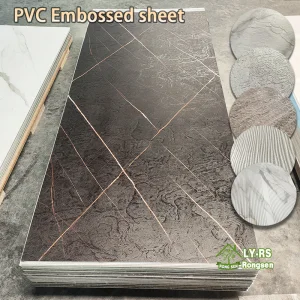
This process achieves what standard gravure printing and lamination cannot: tactile micro-texturing. Through precise drop-on-demand printing, the factory can replicate the microscopic fissures of natural granite, the irregular grain lines of aged timber, or the deep textural depth of volcanic PU stone. The resulting panel yields high visual fidelity and a tangible depth that mimics nature while maintaining superior mechanical durability.
"Information Gain Analysis: Unlike traditional laminates that rely on thin printed paper films protected by melamine, digital 3D UV printing deposits structural resins directly onto the core substrate, achieving high wear resistance and eliminating delamination risks in high-moisture environments."
For international sourcing directors, real estate developers, and large-scale architectural contractors, the procurement of interior finishes must balance price stability with environmental compliance and structural longevity. Standard substrates such as Medium Density Fiberboard (MDF) are increasingly criticized due to high emissions of volatile organic compounds (VOCs), poor water resistance, and susceptibility to termite degradation.
Global B2B buyers now look to China for 3D printed UV boards that meet rigorous international criteria:
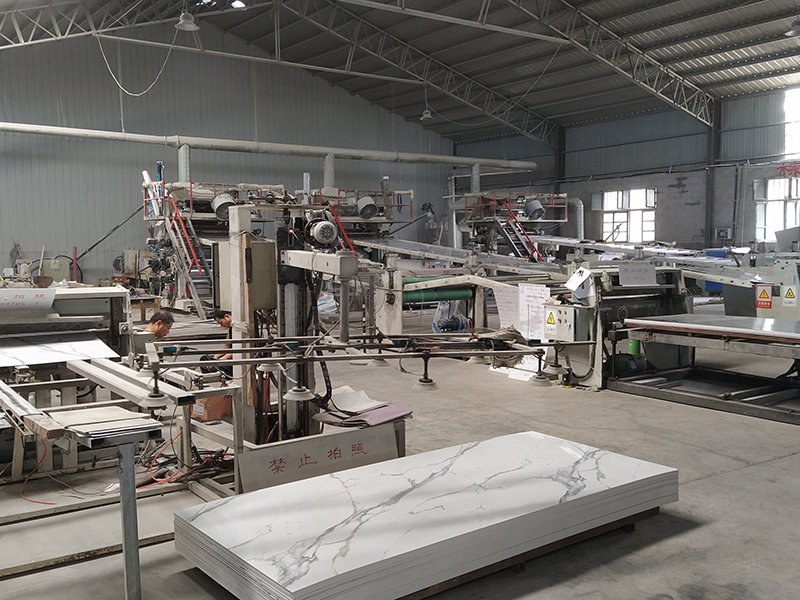
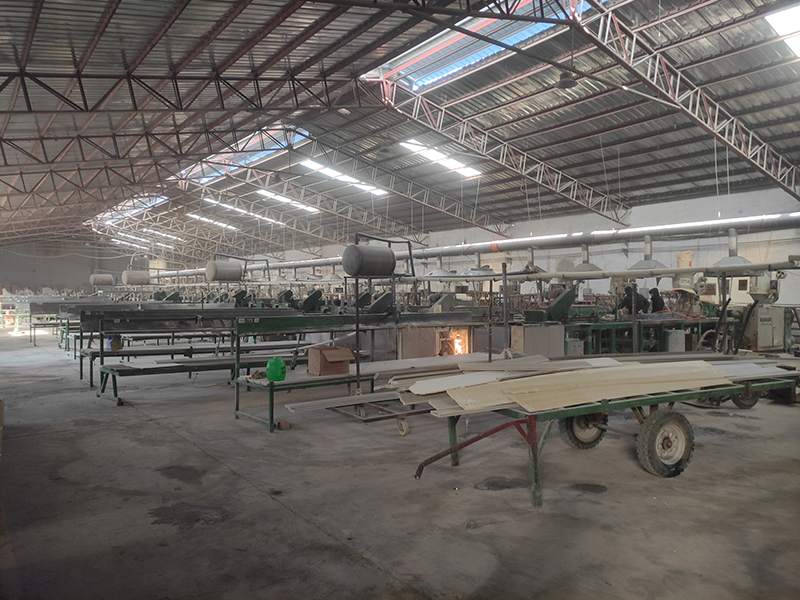
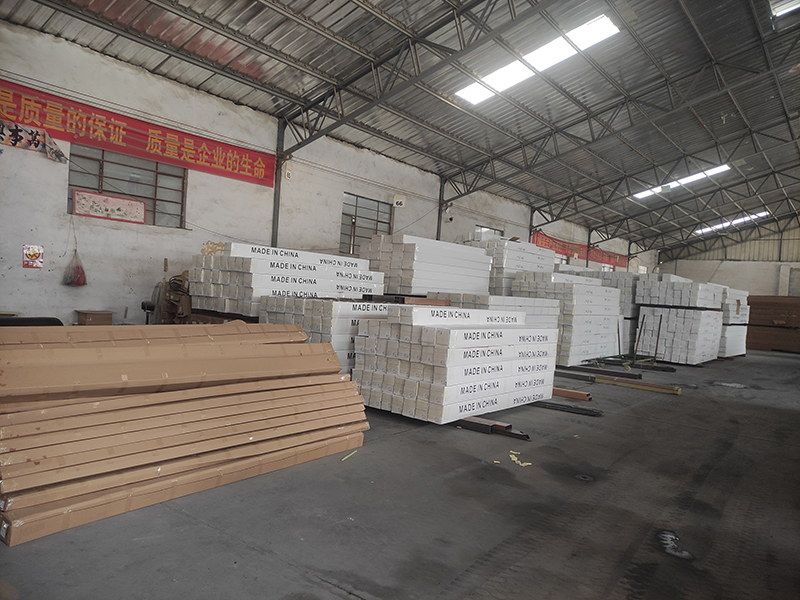
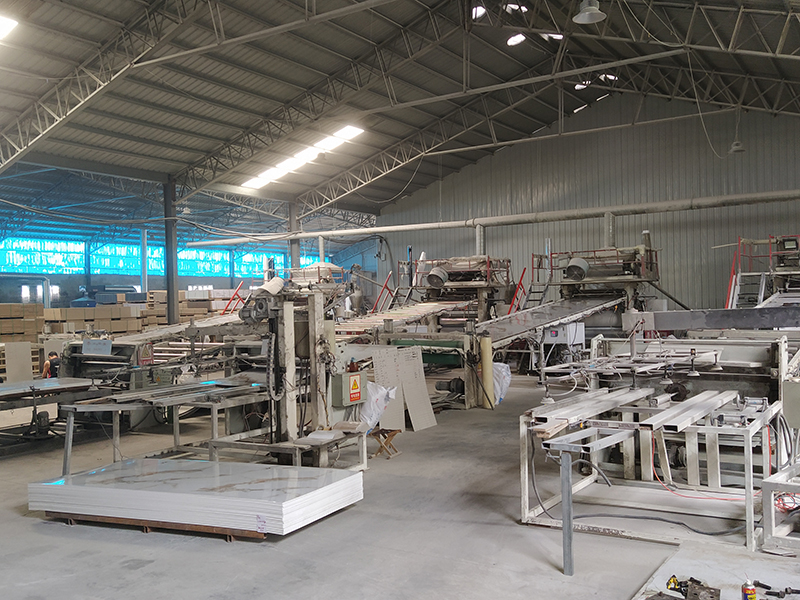
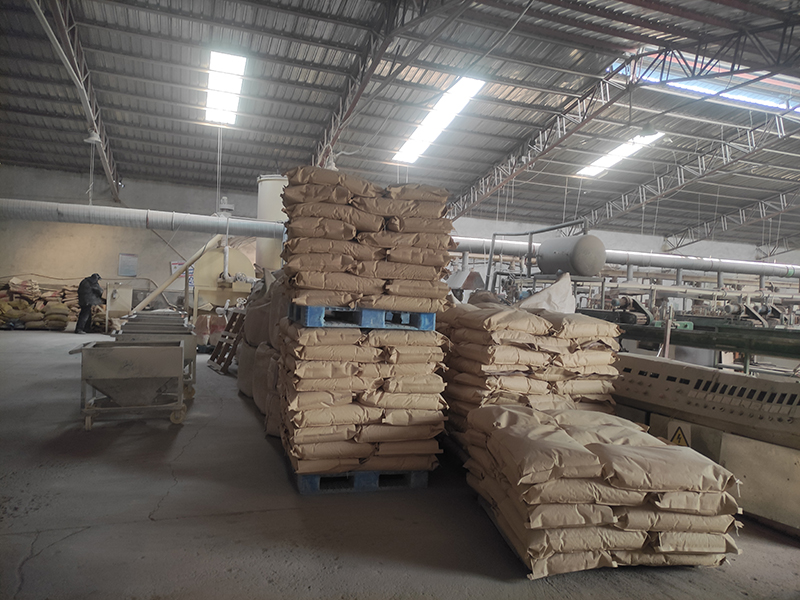
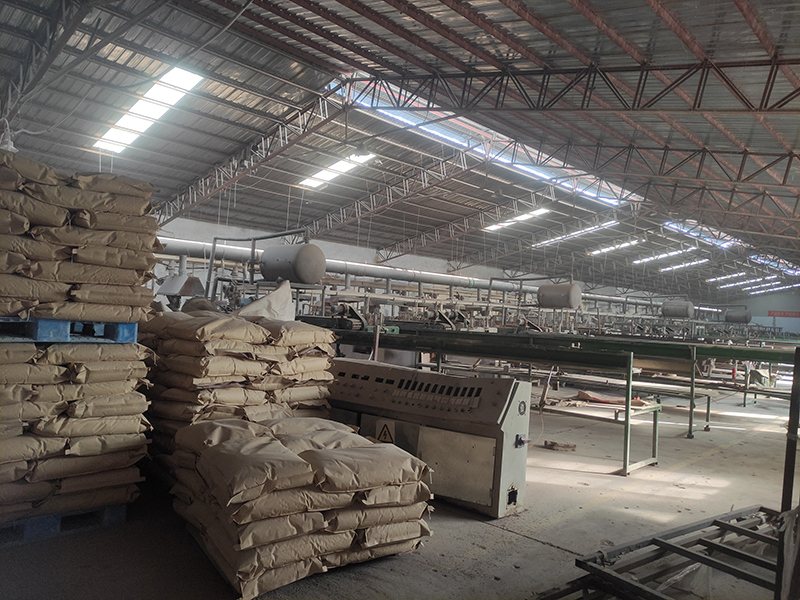
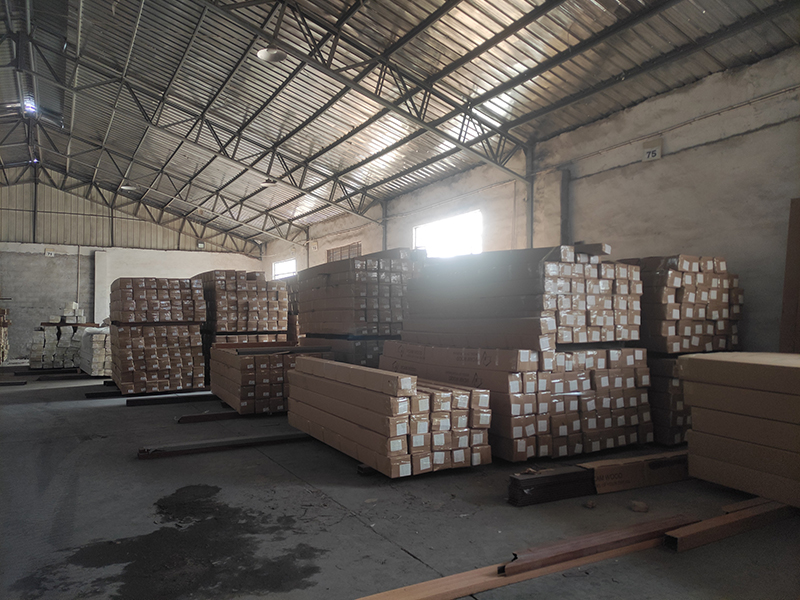
Linyi Rongsen Decoration Material Co., Ltd. is located in Linyi, Shandong Province, China. Linyi is known as the "Logistics Capital of China" and is strategically located near major maritime shipping gateways. This positioning provides our international partners with seamless, direct domestic freight networks that lower overland transport costs and optimize delivery times to Qingdao and Lianyungang ports.
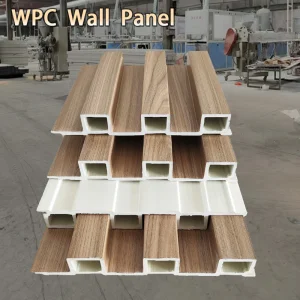
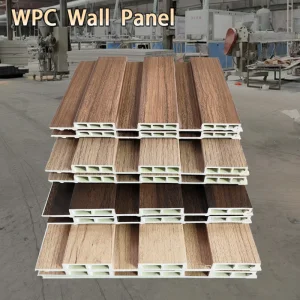
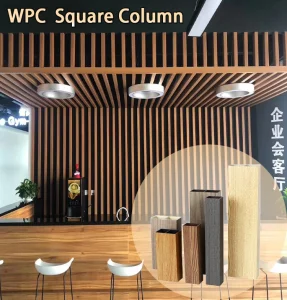
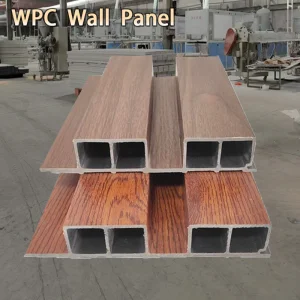
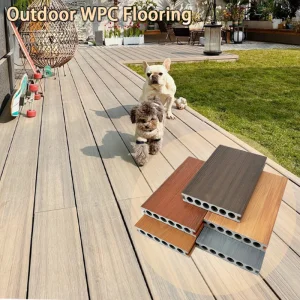
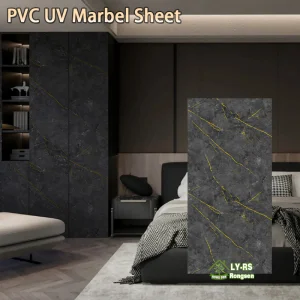
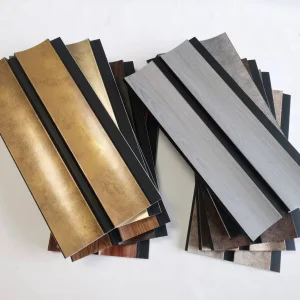
At Linyi Rongsen, our company profile is built on two fundamental principles: integrity and quality first. These principles guide our engineering team, quality inspectors, and customer service staff. We offer a diverse product catalog, including PVC UV marble panels, PVC embossed rock panels, 3D printed backdrops, PS wall panels, WPC interior cladding, and PU stone wall panels. Our rich experience in foreign trade exports equips us with the knowledge needed to handle the complex regulatory requirements of international borders, helping to ensure smooth customs clearances and predictable lead times.
To select the correct material for a project, it is essential to understand the unique characteristics of each substrate:
The following technical comparison highlights the mechanical and chemical differences between these architectural panels:
| Material Core Type | Typical Density | Water Absorption (24h) | Flame Retardancy Class | Surface Curing Process |
|---|---|---|---|---|
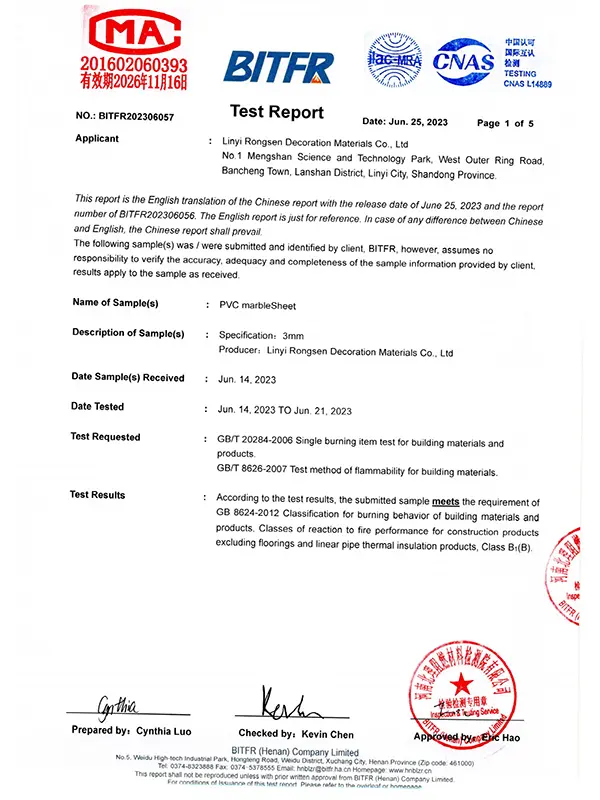
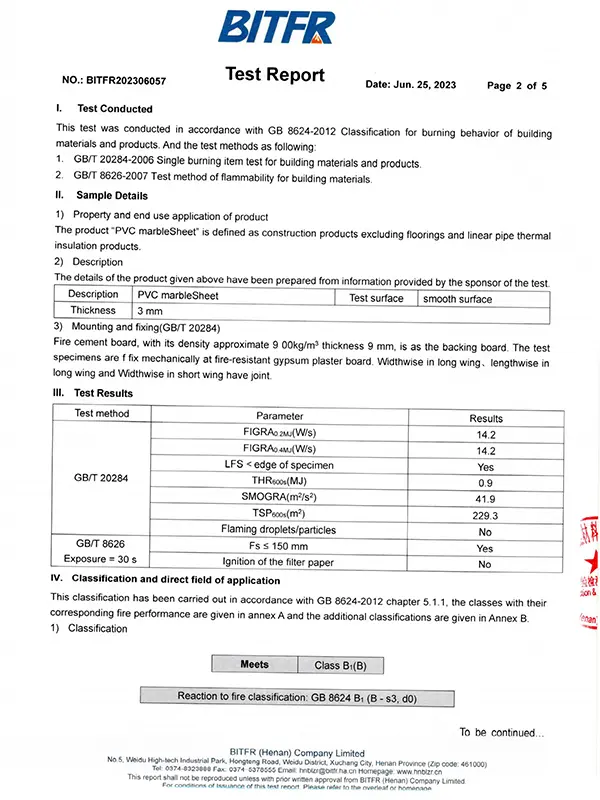
| PVC UV Marble Board (SPC) | 1.9 - 2.1 g/cm³ | < 0.1% | Class B1 (GB8624-2012) | Dual-coat High Gloss UV Curing |
| Wood Plastic Composite (WPC) | 0.8 - 0.95 g/cm³ | < 1.5% | Class B2 (Class B1 customizable) | Extruded Film / Thermal Lamination |
| Polyurethane (PU) Stone | 0.22 - 0.28 g/cm³ | < 0.5% (Closed-Cell) | Class B2 | In-mold Hard-coat Weatherproof Polyurea |
| Polystyrene (PS) Panels | 0.35 - 0.50 g/cm³ | < 0.2% | Class B2 | Hot Stamping Foil Transfer |
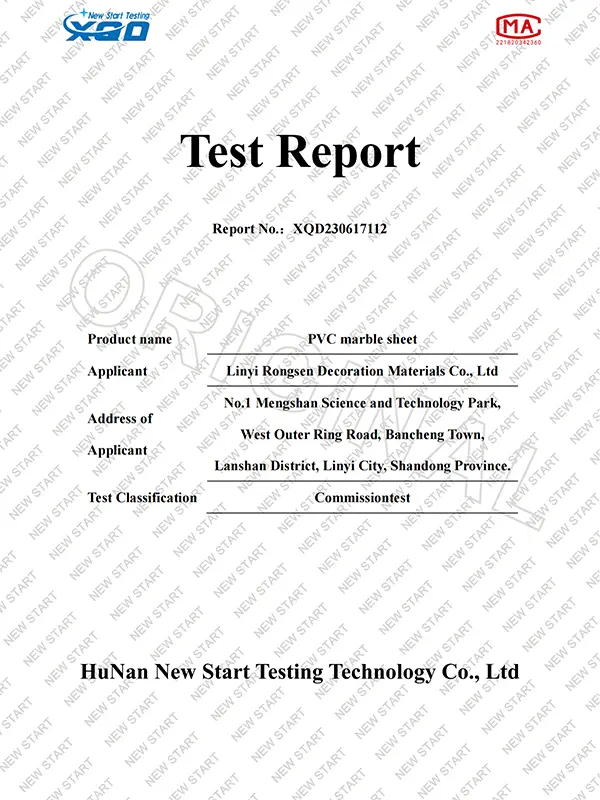
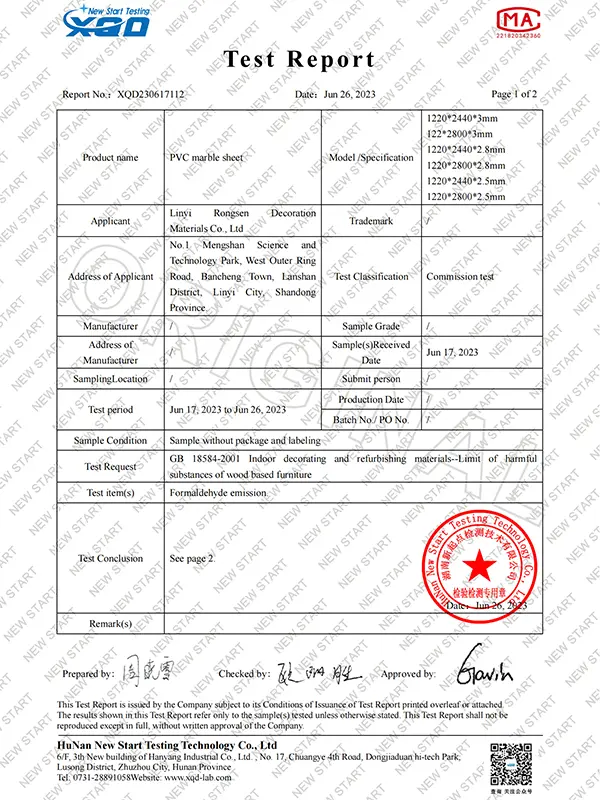
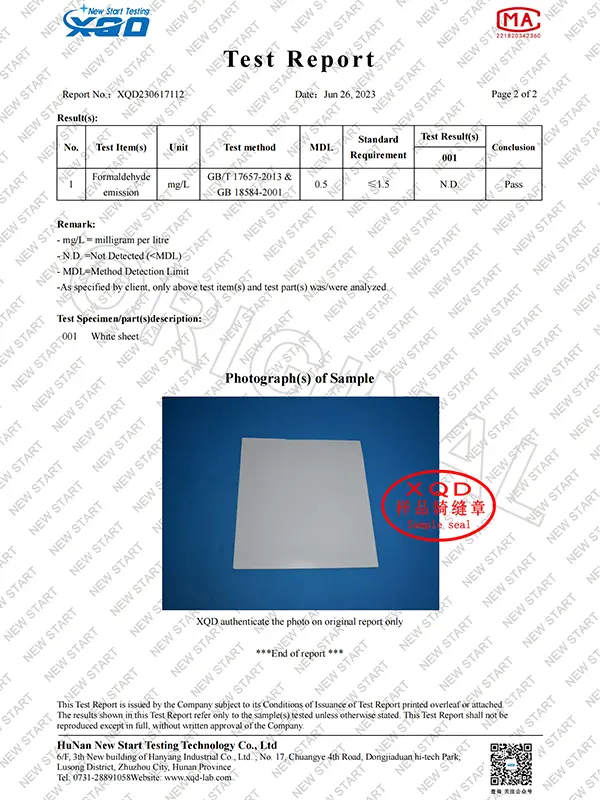
To meet the expectations of global commercial markets, Linyi Rongsen implements a multi-stage quality control process. Panels are checked for density profile consistency, surface finish uniformity, and laminate adhesion strength at multiple points during production. Our manufacturing processes are designed to align with major international quality and environmental standards:
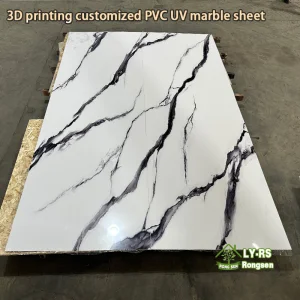
While standard PVC marble sheets rely on a gravure-printed transfer film that can look flat, 3D printed UV panels use digital inkjet technology to build dimensional textures. This process deposits specialized photopolymer resins to replicate both the visual patterns and the physical textures of natural stone or wood, while a dual-layer UV coating provides enhanced scratch and fade resistance.
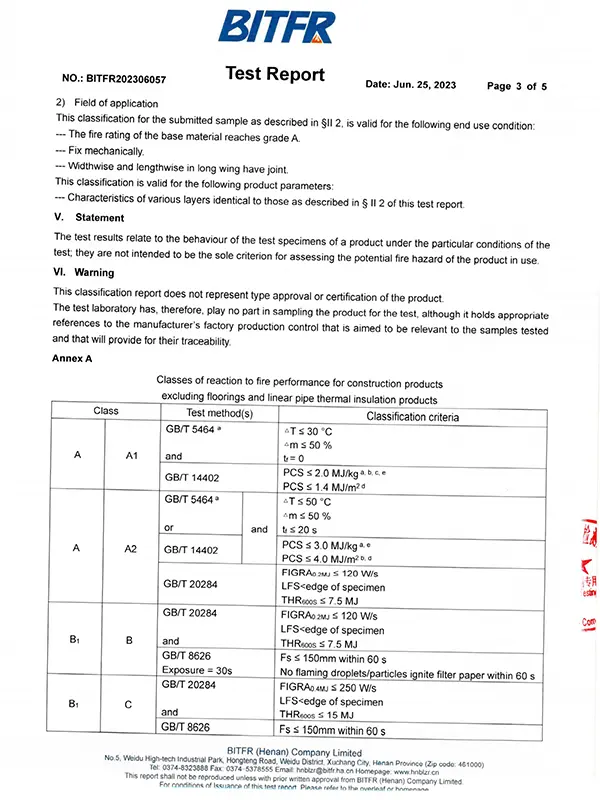
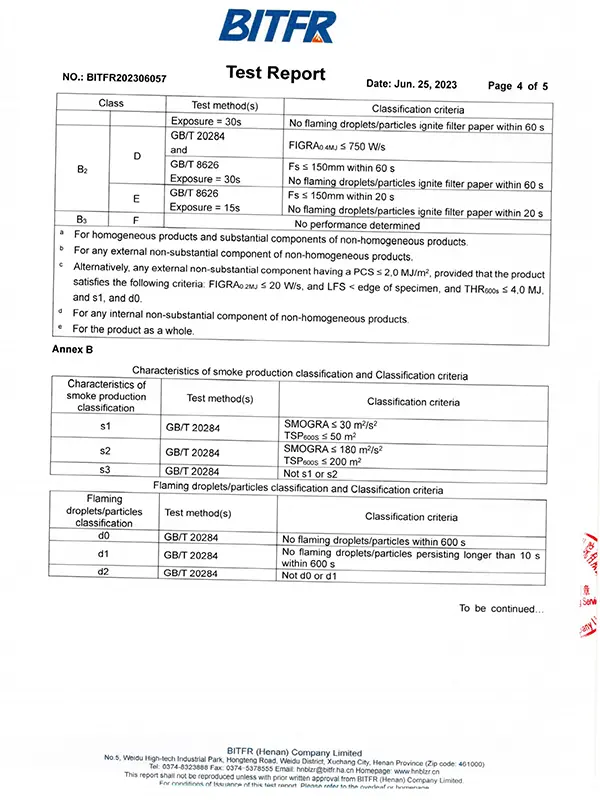
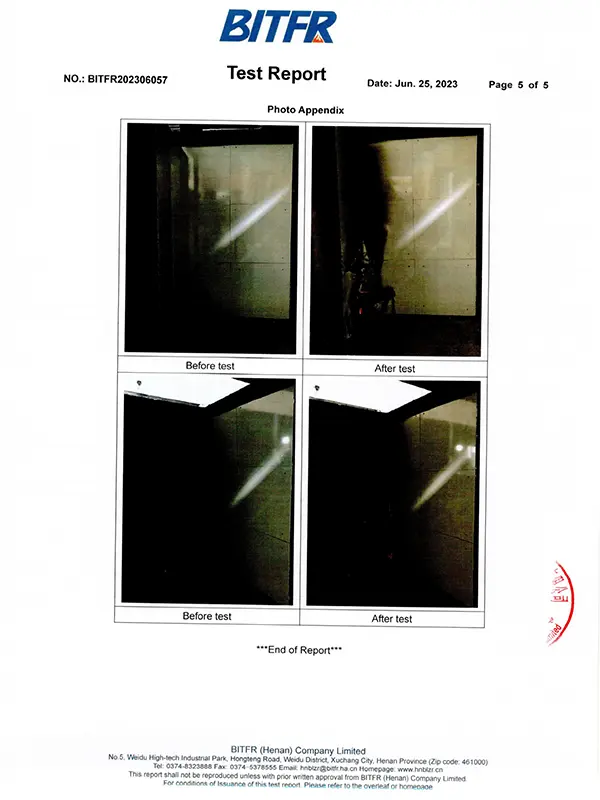
Our PVC UV panels and SPC sheets contain high ratios of calcium carbonate, enabling them to achieve a Class B1 fire rating (national standard GB8624-2012). This classification indicates that the panels are difficult to ignite, contribute minimally to fire spread, and extinguish quickly once the flame source is removed.
Because our composite substrates are non-porous and free of organic fibers, they have a water absorption rate close to zero. Unlike MDF or plywood, these panels will not swell, warp, or support mold growth, making them suitable for bathrooms, kitchens, and tropical climates.
For standard 1220x2440mm sheets with a thickness of 3mm, a 20ft container can hold approximately 1000 to 1200 pieces (distributed across 8 to 10 reinforced pallets), depending on country-specific port weight limits. We use heavy-duty wood packaging and secure strapping to prevent shifting during transit.
Yes. We work closely with architects and distributors to develop custom patterns, finishes, dimensions, and thicknesses. Please provide high-resolution digital files or physical samples, and our engineering team can produce matching prototypes for approval.
Explore our specialized range of high-definition UV prints, exterior paneling, and customizable interior wall cladding options.
Linyi Rongsen Decoration Material Co., Ltd.
Our strategically located facility in Linyi connects your project to high-capacity freight networks, facilitating fast, reliable delivery to international destinations.
Address: 200 meters east of the intersection of Jinluo 4th Road and Xincheng 2nd Road in Jinluo Industrial Park, Bancheng Town, Lanshan District, Linyi City, Shandong Province, China
Hotlines:
+86 17861612516
+86 19715396916
Email Contacts:
[email protected]
[email protected]
 Rongsen